
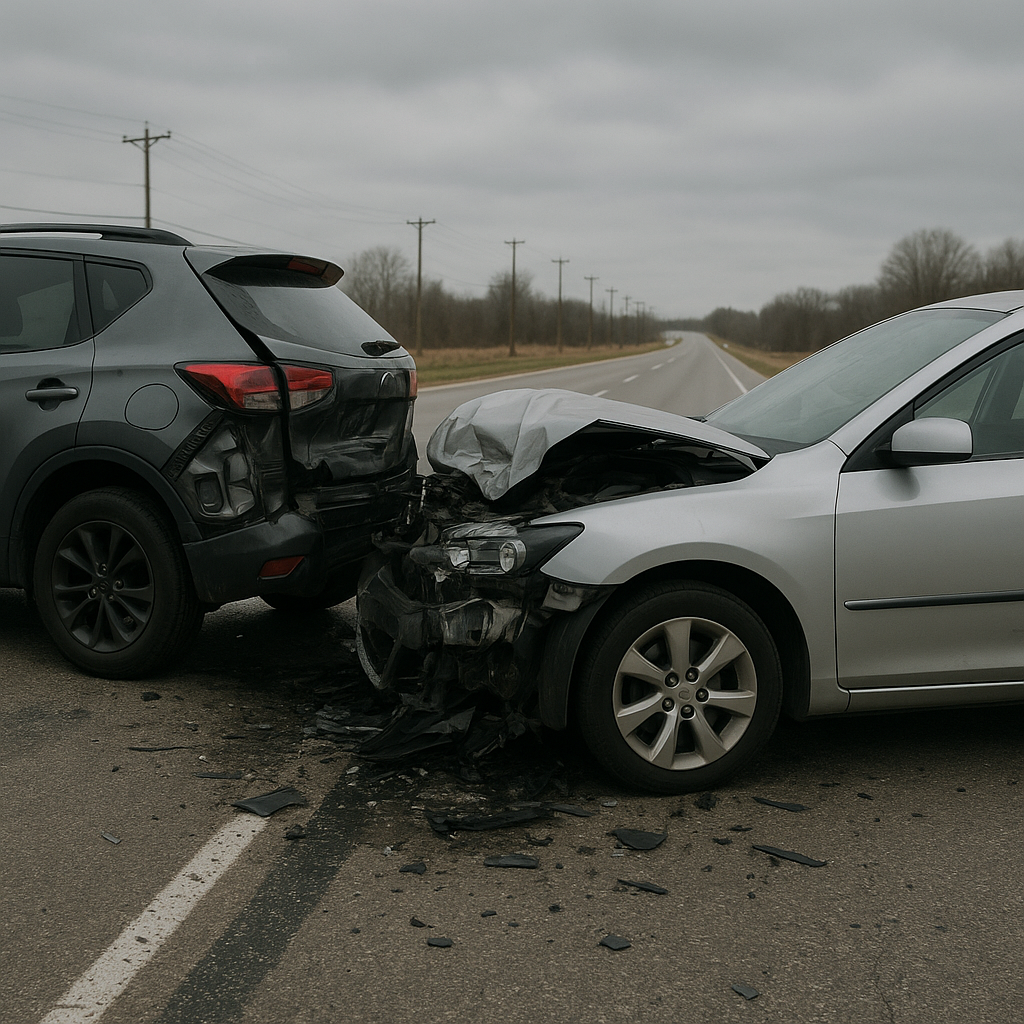
Why Do I Feel Like Another Crash Will Happen?
Why This Question Is Common After Severe Accidents
Anyone who has experienced a serious accident—whether in a car, on a bike, or even as a pedestrian—can attest to the sudden, powerful emotions that surface in the aftermath. For many, the world feels changed. The question, “Why do I feel like another crash will happen?” frequently comes up as survivors try to make sense of their worries and unease. This sensation is remarkably common.
Right after an accident, daily routines are disrupted. Individuals might find themselves avoiding certain roads, flinching at the sound of tires screeching, or constantly scanning for danger. It’s natural for minds and bodies to react acutely to reminders of the event. Many feel uncertain about returning to normal activities or find it difficult to trust that lightning won’t strike twice. This reaction is often shared by those who witnessed serious accidents, not just those directly involved.
As people talk to friends, family, and professionals, it becomes clear this question is a point of concern and conversation. It’s rooted in a real sense of vulnerability and—often silently—shared across various communities impacted by severe incidents.
Clear Neutral Explanation
The feeling that “another crash will happen” has understandable roots in how the human mind and body respond to trauma. After an impactful event, the brain’s primary job is to protect from future harm. It naturally becomes more alert to warning signals—this is sometimes referred to as hypervigilance. The nervous system, conditioned by a sudden threat, can stay on high alert for some time.
This state is not an unusual response. When the body experiences distress, stress hormones surge. They remain elevated, even after immediate danger passes. Memories of the crash are stored in ways that keep the details close at hand, making similar situations or sensory cues (like sounds, smells, or sights from the accident) seem risky. The mind, aiming to anticipate and avoid further harm, may overestimate the likelihood of events repeating.
Media and personal stories can influence this tendency, especially when headlines or conversations feature accidents or near-misses. Over time, the repeated association of certain activities or places with danger reinforces anticipation of another crash.
Feeling on guard, or suspecting another accident will happen, is not a sign of personal weakness or irrationality. It’s an expected pattern, rooted in biology and lived experience.
Helpful Emotional Context
Beyond biology, emotion plays a significant role in shaping these feelings. After a severe accident, feelings of shock, helplessness, or even guilt can linger. These emotions may color everyday experiences, creating a sense of fragility in ordinary circumstances. Ordinary activities—commuting, walking, or cycling—may seem oversaturated with risk.
For some, this is tied to a loss of innocence or safety; things that felt harmless now seem threatening. Trust in one’s own ability to navigate the world can be shaken. The mind may overcompensate by scanning for potential threats, seeking reassurance that control can be regained.
Individual temperament and personal history also influence how deeply these feelings are experienced. Those who have previously dealt with loss or trauma can be especially sensitive to reminders. Emotional responses can be further complicated by social expectations: people may feel pressured to “move on” when, internally, worry persists. This contrast often makes the experience of repeating fear feel isolating, even though it is highly common.
Common Misconceptions
One widespread misconception is that these feelings mean another crash is truly more likely. In reality, vigilance and caution often lead to safer behaviors. The sensation of imminent danger is more a reflection of your body’s heightened alertness than a reliable predictor of actual increased risk.
Some may believe only those who are “weak” or “overly anxious” experience these sensations. In fact, they appear across all age groups and personality types. The severity or nature of the initial accident does not necessarily determine how strong or persistent these feelings will be.
There is also the misunderstanding that these feelings are permanent. In most cases, they diminish as the mind and body gradually recalibrate and restore a sense of everyday safety. It is not unusual for the intensity of these sensations to ebb and flow, often triggered by certain anniversaries, news stories, or reminders, before subsiding again.
Finally, it’s sometimes assumed avoidance is the only response. However, many people find their way back to familiar routines, sometimes at their own pace, often helped by support from others. The way each person experiences and copes with these feelings is unique.
Closing Paragraph
Asking, “Why do I feel like another crash will happen?” is a natural step in processing the aftermath of a severe accident. This feeling reflects a powerful combination of the mind’s drive to protect itself, the emotions stirred by trauma, and common misunderstandings about safety and risk. These sensations, however uncomfortable, are well recognized and widely shared, highlighting both the resilience and vulnerability that can follow life-altering events. Over time, many find that their sense of security begins to return, though the journey is personal to each individual.