
Daily Coping During Long Recovery Periods
Overview of Daily Coping Challenges After Severe Truck Accidents
For individuals recovering from severe truck accidents, the journey to healing extends far beyond initial medical treatment. Long recovery periods often introduce a complex set of day-to-day challenges, transforming ordinary routines into significant hurdles. Physical limitations, emotional fluctuations, and changes in cognitive capacity are just a few aspects that shape one’s experience during this time. Understanding the nature of daily coping during long recovery periods offers valuable insight into the lived realities of those facing protracted rehabilitation.
Following a major incident, the pace of life may slow dramatically. Activities that once required little effort — walking, dressing, eating, socializing — can now demand substantial physical and mental energy. Even the smallest of achievements within these ordinary tasks become meaningful milestones on the path to recovery. However, the unpredictability of symptoms and the possibility of setbacks can also add emotional complexity to daily life.
The daily coping strategies used during long recovery periods reflect both resilience and resourcefulness. Adjustment is rarely linear; most people experience a series of progressions and regressions as abilities return or fluctuate. This ongoing adaptation can be as mentally taxing as it is physically challenging, requiring not only endurance but also flexibility and patience with oneself.
Common Daily Difficulties
Individuals in recovery often report a range of recurring difficulties that shape their routines. Some common challenges include:
– Managing Physical Limitations: Muscle weakness, restricted mobility, and chronic pain can significantly impede basic activities such as bathing, cooking, and moving around the home.
– Dealing with Fatigue: Persistent tiredness—not always relieved by rest—is a widespread concern, often influencing concentration, motivation, and participation in daily tasks.
– Navigating Emotional Changes: Feelings of frustration, anxiety, sadness, and even guilt may surface as individuals face the reality of temporary or long-term impairment.
– Cognitive Hurdles: Memory lapses and reduced attention span are sometimes reported, especially after injuries involving head trauma.
– Reliance on Others: Needing assistance with daily living, whether from family, friends, or caregivers, can affect one’s sense of independence.
– Social Isolation: Reduced mobility or stamina can limit opportunities for face-to-face interaction, leading some to experience loneliness.
– Disrupted Sleep Patterns: Pain, stress, and medications might lead to difficulty falling asleep or staying asleep, compounding other daily challenges.
– Adapting to New Routines: The creation of new schedules around medication, rehabilitation appointments, and rest periods can feel overwhelming.
These challenges often recur, unfold in cycles, and may intensify or ease with changes in health status.
Practical Coping Systems People Often Use
Over time, people tend to incorporate a variety of coping systems into their daily routines, each aiming to address the unique difficulties posed by long-term recovery. Although these approaches differ widely based on personal circumstances and preferences, several common themes can be observed:
– Establishing Predictable Routines: Many find comfort in routines that offer structure and predictability amidst uncertainty. Regular schedules for meals, rest, therapies, and hobbies can help provide a sense of normalcy.
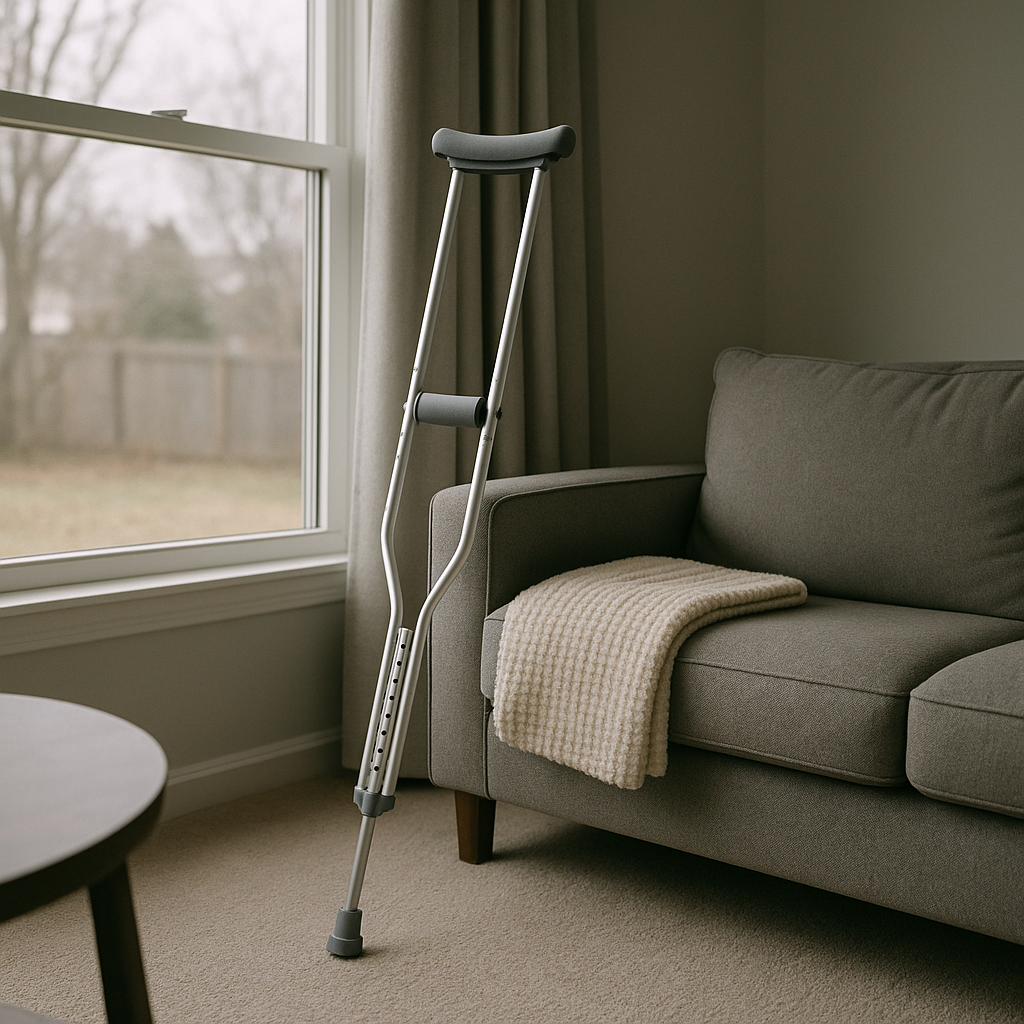
– Adaptive Tools and Home Modifications: Assistive devices such as mobility aids, grab bars, or specialized utensils may be introduced to increase safety and independence, enabling individuals to tackle more tasks on their own.
– Leveraging Support Networks: Engaging both informal (family, friends) and formal (support groups, counseling) networks is a frequent way people navigate the emotional ups and downs of recovery. Sharing experiences with others who understand can deliver comfort and validation.
– Prioritizing Energy Conservation: Techniques for managing limited energy—like scheduling demanding tasks for when energy is highest, or breaking tasks into smaller steps—are commonly used as daily strategies.
– Utilizing Distraction and Engagement: Diversion through hobbies, reading, entertainment, or creative activities helps many people manage pain, stress, or boredom. Staying mentally engaged can offset some of the frustration linked to physical inactivity.
– Mindful Adaptation: Some choose to focus on aspects within their control, embracing acceptance and practicing mindfulness or relaxation strategies to reduce stress and foster patience throughout the process.
– Monitoring Symptoms: Self-monitoring changes in pain, fatigue, mood, or other symptoms allows individuals to adjust their activities and communicate effectively with healthcare providers. This can help in finding patterns and recognizing signs of improvement or the need for additional support.
These coping systems are not static and often evolve with the person’s recovery journey. What works best may shift in response to changing symptoms, personal growth, or new support options.
How Coping Improves Gradually Over Time
The progression of daily coping during long recovery periods is often characterized by gradual, sometimes subtle, improvements. At the outset, coping may take the form of basic survival—managing discomfort, navigating medical regimens, and accepting new physical realities. Over time, individuals often report an increased ability to adapt and regain confidence in their routines.
Physical healing tends to parallel emotional and psychological adjustment. As bodies heal, and as individuals become more adept at using available aids or compensating for limitations, many find a gradual restoration of autonomy. Emotional resilience may increase as problem-solving skills are honed, and as benchmarks of progress—no matter how small—build a sense of achievement.
The normalization of new routines and coping methods is another sign of improvement. What once required conscious effort, such as energy distribution or mood management, often becomes second nature with repeated practice. Social reintegration may also improve, as people grow comfortable seeking support or engaging in new, accessible activities.
Importantly, this process rarely unfolds without obstacles. Setbacks can and do occur—these may involve medical complications, unexpected fatigue, or emotional downturns. Yet, the trajectory for many is one of gradual adaptation, with the cumulative effect of small, daily successes building a foundation for longer-term well-being.
Neutral Closing Paragraph
Daily coping during long recovery periods, particularly following severe injuries, entails unique challenges and ongoing adaptation. While each individual’s experience is distinct, common themes and systems of adjustment emerge as people navigate the realities of extended healing. Over time, consistent application and adjustment of coping methods often lead to positive changes in daily functioning and emotional resilience. Understanding these complexities provides a well-rounded perspective on the lived experience of long-term recovery.