
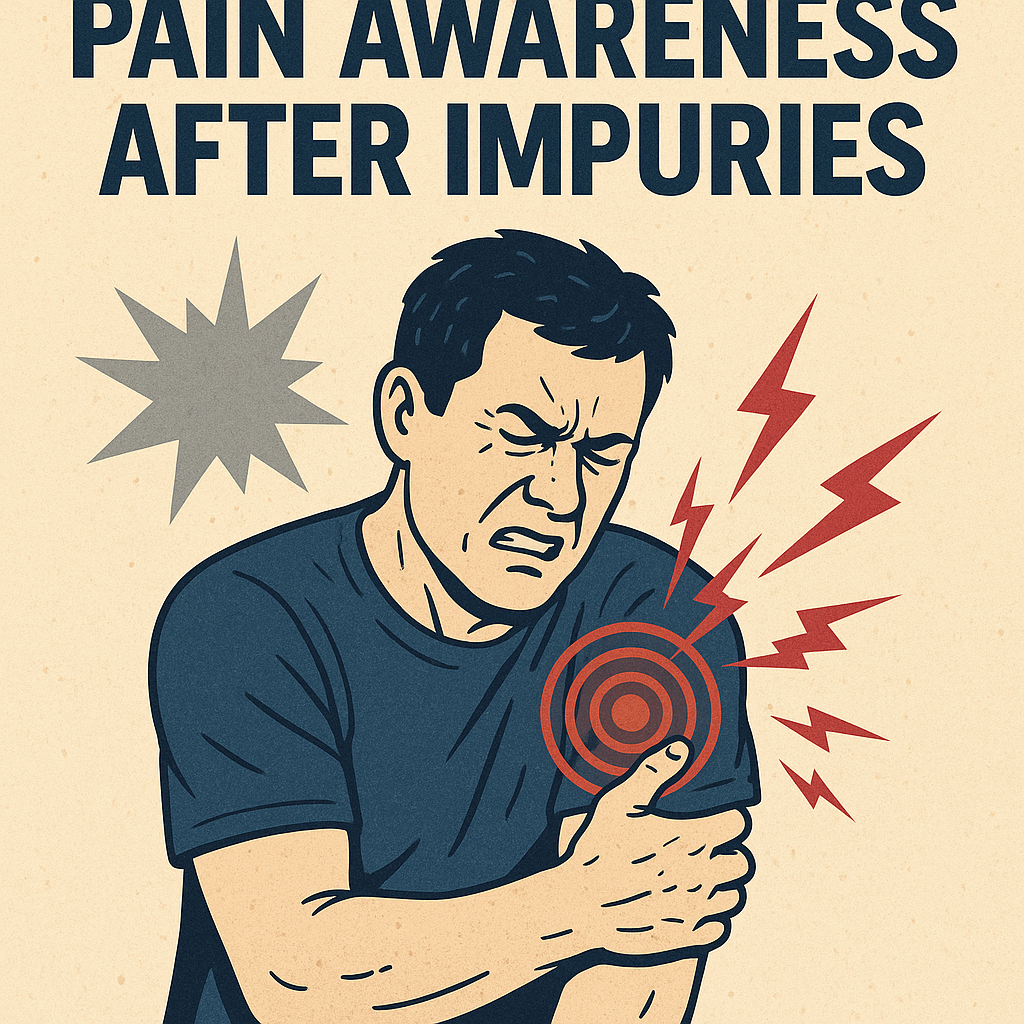
Pain Awareness After Impact Injuries
Impact injuries, such as those caused by truck accidents or falls, often result in sudden and unexpected physical shock. Yet, for many people, recognizing and understanding pain after an impact injury isn’t always straightforward. “Impact injury pain awareness” refers to the process of noticing, interpreting, and tracking pain or discomfort arising after such incidents. This kind of awareness is crucial, as it can influence how individuals respond to accidents and how they monitor their recovery.
Why Symptoms Can Appear After Truck Accidents
Not all pain or discomfort is immediately apparent after a collision involving large vehicles. The body’s natural responses to high-stress events—like a truck accident—can actually delay the onset of noticeable symptoms. During high-impact events, adrenaline and endorphins surge through the body, temporarily masking pain signals. This phenomenon helps people cope with the immediate threat or shock and can result in a delayed awareness of underlying issues.
Additionally, the force involved in truck accidents can affect many parts of the body simultaneously. Even when the initial pain seems minor or entirely absent, the effects of the impact can begin to manifest hours or even days later. Swelling, tissue irritation, and other responses may develop gradually, producing symptoms long after the initial incident.
Common Symptom Patterns
After experiencing an impact injury, people may notice a broad range of symptom patterns. It’s common for some signs to be subtle at first and only become pronounced over time. Here are examples of what individuals might become aware of after an impact:
– Generalized soreness: Aching muscles and stiffness are frequently reported, especially in areas subjected to direct impact or sudden movement.
– Delayed bruising: Discoloration and tenderness may appear hours or even days after the accident.
– Headaches: These could emerge after head or neck involvement, sometimes starting mild and intensifying later.
– Neck and back discomfort: Stiffness, pain, or muscle tightness in these areas can start subtly before becoming more noticeable.
– Unusual fatigue: Some individuals feel unusually tired, which can signal the body’s response to physical trauma.
It’s important to emphasize that these are simply patterns observed and not an exhaustive or diagnostic list.
Why Symptoms Can Change Over Time
Pain and other symptoms related to impact injuries often change as time passes. Understanding why this occurs helps promote better “impact injury pain awareness”.
The Body’s Healing Response
In the hours and days following an accident, the body works to repair damaged tissues. Swelling (inflammation) reaches its peak after the initial trauma, sometimes delaying the recognition of underlying discomfort. As inflammation subsides, new sensations might become noticeable.
Shifting Attention
Directly after an accident, many people focus on the most immediate or disruptive pain. Over time, as the body settles, subtler symptoms may rise to attention. Sometimes, as one area begins to feel better, other areas of discomfort (previously overlooked) come to the forefront.
Activity Levels
Normal activities, or even minimal movements, can reveal new patterns of pain or discomfort as the days progress. For instance, pain may not surface until a person attempts to stand up, lift an object, or sleep in a certain position.
This evolving symptom landscape is a natural part of the body’s adjustment and repair processes.
When People Typically Start Monitoring Symptoms
People commonly begin tracking their symptoms after experiencing an impact injury once the initial shock wears off. This often happens for several reasons:
– Delayed onset of pain: As mentioned, many realize later that they have new or worsening discomfort after the adrenaline fades.
– Increasing discomfort: If an ache or pain grows in intensity rather than fading, this prompts individuals to pay closer attention.
– Daily activity disruptions: Difficulty performing routine tasks, such as walking, dressing, or sleeping, makes people more aware of their bodies.
– Advice from others: Friends, family, or others who have experienced similar incidents may suggest monitoring symptoms, prompting more awareness.
People vary in how soon and how closely they notice their symptoms. Some may start tracking right after the accident, making note of even minor twinges, while others only become attentive if symptoms persist or change over several days. For individuals involved in more severe incidents, such as truck accidents, increased vigilance is common given the potential for underlying issues.
Neutral Closing Paragraph
Impact injury pain awareness is a vital aspect of understanding how the body reacts after traumatic events like truck accidents. Monitoring how symptoms appear, change, and develop encourages a more informed outlook on personal well-being. Acknowledging these patterns does not replace professional evaluation, but it does foster a greater sense of self-awareness and safety after experiencing such incidents.