
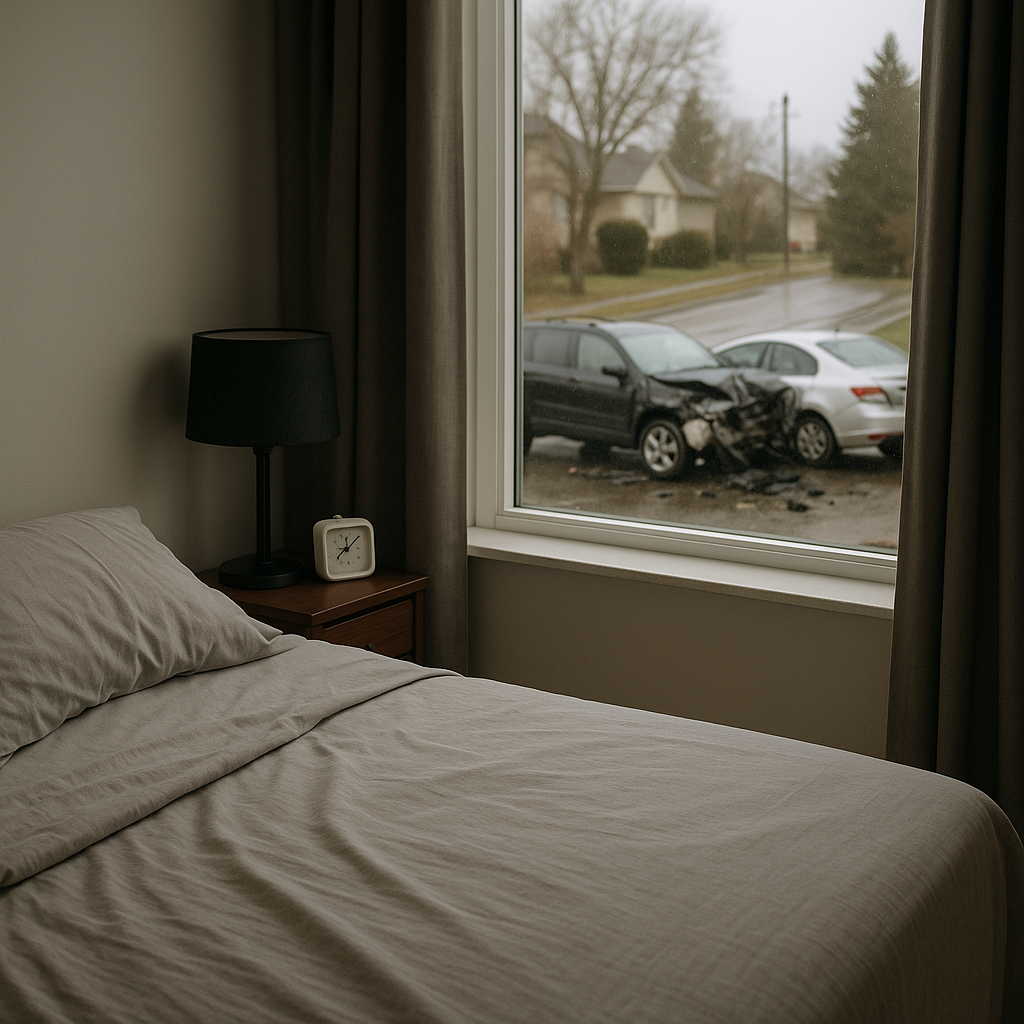
How Partners Experience Sleep Disruption After Crashes
When a person is involved in a car crash or similar traumatic accident, the effects often ripple far beyond physical injuries or insurance claims. In many relationships, both the individual directly involved in the crash and their partner may experience significant changes in their routines, emotional states, and sleep patterns. This article explores the phenomenon of “partner sleep disruption crash,” detailing the emotional and physiological responses partners undergo, and how these responses shape their nights and days during recovery.
Overview of Stress and Sleep Disruption After Trauma
Traumatic events such as car crashes can cause a fundamental shift in how people feel both physically and emotionally. Heightened stress responses are common, not just for the person involved in the incident, but also for those close to them—most notably, their partners. The uncertainty of recovery, the worry over potential long-lasting effects, and the practical challenges of caregiving all contribute to elevated stress.
This underlying stress frequently manifests as sleep disruption. Research into the impact of trauma on families and partners has shown that sleep problems—difficulty falling asleep, staying asleep, or waking too early—are common post-crash. Partners, even if uninjured themselves, may share in this struggle. They might wake up frequently to check on their loved one, experience nightmares about the event, or simply find themselves tossing and turning as their minds rehash the crash and its consequences.
The nature of trauma means these symptoms aren’t just tied to the days immediately following the crash. For some, the initial shock may fade, but subtle anxieties and vigilance can linger, influencing long-term sleep patterns and overall quality of life.
Common Sleep-Related Issues People Report
When examining “partner sleep disruption crash” stories, some recurring sleep problems emerge:
1. Insomnia: Partners may struggle to fall asleep even when they’re exhausted. Mental replay of the accident, future uncertainties, or listening for signs that their loved one needs help can prevent the mind from relaxing.
2. Frequent Night Wakings: Some partners find themselves waking multiple times each night. This may be due to the partner’s physical restlessness, pain, or the need to assist with medication or repositioning. Nightmares or anxious thoughts can also play a role.
3. Light, Disrupted Sleep: Even if sleep occurs, it may not be restorative. Partners often remain in a lighter stage of sleep, ready to respond to any noise or call for help.
4. Mismatched Sleep Schedules: The person recovering may rest at unusual times, take frequent naps, or struggle with pain, leading to irregular sleep patterns for both people in the relationship.
5. Sleep Environment Disturbances: New medical equipment, changed bedtime routines, or heightened emotional tension can make the shared sleep environment less restful.
Each scenario is unique—factors such as the severity of the crash, extent of injuries, and psychological responses all influence the specific sleep challenges a partner might face.
Stress Cycle Effects on Energy and Focus
Persistent sleep disruption doesn’t just make partners tired in the moment—it can set in motion a cycle that further diminishes well-being. Poor sleep quality has been linked to reduced energy levels, impaired focus, mood changes, and higher irritability. These effects make it more difficult for partners to support their loved one or manage daily responsibilities such as work or childcare.
The stress and fatigue may even create strain in the relationship, as both partners try to process their own experiences while remaining attentive to the other’s needs. Vigilance at night can morph into exhaustion during the day, feeding back into anxieties about whether one is doing “enough” to care for their partner. Over time, this stress loop can hinder both recovery and the eventual return to normal life.
How Sleep Patterns Evolve During Recovery
Recovering from a crash is rarely a straightforward process, and sleep patterns can shift markedly throughout each phase of healing—both for the individual involved and their partner.
Acute Phase (First Days to Weeks):
Immediately after the crash, it’s common for sleep disruptions to peak. Partners might be on high alert, frequently checking on vital signs, pain levels, or emotional wellbeing. Unpredictable needs during the night are typical, making long stretches of sleep rare.
Subacute Phase (Weeks to Months):
As the most pressing physical and emotional needs begin to stabilize, some partners may notice slight improvements in sleep, but others experience continued disturbances. At this stage, it is not unusual for underlying anxieties or unresolved emotions about the crash to surface more clearly, sometimes in the form of nightmares or persistent worry.
Long-Term Recovery:
Over time, many partners do find their sleep patterns slowly returning to baseline, especially as the person who was injured regains independence or as routines are re-established. However, some may continue with altered sleep even months later, sensing a shift in their own sleep needs and patterns compared to before the crash. These lingering changes often reflect the deep emotional footprint left by the traumatic event.
Partners may gradually adjust strategies—creating new bedtime routines, taking turns providing care at night, or seeking outside support for respite. Open communication and incremental changes can play a role in re-establishing healthier patterns, fostering patience and understanding as both individuals adapt.
Neutral Closing Paragraph
Experiencing sleep disruption as a partner after a crash is a deeply individual, complex process shaped by emotional, physical, and relational factors. It often involves a period of adaptation, as both partners come to terms with changed routines and heightened stress. While the road back to restful sleep can be slow, understanding these common patterns may help partners feel less alone and more prepared for the journey of recovery. Together, couples can find new ways to nurture resilience and well-being—one night at a time.