
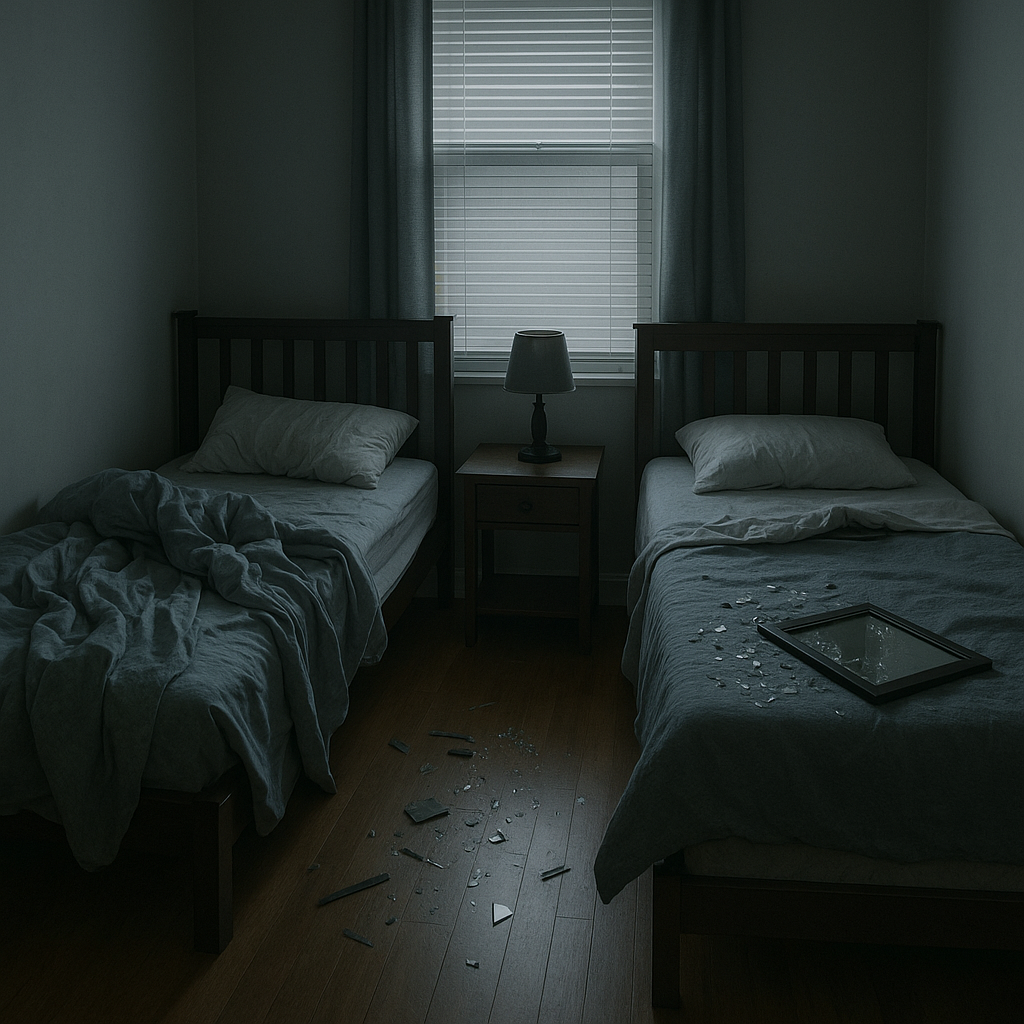
Sleep Disruption in Shared Bedrooms After Accidents
After an accident, returning to everyday routines can present unexpected obstacles—especially when it comes to sleep. For those who sleep in shared bedrooms, the journey back to restful nights may be especially complex. “Shared bedroom sleep disruption” is a real and prevalent challenge for individuals recovering from trauma, who might find that the rhythms and boundaries of sleep are significantly altered. This article explores the connection between traumatic events, disrupted sleep, and the unique considerations for those who share their sleeping space.
Overview of Stress and Sleep Disruption After Trauma
Traumatic experiences, such as accidents, profoundly affect the mind and body. Sleep, one of our most vital modes of recovery, is particularly sensitive to stress signals. The aftermath of trauma often triggers a surge in stress hormones like cortisol and adrenaline, both of which can make it difficult to relax and maintain healthy sleep cycles.
For those in shared bedrooms, the effects of disrupted sleep can feel magnified. Personal boundaries are more fluid, and partners or roommates may inadvertently influence each other’s sleep.
For instance, heightened sensitivity to noises, light, or movement can become sources of heightened stress. The anxiety stemming from the accident, combined with these environmental factors, often makes it more difficult for everyone in the room to get a good night’s rest.
Stress after an accident commonly manifests in different ways:
– Physical symptoms: Restlessness, increased heart rate, difficulty unwinding.
– Emotional responses: Anxiety, fear, or sadness that surface most acutely at bedtime.
– Cognitive concerns: Persistent worry or intrusive thoughts as you settle in for the night.
Sleep is supposed to be restorative, but in the wake of trauma, the bedroom can start to feel unsettling—especially if that space is shared. Understanding the reasons behind these changes is the first step toward finding more restful nights.
Common Sleep-Related Issues People Report
In the context of shared bedrooms, sleep disruption takes on unique characteristics. People recovering from accidents often share several difficulties, including:
– Difficulty Falling Asleep: The mind may replay the accident, or one may worry about safety, keeping both themselves and their roommates awake.
– Frequent Night Wakings: Disturbed sleep becomes common, sometimes triggered by nightmares or sudden movements. Shared spaces mean that one person waking up can also disturb the other.
– Nightmares or Flashbacks: Trauma can lead to vivid dreams or flashbacks that interrupt sleep, sometimes startling the person awake. Their reactions—crying out, moving suddenly—may also disturb others in the room.
– Heightened Sensory Sensitivity: Sounds, movements, or even another person’s breathing may feel overwhelming, disrupting the fragile process of falling or staying asleep.
– Daytime Sleepiness: Interrupted nighttime rest can lead to drowsiness during the day, making it harder to focus, attend school or work, and meet daily responsibilities.
These issues rarely affect just one individual in a shared bedroom scenario. When one person struggles with sleep, it often creates a ripple effect, influencing the restfulness of others in the same space.
Stress Cycle Effects on Energy and Focus
Stress can create a cycle that perpetuates sleep disruption, creating challenges in energy levels and concentration. After an accident, the body’s stress response—originally intended for short-term survival—may stay active long after the initial danger has passed. This persistent arousal keeps the brain on high alert, making genuine relaxation more difficult.
As a result:
– Fatigue begets more stress: Tiredness increases irritability and can heighten sensitivity to stressors, both in waking life and during attempts to sleep.
– Reduced focus and clarity: Lack of restful sleep makes it challenging to maintain attention during the day, which can worsen anxiety and cause frustration.
– Impact on relationships: Tiredness can lead to misunderstandings or conflicts with roommates or family members, sometimes intensifying the sense of isolation or tension.
Shared bedroom sleep disruption can therefore become self-perpetuating, with each restless night adding fuel to the ongoing cycle of stress and exhaustion.
How Sleep Patterns Evolve During Recovery
Recovery from trauma is a gradual process, and so is the return to stable sleep patterns. Initially, sleep may be highly fragmented, characterized by difficulty falling asleep, staying asleep, or feeling refreshed in the morning. Over time, as stress levels decrease and the mind processes the traumatic event, sleep quality can gradually improve.
For those in shared bedrooms, certain patterns often emerge:
– Increased Communication: Open discussions between roommates or partners about sleep needs and boundaries can help reduce misunderstandings and foster emotional support.
– Adapted Routines: Recovery may necessitate changes in evening routines, such as shifting bedtime, using soothing activities before sleep, or finding ways to limit disturbances (like agreeing on a quiet period).
– Greater Self-Awareness: Individuals may become more attuned to sleep cues, recognizing early signs of exhaustion or anxiety and responding with appropriate coping strategies.
– Gradual Reintroduction of Normal Sleep: As stress and trauma symptoms diminish with time, the need for extra sensitivity to environmental factors often lessens. Sleep becomes less interrupted, and resilience to disturbances increases.
It’s important for everyone in a shared bedroom to recognize the evolving nature of recovery. Patience—with oneself and others—can support the journey toward restful nights.
Conclusion
Sleep disruption after an accident can be distressing, especially when experienced within the dynamics of a shared bedroom. The added complexities of environmental sensitivity and the interplay of sleep needs make recovery a shared endeavor. While every person’s experience is unique, understanding the common patterns and challenges associated with shared bedroom sleep disruption can help normalize the journey to recovery. Over time, many individuals do find that their sleep patterns—and lives—gradually stabilize as healing progresses. Patience, communication, and mutual support are key, helping everyone in the shared space move forward, one night at a time.