
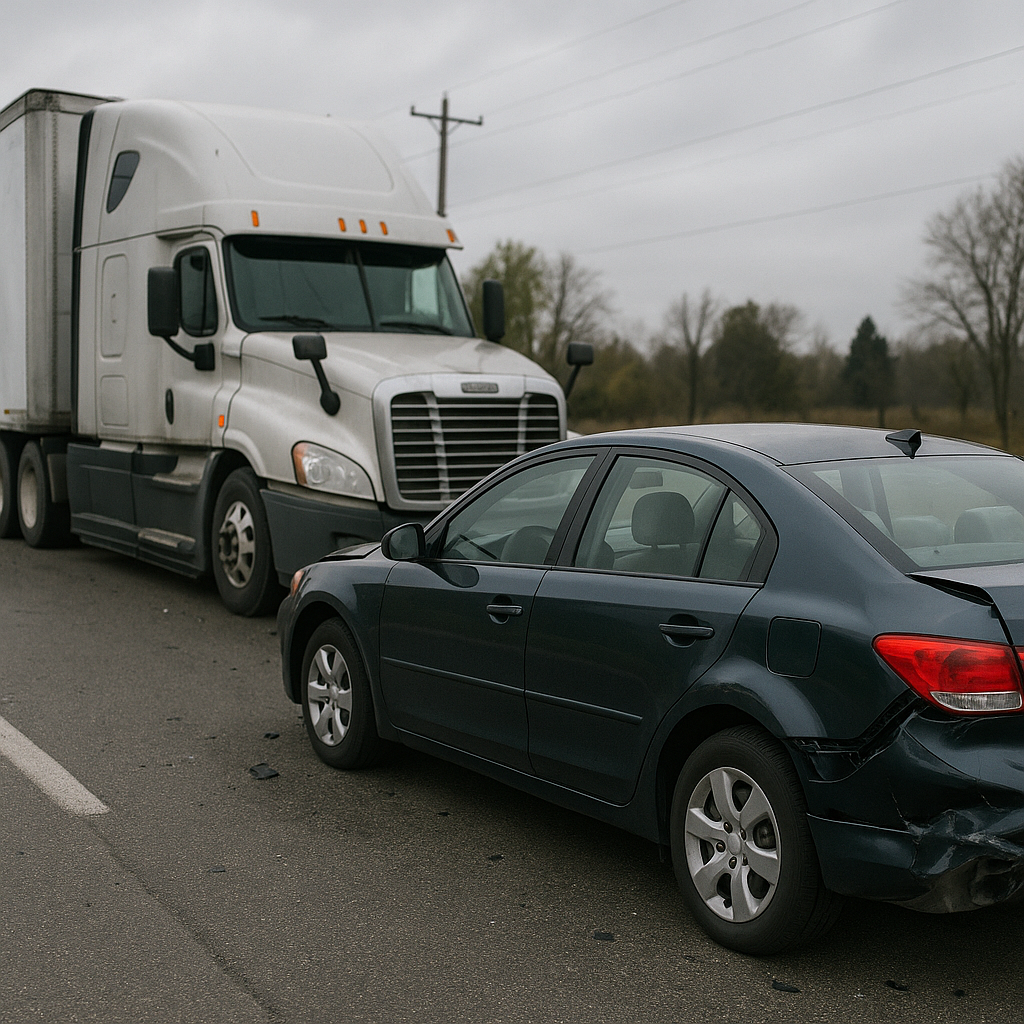
Teen Stress After a Family Truck Accident
Coping with stress is a normal part of adolescence, but when a traumatic event such as a family truck accident occurs, teens can face unique challenges. These accidents often introduce sudden changes and stressors that shake the familiar foundation of home life. Understanding how teens experience and respond to this type of trauma, as well as what families can do to support each other, can lay the groundwork for healthier recovery and long-term resilience.
Why Truck Accidents Affect Entire Households
A family truck accident is rarely just a physical event; it resonates emotionally and psychologically throughout the entire household. For teens, the fallout can be especially intense. Adolescents often look to their families for stability during this period of growth and independence. When a serious accident disrupts daily life, routines, or a family member’s health, the stress can ripple out in unexpected ways.
Teens will likely be affected not only by their own injuries or fears but also by changes in their parents’ or siblings’ well-being. Concerns about the financial burden, changed household roles, and the future can weigh heavily on already stress-prone minds. Even if the family “walks away” physically unharmed, the sense of safety or normalcy can be significantly disturbed.
In addition, the intensity of a truck accident—a large vehicle, potentially severe injuries, and legal or insurance processes—may magnify the perceived threat compared to more minor car accidents. This can further deepen stress responses, making it crucial for families to recognize the collective impact.
Common Family Role Changes
After a family truck accident, changes in household roles and responsibilities are frequent. This adjustment can be particularly difficult for teens, who may already be navigating new expectations at school or with peers.
Increased Responsibility
If a parent or guardian is injured or emotionally distressed, teens may need to help care for younger siblings or take on additional household duties. Some may even feel compelled to become a source of emotional support for parents, which can lead to role confusion—where the teen feels more like a caregiver than a child.
Loss or Limitation of Parental Availability
Parents who are recovering from injuries or experiencing their own emotional distress may be less present than before. This can leave teens feeling isolated or neglected, even if unintentionally. Adolescents might not express their need for support directly, so changes in behavior—like withdrawal or acting out—can sometimes signal distress.
Financial Shifts
Truck accidents can create unforeseen financial challenges, such as lost income or medical expenses. Teens may sense this stress even if it is not openly discussed, leading to worry about college plans, extracurricular activities, or even basic needs. These concerns can make the world feel unpredictable and amplify underlying anxieties.
Understanding that these role changes are common can normalize the experience, but ongoing communication is key so that teens do not bear these burdens in silence.
Communication Challenges Families Face
Open communication is a cornerstone of healing, but after a traumatic event, it is often easier said than done. Both teens and parents may struggle to find the right words to express what they’re feeling, or may fear burdening one another with their worries.
Emotional Guarding
Teens may hesitate to share their true feelings, worried about causing further distress to already-stressed parents. Similarly, parents may try to hide their anxiety or sadness to “stay strong” for their children. However, this well-intentioned silence can create a sense of emotional distance.
Misinterpretation of Behavior
Changes in mood or behavior are sometimes dismissed as “normal teen issues,” such as increased irritability, trouble sleeping, or withdrawal. Yet, these could be significant signs of post-traumatic stress. Adults might overlook these cues without understanding the full context of the accident’s impact.
Disrupted Routines
Disrupted schedules for medical appointments, therapy, or adjusting to new responsibilities can make it difficult to stick to family routines—mealtime conversations, homework support, or shared activities. This lack of structure can unintentionally hinder opportunities for informal, comforting communication.
Social Media and Peer Support
Teens often turn to peers or online communities to cope. While digital support can be helpful, it may also limit direct family dialogue. Encouraging balanced communication—both inside and outside the home—can help teens process their feelings with guidance.
Families may benefit from dedicating time to check in with one another, even in small ways. It’s important to affirm that feeling sad, angry, or worried is normal and that everyone processes trauma differently.
Long-term Emotional Adjustment Patterns
The stress of a family truck accident rarely disappears overnight. The road to adjustment often unfolds over months or even years, with each family member—especially teens—moving through recovery at their own pace.
Initial Shock and Anxiety
Immediately after the accident, a state of shock or heightened anxiety is common. Nightmares, flashbacks, or increased vigilance may occur. Some teens may experience mood swings or even physical symptoms, such as headaches or stomach aches, as their bodies process stress.
Changes in Outlook
Over time, some teens might struggle with academic motivation, lose interest in activities they once enjoyed, or withdraw from friends. Others may become more cautious or anxious about riding in vehicles, or develop preoccupations with themes of safety and loss.
Growth and Resilience
With the right support, many teens show remarkable resilience. They may develop a greater sense of empathy, become more responsible, or learn new coping skills. Experiences can foster open communication and deeper family bonds, though the process is not linear and can involve setbacks.
Signs That More Help May Be Needed
If symptoms such as persistent sadness, anxiety, irritability, or substance use interfere with daily life, professional counseling or mental health support can be invaluable. School counselors, psychologists, or support groups can all play a role in recovery, offering teens a safe space to express themselves.
The Importance of Time
Trauma recovery is highly individual. Some teens adapt quickly, while others need a longer period to regain their sense of security and normalcy. Patience, ongoing support, and gentle encouragement can help guide each family member through their unique healing journey.
Moving Forward Together
Experiencing a family truck accident is a significant, often life-changing event. Recognizing the impact on teens—and on the entire family unit—can help everyone approach the healing process with compassion and patience. While the stress and challenges after such an event are real, families can, over time, rebuild routines, reestablish connections, and foster resilience. By staying attuned to the changes in each member’s thoughts, emotions, and behaviors, families can support one another and gradually rediscover a new sense of normal.