
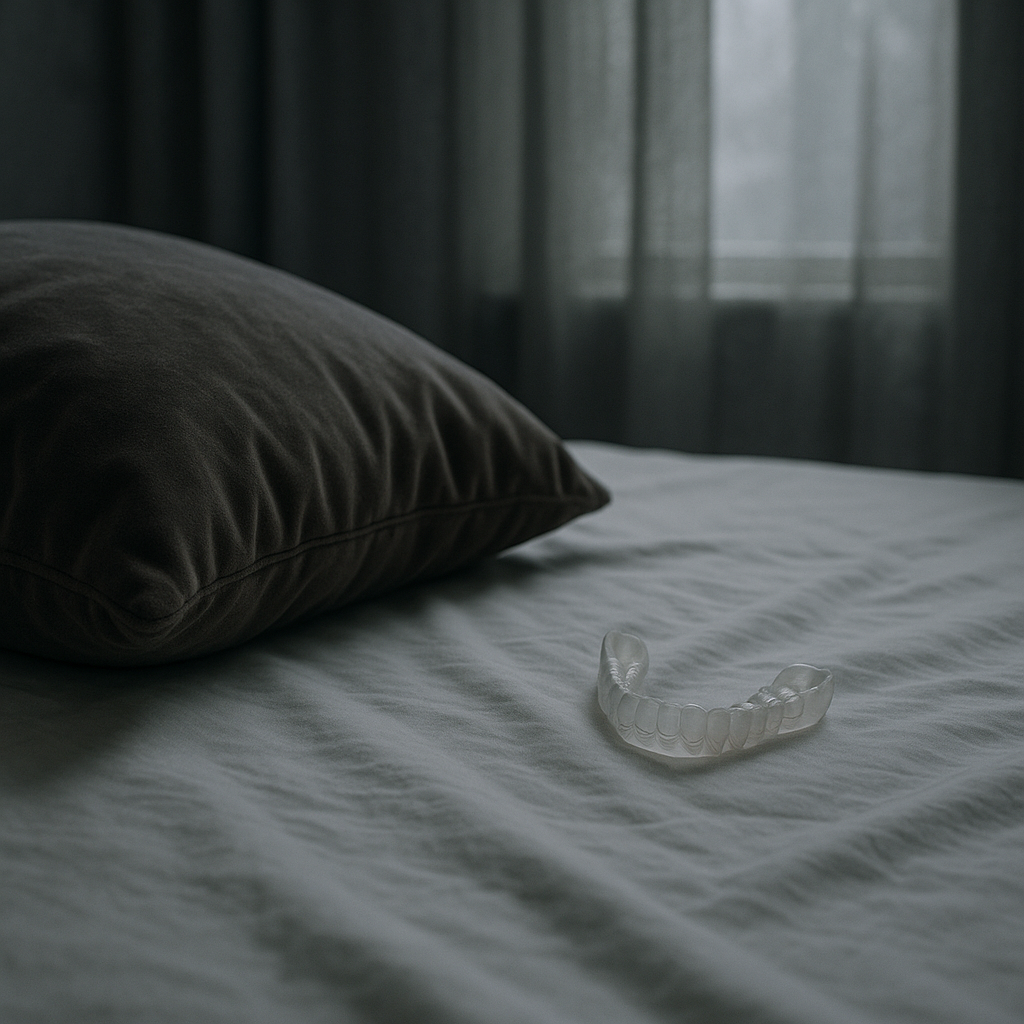
Jaw Clenching at Night After Trauma
Experiencing jaw clenching at night after trauma is a common—but often misunderstood—response to psychological stress. Many individuals notice that, following a distressing event, their sleep becomes fragmented and they wake up with jaw pain or a sense of tightness around their mouth and face. Understanding the intricate connections between trauma, stress, and sleep is crucial for those hoping to navigate this experience with self-awareness and compassion.
Overview of Stress and Sleep Disruption After Trauma
In the aftermath of trauma, the body and mind engage in protective strategies to cope with overwhelming emotions. These strategies can take many forms, with sleep disruption being among the most prevalent responses. The body’s natural alarm system—the stress response—may remain activated long after the immediate threat has passed. As a result, the nervous system operates in a heightened state of alertness, influencing how easily someone falls asleep, the quality of rest, and what happens during sleep.
Jaw clenching, also referred to as “sleep bruxism” in certain contexts, often emerges as an unconscious expression of this tension. While some people may grind their teeth or tense their jaw muscles, others may not realize the behavior until pain or fatigue manifests. Such nighttime activities may be linked to unresolved stress, signaling that both body and mind are still processing the traumatic event.
Common Sleep-Related Issues People Report
After experiencing trauma, sleep rarely feels the same. Individuals commonly report issues ranging from difficulty falling asleep to frequent awakenings or nightmares. Here are some frequently mentioned sleep concerns:
– Insomnia: Inability to fall asleep or stay asleep due to intrusive thoughts or anxiety.
– Nightmares: Vivid dreams that reflect distressing elements of the traumatic event, often leading to nighttime awakenings and a reluctance to return to sleep.
– Restlessness: Physical agitation during sleep, such as tossing, turning, or, notably, jaw clenching.
– Daytime fatigue: Poor quality sleep results in tiredness, irritability, and reduced capacity to cope with daily stressors.
– Tension-related symptoms: Upon waking, individuals may report headaches, jaw soreness, or a feeling of pressure in the temples and cheeks, which can often be traced back to night-time jaw clenching.
These patterns can reinforce the cycle of stress: a difficult night brings a challenging day, which in turn can heighten nighttime tension.
Stress Cycle Effects on Energy and Focus
The link between jaw clenching at night after trauma and daily energy is both direct and significant. Physically, the act of holding the jaw tightly for hours can contribute to muscle strain, fatigue, and even dental issues over time. Mentally, interrupted sleep undermines the mind’s ability to regulate thoughts and emotions, compounding the challenges of trauma recovery.
Here are several ways the stress cycle impacts energy and focus:
– Reduced cognitive clarity: Poor sleep hampers concentration, memory, and decision-making.
– Increased irritability: Physical discomfort, including jaw pain, can make it harder to manage frustration or anxiety during the day.
– Lowered resilience: The body and mind require quality sleep to recharge; without it, stressful situations feel more overwhelming, feeding into a loop of tension.
– Heightened vigilance: The body may remain on high alert even during rest, diminishing true relaxation and perpetuating jaw clenching.
This interplay between physical discomfort and mental fatigue often leads individuals to feel caught in an unending cycle—one in which trauma echoes into daily life through both emotional and physical routes.
How Sleep Patterns Evolve During Recovery
Fortunately, the trajectory of sleep and recovery is not fixed. With time, support, and self-awareness, many people observe changes in how they sleep and how their body manifests stress. Understanding typical stages of sleep pattern evolution during trauma recovery offers reassurance that improvement is possible.
– Initial phase: Sleep is highly disrupted, with pronounced jaw clenching and frequent awakenings. Nights may feel long, and mornings can begin with jaw pain or headaches.
– Adaptation phase: As coping strategies are learned and support systems engaged, some individuals notice a gradual reduction in nighttime tension. They may become more aware of the jaw clenching as it happens, allowing for experimentation with relaxation techniques or gentle stretching before bed.
– Recovery phase: With ongoing adjustment, many experience more restorative sleep. Episodes of jaw clenching become less frequent, and other symptoms—such as headaches and fatigue—fade. The body learns to recognize and respond differently to residual stress, paving the way for better rest.
It is important to note that every recovery journey is unique. Some individuals may continue to notice periods of jaw tension, especially during times of stress or anniversary dates related to the traumatic event. Recognizing progress, however incremental, is an essential part of healing.
Closing Thoughts
Jaw clenching at night after trauma is a signal from the body that stress is still being processed, even as conscious life moves forward. Though it can be uncomfortable and disruptive, it is not a sign of weakness or failure—rather, it is a natural response to extraordinary circumstances. Understanding the connections between trauma, stress, sleep, and the body can cultivate greater self-compassion and patience during recovery. In time, most people find that sleep and daily comfort improve as healing continues.