
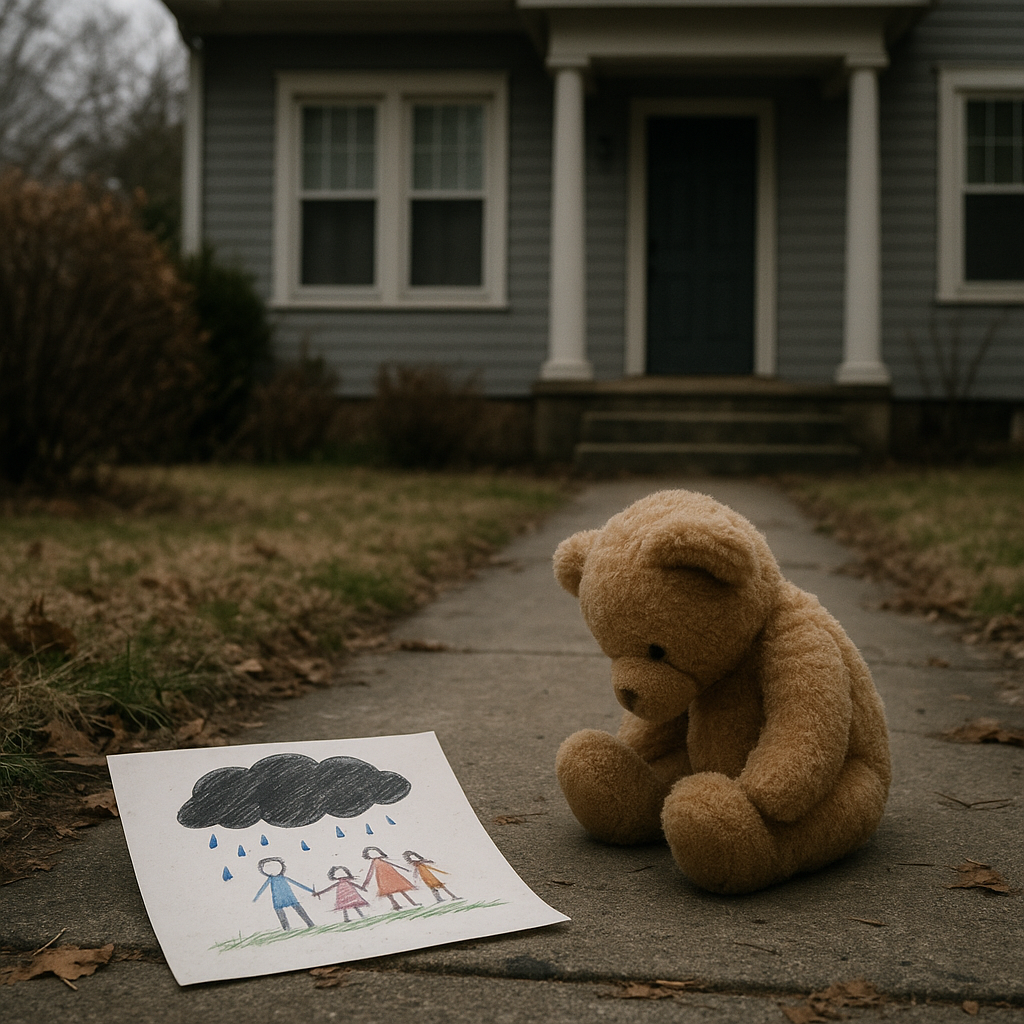
Behavior Changes in Children After Family Trauma
Family trauma can profoundly influence how children think, feel, and interact with the world around them. When a traumatic event occurs—such as a serious truck accident—it doesn’t just affect the individual directly involved. The ripple effects extend to every family member, especially children, who often struggle to make sense of the changes around them. Observing and responding to behavior changes in children after trauma is important for promoting emotional recovery and a sense of stability.
Why Truck Accidents Affect Entire Households
Truck accidents are often sudden and severe, leading to significant physical, emotional, and lifestyle disruptions. When a parent or caregiver is involved in a traumatic incident like this, the consequences can deeply impact the fabric of family life. For children, who depend on routines and emotional cues from adults, any major shift in daily life can feel overwhelming.
After a truck accident, role adjustments may be necessary as the family copes with injury, absence from work, or even grief. These changes often disrupt familiar patterns and sense of security. Children may also sense the stress and anxiety experienced by other family members, even if the accident itself was not witnessed firsthand. Uncertainty about health, finances, or the future can add to a child’s emotional burden, often manifesting as visible behavior changes.
Common Family Role Changes
The aftermath of a traumatic event often necessitates a realignment of responsibilities within the family. When a parent or key caregiver is injured or emotionally affected by a truck accident, children may inadvertently be drawn into new roles. Role changes can be subtle or significant, and their effects depend on a child’s age and personality:
– Older children as helpers: Adolescents may take on more household duties, care for younger siblings, or even act as emotional supporters for adults. While responsibility can foster maturity, too much pressure may lead to stress or resentment.
– Younger children seeking security: Little ones might become more clingy, seeking extra attention, reassurance, or proximity to their caregivers. They may regress in certain behaviors, such as thumb-sucking or bedwetting.
– Changes in family decision-making: In some cases, children may be asked to make choices or voice opinions about family matters that are typically the responsibility of adults. This shift can create anxiety and confusion.
– Shifting relationships: If one parent is less available, children may form stronger bonds with other relatives or feel isolated if support is lacking. Sibling dynamics can also change, as children adjust to new expectations or emotional atmospheres at home.
Recognizing these shifts is important. While new responsibilities are sometimes necessary, children benefit from reassurance that their primary job is to focus on their everyday activities, learning, and play. Maintaining balance can prevent overwhelming stress.
Communication Challenges Families Face
Open communication is a cornerstone of healing after trauma, but it’s not always easy to achieve—especially in the wake of a severe truck accident. Families can face a range of communication obstacles:
– Parental emotional strain: When adults are coping with their own distress, physical injury, or daily stressors, conversations about feelings and changes can be unintentionally minimized or avoided.
– Children’s limited vocabulary: Younger children may not have the words to express what they feel. Instead, their distress might show up in behavior changes—withdrawal, aggression, difficulty sleeping, or changes in eating patterns.
– Fear of burdening others: Both adults and children may avoid discussing difficult emotions or worries, fearing they will add to each other’s stress. This “protective silence” can make children feel alone in their struggles.
– Misunderstandings: Without clear guidance, children may misunderstand what has happened or invent their own explanations, which can increase anxiety and reinforce unhelpful behaviors.
To support children, families can strive to create consistent opportunities for sharing thoughts and emotions, and reassure children that their questions and feelings are valid. Sometimes, outside support from counselors or school professionals can help foster healthy family communication.
Long-Term Emotional Adjustment Patterns
Understanding the longer-term impact of trauma is vital, as not all behavior changes in children resolve quickly. Some common adjustment patterns may emerge over months or even years:
– Avoidance or detachment: Children might withdraw from activities or relationships they used to enjoy. This distancing can be a coping strategy to manage emotional pain or anxiety.
– Hypervigilance and anxiety: Repeated trauma reminders—such as seeing trucks on the road—can trigger heightened fears, sleep disturbances, or sensitivity to loud noises or sudden changes.
– Mood shifts: Emotional ups and downs, increased irritability, or sadness can indicate ongoing distress. Adolescents, in particular, might experience mood changes that are difficult to distinguish from typical developmental changes.
– Academic and social difficulties: Struggles with concentration, declining grades, or changes in friendships often surface as indirect signs of a child’s internal struggle.
– Strengths and resilience: Despite the challenges, many children also exhibit remarkable resilience. Some may become more empathetic, develop problem-solving skills, or form supportive connections outside the family.
It’s important for caregivers and educators to pay attention to significant or persistent changes in mood, behavior, or social functioning. Early support—whether through counseling, support groups, or school-based services—can make a meaningful difference in a child’s recovery.
Neutral Closing Paragraph
While family trauma can bring about significant changes in children’s behavior, understanding these patterns is the first step toward healing. By recognizing shifts in roles, addressing communication challenges, and monitoring long-term adjustment, families can provide a supportive environment that fosters resilience. Although every child’s response is unique, nurturing open dialogue and seeking support as needed can help families navigate the path toward renewed stability and well-being.