
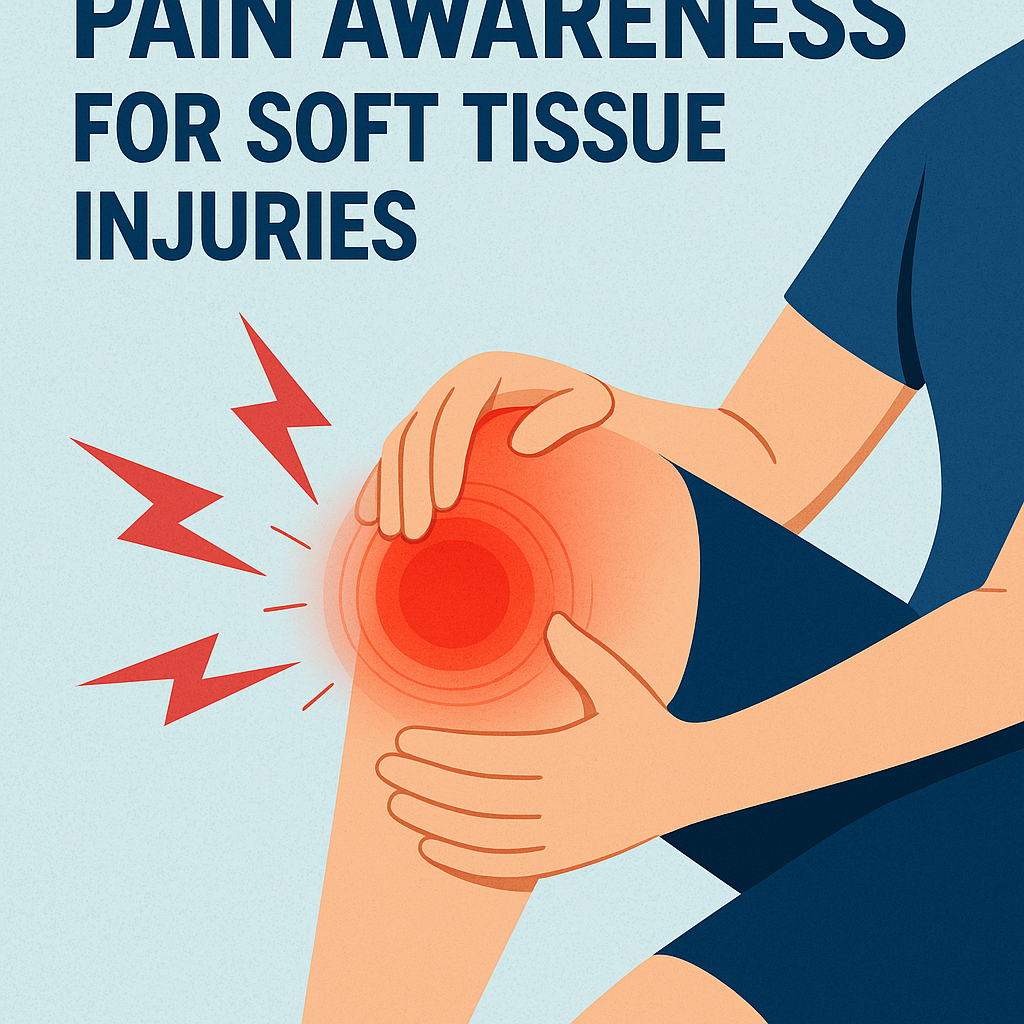
Pain Awareness for Soft Tissue Injuries
Soft tissue injuries are a common outcome after accidents, especially truck accidents, but understanding the pain and symptoms that follow isn’t always straightforward. Pain awareness for soft tissue injuries is crucial for individuals to effectively communicate their experience and monitor their wellbeing. This article explores why symptoms can appear after a truck accident, discusses common ways pain may manifest and change, and explains when people usually begin to notice and track their symptoms.
Why Symptoms Can Appear After Truck Accidents
Truck accidents often involve significant force due to the size and speed of the vehicles involved. Even in situations where there is no visible damage to bones or obvious external wounds, the body can sustain harm to soft tissues such as muscles, ligaments, and tendons. The impact during a collision can stretch, tear, or bruise these tissues, sometimes in ways that are not immediately detectable.
One reason symptoms may arise after such events is the rapid movement of the body at the moment of collision. For instance, being jerked forward and then backward can strain muscles and ligaments—common in whiplash—while blunt impact might result in bruising or swelling within deeper tissue layers. Additionally, in an accident’s aftermath, adrenaline and shock can mask discomfort, leading many not to notice mild pains or stiffness until hours or even days later.
Soft tissue injury pain awareness means recognizing that the onset and progression of symptoms can be indirect and gradual. The body’s initial response might be to buffer pain through stress hormones, only for the reality of injury to become apparent as those hormones subside.
Common Symptom Patterns (No Medical Instructions)
Awareness of how pain and symptoms might present after a soft tissue injury is important for personal monitoring and effective communication with others. While every individual’s experience can differ, some common patterns have been observed.
Delayed Onset: It is not unusual for individuals to feel little or no pain immediately after a truck accident, only for soreness and stiffness to become bracingly apparent later. In some cases, pain may first be noticeable several hours, or even a day or two, after the incident.
Aching and Stiffness: Many people report a dull, persistent ache in affected areas. Stiffness, especially upon waking or after long periods of inactivity, can hinder movement and flexibility.
Swelling and Tenderness: Swelling may develop as the body responds to injury. Tenderness when touching or pressing specific areas can also occur and might be localized or spread across a wider region surrounding the site of impact.
Limited Range of Motion: Difficulty moving a limb, neck, or joint in the usual way is a frequent sign that soft tissues may be affected.
Bruising: Discoloration of the skin, whether mild or extensive, suggests that blood vessels may have been impacted beneath the surface, consistent with soft tissue trauma.
Diffuse Discomfort: Sometimes, pain is not limited to the point of impact but may radiate to nearby areas. For example, an injury to the shoulder might lead to aches in the arm or back.
Why Symptoms Can Change Over Time
Soft tissue injury pain awareness also involves understanding that symptoms are not static. They can shift and transform over time due to several reasons.
Immediately after a truck accident, the body’s stress response can mask underlying pain. As the shock fades, discomfort may become more noticeable. Over the following days, inflammation and swelling can peak before gradually subsiding. For some, pain may move from sharp and localized to dull and dispersed. Changes in activity, rest, and environmental factors can also influence symptom patterns.
In addition, the healing process is not always linear. Some days may bring improvement, while others may see a resurgence of stiffness or pain, particularly after unusual activity or strain. Noting these patterns is an important aspect of soft tissue injury pain awareness as it helps create a comprehensive timeline of the body’s response.
When People Typically Start Monitoring Symptoms
Monitoring symptoms is a critical step in promoting one’s own wellbeing after a truck accident. Most people start to actively observe and track their symptoms when they first notice changes in their usual comfort or function—often within the first 24 to 72 hours after an incident.
Awareness tends to increase with any of the following:
– Onset of pain or stiffness: Even mild discomfort that appears hours after an accident can prompt increased awareness.
– Changes in mobility: Difficulty using a limb or joint often leads individuals to pay closer attention.
– Visible signs: Swelling or bruising can serve as a physical reminder to monitor how the injury is evolving.
– Inability to perform daily activities: Realizing that ordinary tasks have become more challenging highlights the need for better symptom awareness.
Some may also be prompted to begin monitoring symptoms after discussions with family, friends, or legal representatives, particularly in the context of insurance or accident claims, where accurately describing the progression of discomfort is necessary.
Using tools like symptom diaries, noting time of day when pain peaks, or descriptive language about the pain’s intensity and location can be helpful for future conversations with professionals or in tracking changes over time. While this article offers tips for self-awareness, it does not replace professional guidance. The intent is purely to educate about the importance and patterns of pain awareness for soft tissue injuries.
Neutral Closing Paragraph
Raising soft tissue injury pain awareness is an empowering step after any high-impact event, like a truck accident. Recognizing and monitoring changes in physical sensation, even as symptoms evolve, supports individuals in understanding their own experiences and communicating effectively about their wellbeing. By being attuned to common symptom patterns and tracking any changes, individuals are better equipped to articulate what they are feeling and when it started. While pain and discomfort following soft tissue injuries can vary greatly, increased awareness lays the groundwork for informed conversations and confident decision-making, whatever the next step may be.