
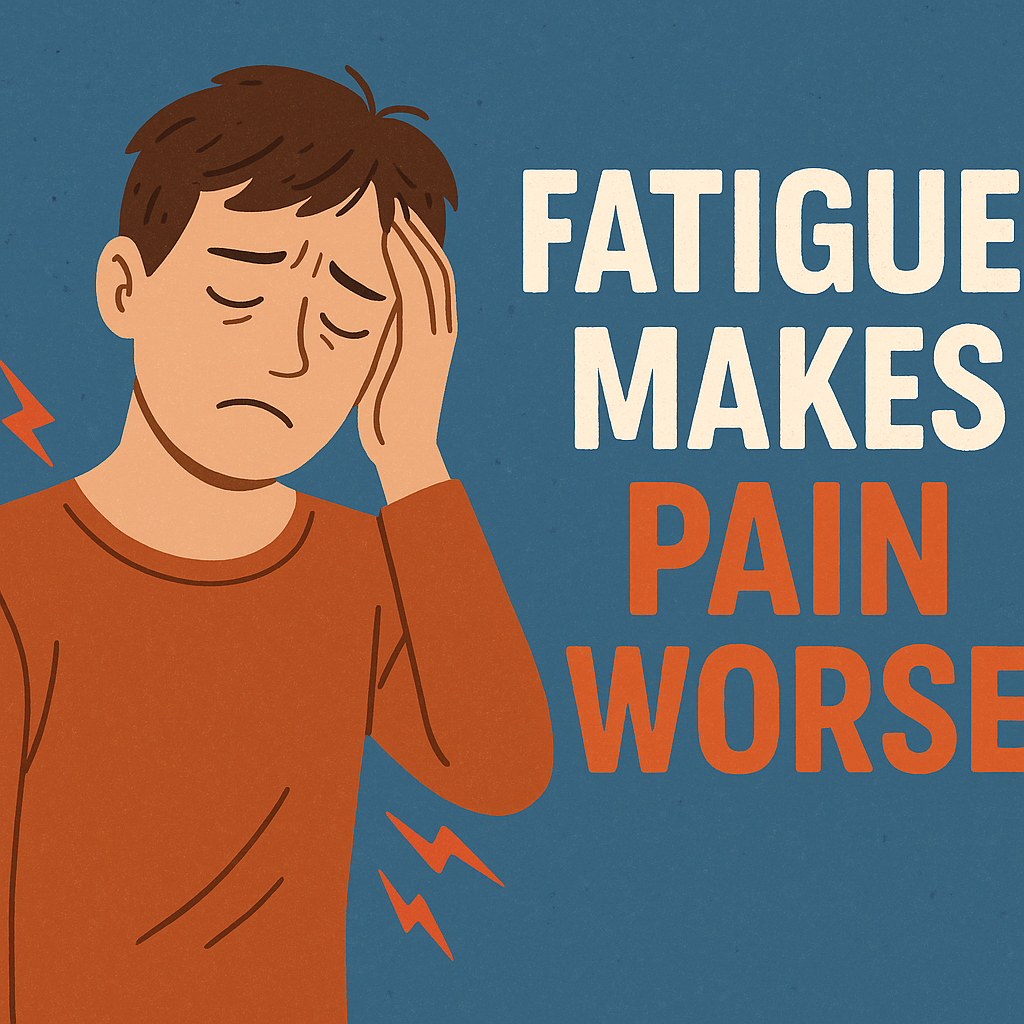
Why Fatigue Can Make Pain Feel Worse
Fatigue and pain often go hand in hand after a disruptive event like a truck accident. It’s not unusual for people to find that their pain feels sharper or more intense when they’re tired. But why does fatigue make pain worse? The connection between exhaustion and physical discomfort is more than a simple inconvenience—it’s a complex interaction involving the body and mind. Understanding this link can be especially helpful for anyone recovering from accidents or dealing with lingering symptoms.
Why Symptoms Can Appear After Truck Accidents
After a truck accident, people sometimes expect that the only symptoms they’ll notice are obvious and immediate ones, like cuts or bruises. However, the experience of trauma, both physical and emotional, can cause a range of delayed symptoms. These signs don’t always appear right away but may develop over hours or days.
This delay often happens because when a person is involved in a stressful situation—such as a collision—their body releases chemicals that mask pain. This is sometimes referred to as the “fight or flight” response. Once the adrenaline and stress hormones decrease, underlying aches and pains become more apparent. Compounded with fatigue, these symptoms can feel more pronounced.
A lack of sleep following an accident—as people deal with shock, worry, or disrupted routines—can further drain energy levels. Fatigue makes pain worse by making it harder for the body to cope with any discomfort, intensifying the perception of pain and other symptoms.
Common Symptom Patterns (No Medical Instructions)
The most common symptoms after an accident aren’t limited to just pain. People may report feeling sore, stiff, or achy, often in the neck, back, or shoulders. Sometimes headaches, muscle tension, or general malaise set in as well. For many, fatigue itself becomes a primary concern, creating a feeling of being worn out or unable to bounce back.
In many cases, symptoms don’t remain the same throughout the day. Pain and discomfort may cycle, worsening when a person is especially tired. This is because fatigue makes pain worse by lowering the body’s threshold for stress—when running low on rest, sensations that might otherwise be manageable can seem amplified.
Additionally, the mind and body are closely linked. When fatigued, it’s natural to become more focused on discomfort. People may notice more aches and pains or find them harder to ignore. This awareness can create a feedback loop: tiredness makes pain appear worse, which can then lead to even more fatigue.
Why Symptoms Can Change Over Time
Symptoms after a truck accident—especially pain and fatigue—rarely follow a predictable, linear pattern. In the days and weeks after the event, it’s common for symptoms to fluctuate. Some days may feel better, only to be followed by days when fatigue makes pain worse.
Such changes are often influenced by daily routines, activities, and rest. For example, increased physical or emotional stress can drain energy reserves and cause old aches to return or new ones to surface. It can also depend on how much rest a person is getting, and how their body is responding to ongoing stressors.
Another reason symptoms can change is the cumulative nature of fatigue. If someone is unable to get good sleep for several nights in a row, their resilience to pain can diminish, causing discomfort to feel sharper even if the underlying physical cause hasn’t changed. Emotional factors—such as stress about insurance, work, or recovery—can contribute as well, making it more challenging to get quality rest and creating a cycle where fatigue makes pain worse.
When People Typically Start Monitoring Symptoms
Most people begin tracking their symptoms soon after noticing that their pain or fatigue isn’t improving as quickly as they expected. This period can range from a few days to a couple of weeks after the accident. Monitoring typically becomes more important as daily routines are impacted, such as when sleep troubles make mornings harder or if pain disrupts work or family obligations.
Sometimes, it is the realization that symptoms change with energy levels that prompts closer attention. For example, a person may notice that their soreness is mild after a good night’s sleep but worsens after a busy or restless day. Journaling or just being mindful of patterns helps in understanding how fatigue makes pain worse and can be useful when talking to professionals or communicating with support networks.
In some cases, people may also begin monitoring symptoms after talking to friends or reading about others’ experiences, realizing that variations in fatigue and pain are not uncommon after a traumatic event.
Neutral Closing Paragraph
Understanding the link between fatigue and pain can make it easier to recognize patterns rather than become frustrated by them. The way accident-related symptoms unfold can be unpredictable, and it’s common for pain to feel worse during periods of tiredness. By paying attention to how energy levels and discomfort interact, individuals can gain insight into their own recovery process—often finding reassurance in the fact that these experiences are typical after stressful events. Knowledge about how fatigue makes pain worse helps foster a more patient, informed approach to the time it may take to feel better.