
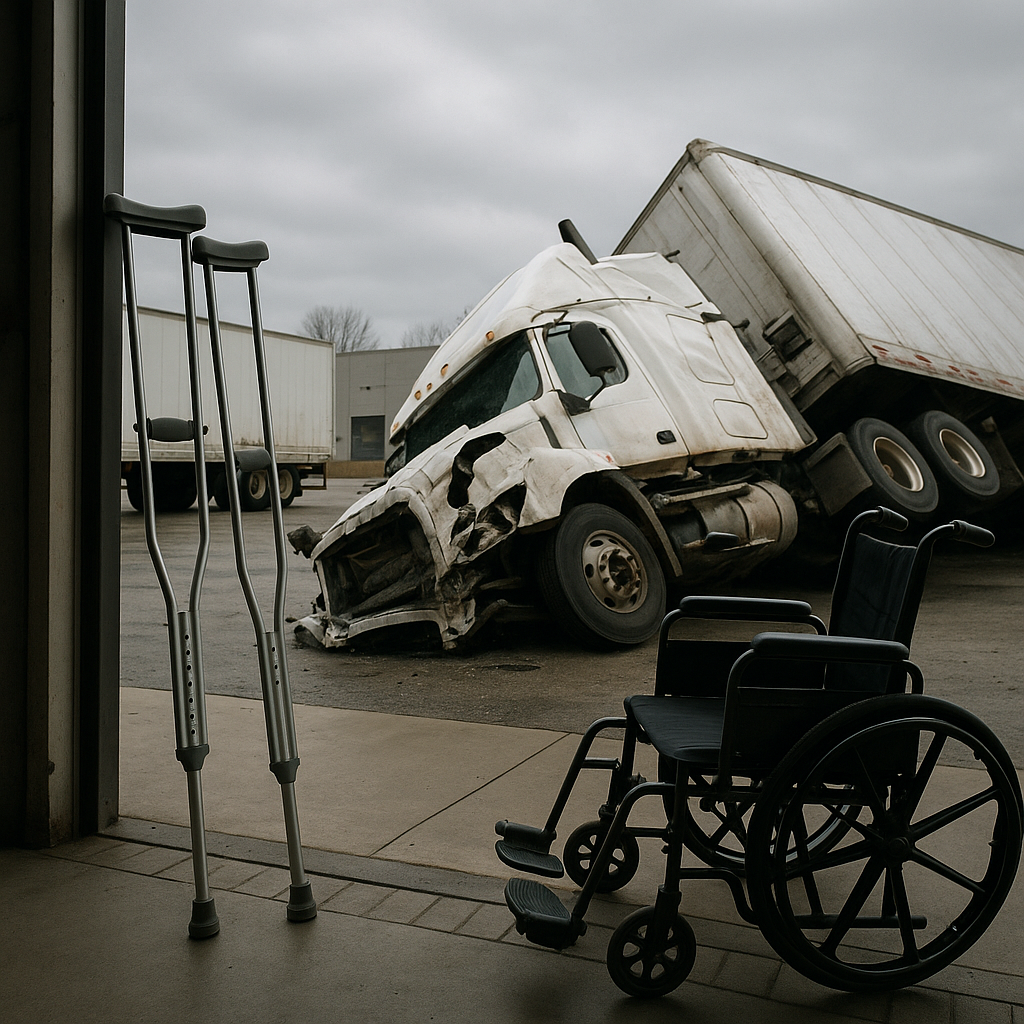
Daily Coping After Severe Truck Accidents at Work
Overview of Daily Coping Challenges After Severe Truck Accidents
Experiencing a severe truck accident while at work can permanently impact a person’s daily life. The immediate aftermath often brings about a range of physical, emotional, and psychological consequences that continue well beyond the initial recovery period. For many workers, these enduring effects present daily coping challenges, both predictable and unexpected.
The process of daily coping after a severe truck accident at work requires continual adaptation. The adjustment encompasses handling altered routines, managing pain or mobility limitations, and dealing with emotional responses such as anxiety or loss. These challenges can be layered and intertwined, contributing to an unpredictable recovery journey.
People returning to their personal and professional lives must integrate not only the physical limitations resulting from their injuries but also the mental and emotional strains. The combination of workplace changes, shifts in personal relationships, and the need for ongoing medical care can result in a complex web of daily difficulties.
Common Daily Difficulties
The hurdles encountered after a workplace truck accident can touch virtually every aspect of an individual’s day. Some of the most commonly reported daily difficulties include:
– Chronic pain and discomfort: Persistent physical pain from injuries can interrupt sleep, affect mobility, and hinder the completion of daily tasks.
– Reduced mobility: Injuries often result in limited range of motion or decreased physical strength, making previously simple actions—such as climbing stairs or lifting objects—more taxing or impossible.
– Fatigue: Recovery consumes significant energy, and medications, disrupted sleep, or emotional stress can contribute to ongoing tiredness.
– Emotional distress: Feelings of anxiety, sadness, frustration, and irritability are frequently experienced as individuals come to terms with their new circumstances.
– Flashbacks and hypervigilance: Some people report reliving the accident or remaining constantly on high alert, especially in similar environments or around large vehicles.
– Concentration and memory issues: Mental fatigue, stress, or trauma can impair cognitive function, making attention and memory unreliable.
– Limitations at work: Returning to job duties may include modified roles, task restrictions, or altered work hours. These adjustments can lead to feelings of inadequacy or fears about job security.
– Social withdrawal: Physical limitations and emotional reactions sometimes lead to less engagement with friends, family, and colleagues.
– Changes in self-image: Altered appearance or abilities can affect self-confidence and sense of identity.
– Managing medical routines: Ongoing rehabilitation, doctor appointments, and medication schedules add to daily burdens.
These difficulties often accumulate, interacting in ways that make each day unpredictable and potentially overwhelming. The process of adapting to these changes is rarely linear and can differ greatly between individuals.
Practical Coping Systems People Often Use
Faced with these ongoing challenges, individuals tend to develop a range of coping systems in their everyday lives. These strategies typically arise from a combination of necessity, personal preferences, available resources, and support networks. While each approach is personal, several common patterns are seen among those adjusting to life after a severe truck accident at work.
For example, many people rely on organizational aids and reminder tools—using calendars, cues, or lists to help track medical appointments, therapy sessions, and daily tasks. This can provide a sense of structure and reduce the cognitive load of remembering multiple commitments.
Some individuals make use of modified workspaces and adaptive equipment, incorporating ergonomic chairs, adjustable desks, or mobility aids. These physical modifications enable greater comfort and accessibility at home or in the workplace.
A number of people turn to peer support and social groups. Sharing experiences with others who have faced similar accidents or injuries may foster a sense of understanding, validation, and encouragement. Digital platforms and in-person gatherings serve as valuable forums for discussing challenges and exchanging ideas.
Many also find routine and predictability to be helpful in managing anxiety or feeling overwhelmed. Establishing consistent daily routines around meals, sleep, exercise, and therapy can bring familiarity and a sense of stability.
Another practical system involves relying on professional counseling or therapy. Engaging with mental health professionals can assist individuals in processing trauma, managing stress, and developing strategies to handle emotional fluctuations.
Family, friends, and colleagues frequently form a crucial support network, assisting with transportation, household tasks, or simply offering companionship. This support can lighten the burden of daily duties and foster emotional wellbeing.
Additionally, some workers make use of workplace accommodations—such as flexible schedules, job sharing, or telecommuting—arranged through collaboration with employers and human resources departments. These adaptations help maintain employment and provide a source of income while respecting new physical or mental health needs.
Taken together, these coping systems reflect the adaptability and resilience of those impacted by workplace truck accidents. They frequently evolve over time, responding to changes in recovery progress, personal goals, and external circumstances.
How Coping Improves Gradually Over Time
Coping with the aftermath of a severe truck accident at work is rarely a straightforward process. However, many individuals report gradual improvements in their daily coping abilities as time passes. This evolution is largely attributed to a combination of physical healing, emotional processing, and the eventual normalization of new routines.
Over time, individuals often come to better understand their limitations and capabilities, refining their coping strategies for greater effectiveness. For those experiencing pain, rehabilitation and appropriate medical interventions often yield gradual physical improvement. Accepting modifications in work and personal environments can mark significant milestones in psychological adjustment.
The emotional turmoil following a traumatic accident tends to subside or become more manageable with consistent support and the passage of time. Adaptation can also be facilitated by setting realistic expectations, celebrating small victories, and fostering a sense of purpose or accomplishment despite ongoing limitations.
Another key factor in gradual improvement is the strengthening of support systems. As families, friends, and workplaces become more attuned to the person’s needs, the efficiency and effectiveness of external support can increase.
While setbacks and difficult days are frequently reported—even months or years after the accident—many individuals find that their overall sense of control and competence increases with time. This improved coping is not a sign of forgetting the incident, but more a reflection of adaptation, resilience, and determination.
Neutral Closing Paragraph
Daily coping after a severe truck accident at work is a distinctly individual process, shaped by the interplay of injury, emotion, and circumstance. While the challenges can be significant and enduring, individuals continue to demonstrate a remarkable capacity to adjust, utilizing both personal and external resources. Understanding the daily realities faced by those recovering from such events fosters greater empathy and awareness, helping workplaces and communities offer meaningful support as recovery unfolds.