
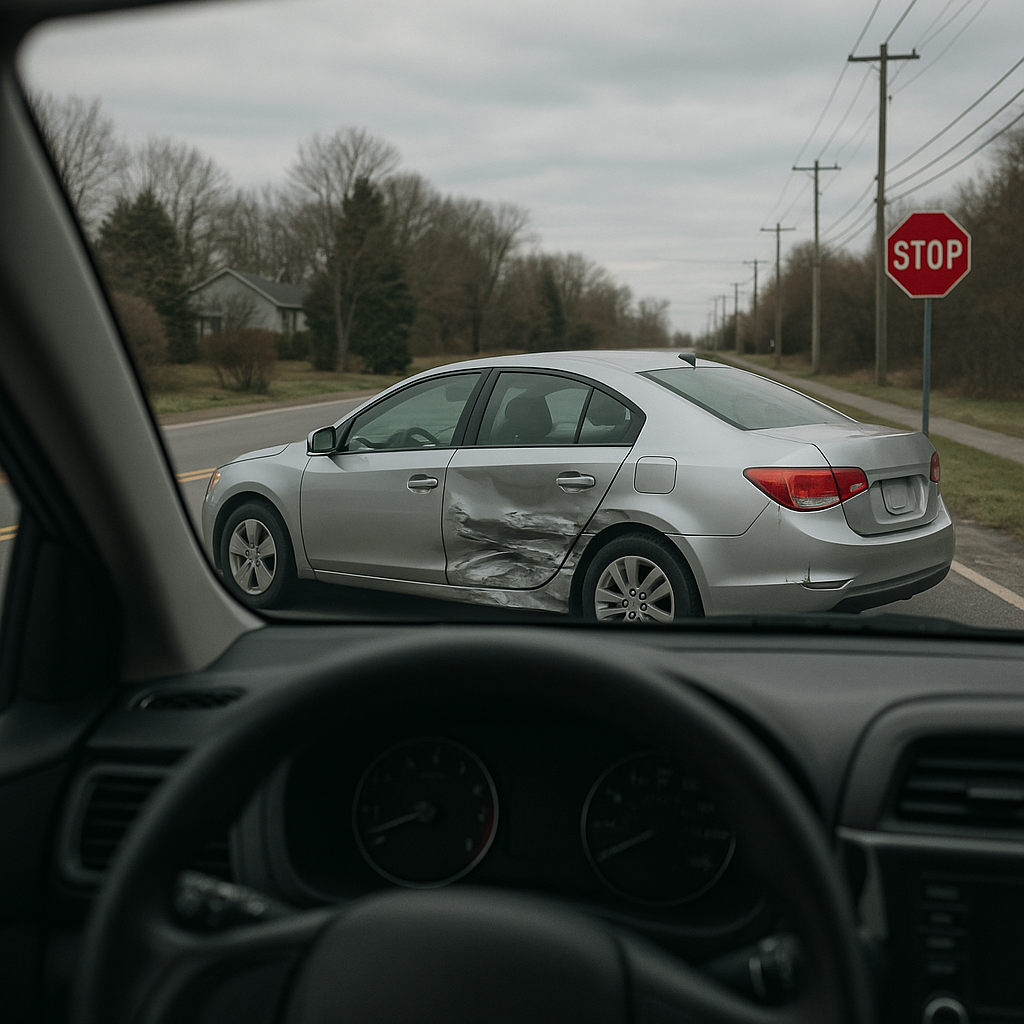
Managing Stress Around Driving Again
Overview of Daily Coping Challenges After Severe Truck Accidents
Experiencing a severe truck accident can deeply affect a person’s sense of safety and confidence on the road. The stress of considering a return to driving is often intense, as survivors re-enter an environment that may now seem unpredictable or threatening. Even well after physical recovery, emotional responses such as anxiety, hypervigilance, and anticipatory dread can complicate everyday tasks, especially those connected to driving.
The act of driving may have previously been routine, yet after a serious collision, it can involve a cascade of worries: the potential for another incident, the unpredictability of other drivers, and the ever-present reminders of a traumatic event. For many individuals, stress is not limited to moments behind the wheel. It can surface in anticipation of driving, manifest during the commute, or emerge even when planning travel.
These reactions are normal for people coping with the aftermath of a major accident. Returning to driving is often framed as a significant milestone in the path to reclaiming normalcy and independence. However, resuming driving tends to require new mental and emotional resources, which can be exhausting to sustain each day. Many find that their ability to manage stress evolves, but it is rarely a linear or swift process.
Common Daily Difficulties
Individuals managing stress around driving again after a severe truck accident often face an array of daily challenges, which can affect both their emotional well-being and daily routines. Some frequent difficulties include:
– Anticipatory Anxiety: Worries may begin long before getting behind the wheel, as thoughts of potential road hazards or reminders of the accident surface.
– Sleep Disruption: Anxiety about upcoming drives can interfere with the ability to fall or stay asleep, leading to fatigue the next day.
– Physical Symptoms: Racing heart, shortness of breath, sweating, muscle tension, or gastrointestinal discomfort often accompany the worry associated with driving.
– Hypervigilance: An increased sense of alertness to potential danger, such as scanning for trucks or replaying accident scenarios, can make driving mentally taxing.
– Avoidance Behaviors: Some individuals may alter their routines, planning trips to avoid highways, city centers, or certain times of day, or relying on alternate forms of transportation where feasible.
– Difficulty Concentrating: Stress may result in intrusive thoughts, making it challenging to stay focused while driving or even while performing unrelated tasks.
– Irritability and Mood Changes: Ongoing stress can lead to feelings of frustration, sadness, or anger, particularly around driving-related topics or reminders.
– Social Challenges: The fear of driving may limit involvement in social activities, reducing opportunities for community engagement and increasing isolation.
These challenges highlight how managing stress around driving again involves more than just the act of driving itself. For many, stress weaves into decisions both big and small, influencing every aspect of daily life.
Practical Coping Systems People Often Use
Over time, different individuals find unique ways to navigate the daily realities of driving-related stress. These coping systems are developed in response to personal needs, preferences, and support networks. Here are some common approaches people often incorporate into their routines:
– Incremental Exposure: Some individuals gradually increase their comfort by driving short, familiar routes before attempting longer or more complex journeys.
– Support Networks: Friends, family members, or co-workers may accompany returning drivers, offering emotional support or serving as co-drivers as confidence grows.
– Grounding Strategies: Techniques that help bring attention back to the present—such as focusing on specific roadside details or regulating breathing—can reduce moments of intense anxiety.
– Personal Rituals: Having routines, like listening to calming music or practicing relaxation techniques before driving, can create a greater sense of predictability and control.
– Engagement with Professional Support: Some individuals choose to participate in therapeutic conversations or support groups to share experiences, explore coping tools, or receive validation.
– Flexible Scheduling: Adjusting work hours, errands, or appointments to off-peak traffic times can help manage stress associated with heavy traffic or crowded roads.
– Regular Self-Awareness Check-Ins: Monitoring emotional and physical responses before and after driving allows individuals to notice progress or recognize patterns.
– Adaptation to Triggers: Many learn to anticipate and manage situations or stimuli that evoke reminders of the accident, such as passing certain landmarks or driving near large trucks.
These systems emerge from ongoing experimentation and reflection. Not every strategy works for every individual, and preferences often shift over time. The intent behind these coping mechanisms is to gradually establish a sense of safety and mastery without forcing a rapid return to previous habits.
How Coping Improves Gradually Over Time
Managing stress around driving again rarely follows a straight path. Individuals tend to experience periods of progress interspersed with setbacks, and the timeline for improvement is highly individualistic. Despite these fluctuations, many notice a gradual easing of symptoms with continued effort and adaptation.
As familiarity with driving circumstances rebuilds, anxiety and hypervigilance may diminish. Routine exposure often leads to the reestablishment of trust in personal driving abilities and in the predictability of daily commutes. Frequent practice of coping systems can lessen the intensity and frequency of stress responses. Over time, moments of anxiety may become more manageable and less disruptive to daily life.
Support from others, ongoing reflection, and patience with the healing process contribute to this shift. Small victories—such as completing a challenging drive or navigating a busy intersection—often provide momentum for future progress. Ultimately, the experience of overcoming stress may foster increased resilience and a deeper understanding of personal limits and strengths.
Neutral Closing Paragraph
Returning to driving following a severe truck accident involves physical, emotional, and behavioral adjustments. The process of managing stress around driving again is shaped by everyday challenges as well as evolving coping systems. While the experience is unique for each individual, many find that confidence and comfort gradually increase with time and ongoing self-awareness. By understanding the common realities and adapting in ways that suit their needs, individuals continue to make progress in their journeys back to the road.