
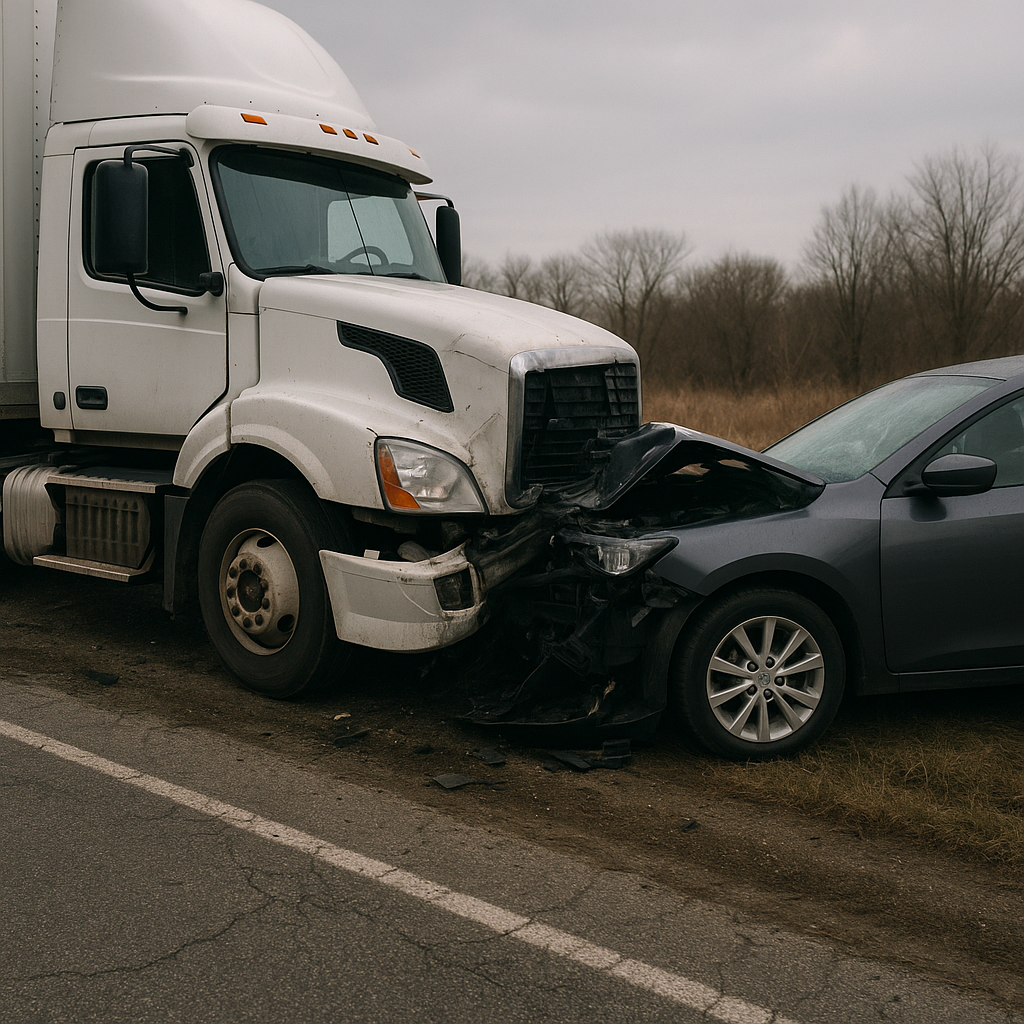
Understanding Emotional Survival After Truck Accidents
Truck accidents often leave a lasting impact beyond physical injuries. The sheer size and force involved can create particularly intense emotional responses, which may persist long after the initial event. Understanding emotional survival after a truck accident means recognizing the variety of ways people respond to trauma and learning how these responses might unfold in the days and weeks that follow. This article provides a calm and informed look at the emotional landscape that sometimes emerges, helping to foster a better understanding of the emotional journey after such an event.
Overview of Shock and Trauma After Truck Accidents
Immediately after a truck accident, it’s common for people to feel overwhelmed. Even if physical injuries are minor or absent, the emotional consequences can be significant. At the heart of these early reactions is shock—a natural and automatic state that can leave someone feeling numb, disoriented, or detached from reality.
The intensity of the incident, the suddenness of events, and the sight and sound of the crash can all contribute to an initial response that feels unreal or dreamlike. Emotional trauma refers to the longer-lasting impact that lingers beyond the first moments, often surfacing as anxiety, fear, or persistent memories of the accident. This emotional survival process unfolds differently for each individual, influenced by factors such as personal resilience, support systems, and previous life experiences.
Why the Body and Mind React This Way
Human bodies and minds are finely tuned to respond to sudden threats. When a truck accident occurs, the body’s automatic stress response takes over—a physiological reaction often known as the “fight, flight, or freeze” response. Adrenaline floods the system, preparing a person to survive imminent danger. This primal response is protective, allowing for swift reactions that may minimize harm during a crisis.
The mind works quickly to make sense of what has happened. Memories may be processed in fragments or stored in ways that make them difficult to access clearly at first. Occasionally, dissociation—a sense of being outside one’s body or reality—can emerge as a coping mechanism. These reactions aren’t signs of weakness but rather evidence of the mind’s effort to manage overwhelming experiences.
Common Reactions People Experience
The emotional survival journey after a truck accident typically includes a wide range of responses, all of which fall within the spectrum of normal. Some common reactions include:
– Numbness or detachment: Many people report feeling disconnected from their surroundings or from their own emotional state. This can manifest as emotional numbness or as if observing the event from outside oneself.
– Anxiety and fear: Worry or nervousness about driving, riding in a vehicle, or even being near traffic is frequent. These feelings may be especially pronounced if the accident was severe.
– Disturbing memories: Intrusive thoughts, flashbacks, or nightmares about the accident can affect sleep or daily functioning.
– Irritability or mood swings: Some individuals experience heightened sensitivity, quick frustration, or swings between sadness and anger.
– Trouble concentrating: Difficulty focusing at work, school, or during everyday tasks often occurs as the mind processes the event.
– Physical symptoms: Headaches, stomach discomfort, or changes in eating and sleeping patterns are also common physical expressions of emotional distress.
– Avoidance: Some individuals may steer clear of reminders of the event, such as certain roads, vehicles, or conversations about driving.
Each of these reactions serves a purpose. Numbness can offer temporary relief from overwhelming feelings. Avoidance may create a safe space for emotional healing in the short-term. The body’s physical responses are signals that it’s striving to adjust and recover.
How These Reactions Can Change Over Time
Emotional responses to trauma are not static. Over time, many people find that the intensity of their reactions diminishes, though the timeline and trajectory will vary. In the first hours and days after the accident, emotional states can be intense and unpredictable. Sleep may be disrupted, or emotions may fluctuate without warning.
As weeks pass, for most people, the mind and body gradually adapt and restore a sense of equilibrium. Nightmares may become less frequent, concentration may improve, and feelings of anxiety about travel might lessen. Some individuals find that specific reminders become easier to handle, while others notice a gradual return to routines that initially felt daunting.
It’s also possible for some reactions to appear or intensify after a delay. This is not unusual; sometimes the mind’s initial protective numbness gives way to other emotions like sadness or frustration as time passes. The path to emotional recovery is rarely linear, and it’s not unusual for challenges and improvements to alternate over weeks or months.
While many people naturally regain their emotional footing, others may feel lingering distress or continue to experience interference with daily life. The range of outcomes is broad, just as the responses themselves are varied.
Closing Reassurance Paragraph
Experiencing a truck accident can lead to a complex and evolving range of emotional responses, all of which reflect the mind and body’s efforts to recover from a profoundly unsettling event. These reactions, both immediate and delayed, form a normal part of the emotional survival process. Individuals tend to find their own pace of adjustment, and changes in emotional state over time can be expected. The journey toward restored well-being often unfolds gradually, shaped by each person’s unique experience and circumstances.