
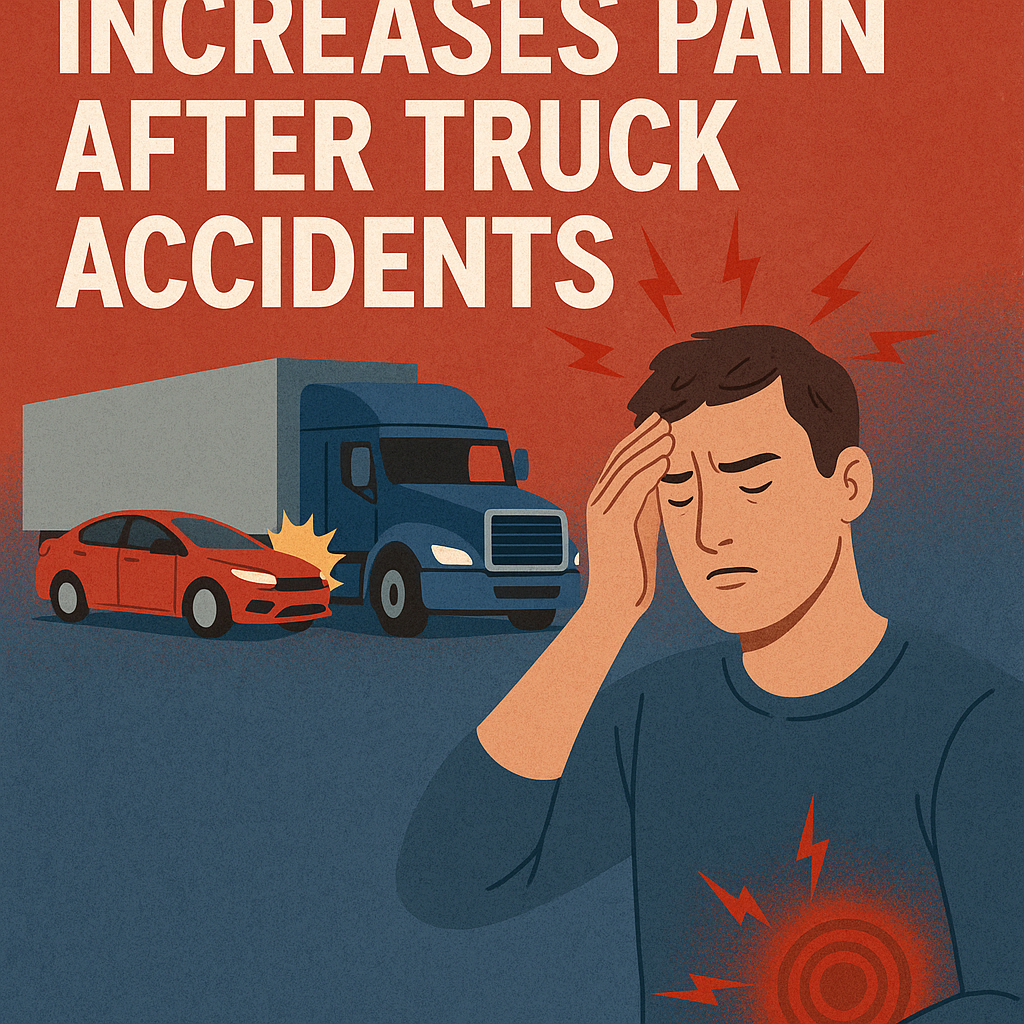
How Stress Increases Pain After Truck Accidents
Being involved in a truck accident is a life-altering event. The sheer force and trauma associated with these incidents can result in a wide range of physical, emotional, and psychological responses. Among these responses, pain is one of the most common complaints following a truck accident. What many people may not realize, however, is that stress can play a significant role in how much pain is felt and how long it persists. Understanding how stress increases pain after a truck accident can provide valuable insight into why symptoms might change over time and what to pay attention to during recovery.
Why Symptoms Can Appear After Truck Accidents
Truck accidents often involve high-impact collisions, which can jolt the body in unexpected ways. The initial shock and adrenaline rush may mask certain symptoms, causing people to feel relatively unscathed immediately afterward. However, as time passes and adrenaline levels normalize, the true extent of injuries and symptoms can become more noticeable.
Physical symptoms such as aches, stiffness, or headaches are common following these accidents. In parallel, emotional responses—including anxiety, fear, or confusion—may surface. The body and mind are closely linked, and both physical and psychological responses may emerge and intensify over hours or even days.
In this context, stress acts as both a mental and physical trigger. The uncertainty, fear, and disruption caused by a truck accident can leave individuals in a heightened state of alertness long after the event. This ongoing stress response can amplify pain and introduce new challenges during recovery.
Common Symptom Patterns
When examining the aftermath of a truck accident, several typical symptom patterns can be observed:
– Delayed onset of pain: It’s not unusual for people involved in truck accidents to report pain hours or even days after the incident. This delay can be influenced by both physical injury and the body’s stress response.
– Widespread discomfort: Stress can cause muscle tension, leading to generalized aches or pain beyond the original site of trauma.
– Headaches and fatigue: Mental strain and physical injury often combine to produce persistent headaches and overall tiredness.
– Heightened sensitivity: Individuals may become more sensitive to pain, sounds, or lights, especially when stress levels are high.
– Emotional symptoms: Anxiety, mood swings, and irritability may accompany physical symptoms, intertwining the experience of pain with emotional distress.
These patterns highlight the complex relationship between physical injury and psychological well-being after truck accidents. While each person’s experience is unique, stress remains a consistent factor in amplifying discomfort and altering the way pain is felt.
Why Symptoms Can Change Over Time
Pain and other symptoms following a truck accident rarely remain static. Several reasons account for the evolving nature of these experiences:
– Body’s healing process: Natural physical healing can lead to increased soreness as bruises, swelling, or inflammation become more pronounced in the days following an injury.
– Chronic stress: Continued worry, flashbacks, or fear stemming from the accident can keep the body in a heightened state of alert. This persistent stress can interfere with sleep, increase muscle tension, and decrease one’s ability to cope with pain.
– Changing routines: Adapting to new limitations or daily routines after an accident can create additional stress. This transition period can make symptoms feel worse, especially if return to normal activities is delayed.
– Psychological factors: The way a person perceives pain can shift over time. Feelings of frustration, sadness, or hopelessness may intensify pain sensations, demonstrating how deeply stress and pain are connected.
Fundamentally, the mind and body are in near-constant communication. Stress not only amplifies pain but can also make it more difficult to focus on anything else, creating a cycle where each feeds into the other. This dynamic explains why symptoms might emerge, intensify, or diminish weeks or months after a truck accident.
When People Typically Start Monitoring Symptoms
It’s common for people to first pay close attention to their symptoms in the hours or days following a truck accident, especially as the initial shock wears off and delayed pain or discomfort arises. For some, heightened awareness begins only when daily activities become difficult or when nagging pain interferes with work, sleep, or family life.
Other factors prompting closer symptom monitoring include:
– Work and family responsibilities: If the pain begins to impede one’s ability to function at home or on the job, individuals often become more vigilant.
– Insurance or legal concerns: The process of filing reports or insurance claims may require detailed documentation of symptoms. This necessity can cause people to pay extra attention to changes and patterns.
– Support from loved ones: Friends, family, or co-workers noticing behavioral or physical changes may encourage more active monitoring.
During this period, many find themselves not only tracking physical symptoms like soreness or headaches but also psychological feelings such as anxiety about driving or being on the road again. Heightened self-awareness, often driven by stress or concern for one’s health, can lead individuals to notice patterns and correlations between their stress levels and the severity of pain experienced.
Understanding the Connection Between Stress and Pain
In summary, stress is a powerful force that can significantly increase the experience of pain after a truck accident. While the physical effects of a collision are often clearly visible, the psychological and emotional aftermath can be equally impactful. The interplay between stress and pain shapes both the perception and intensity of symptoms, often prolonging recovery and making it more difficult to return to pre-accident routines.
Understanding this relationship provides valuable context for anyone recovering from a truck accident or supporting someone through such an experience. By recognizing that stress increases pain—and that symptoms can change or intensify over time—individuals can be more attentive to their overall well-being during the healing process. Though each recovery journey is different, being aware of how closely mind and body interact serves as a key step towards greater self-awareness and resilience after traumatic events.