
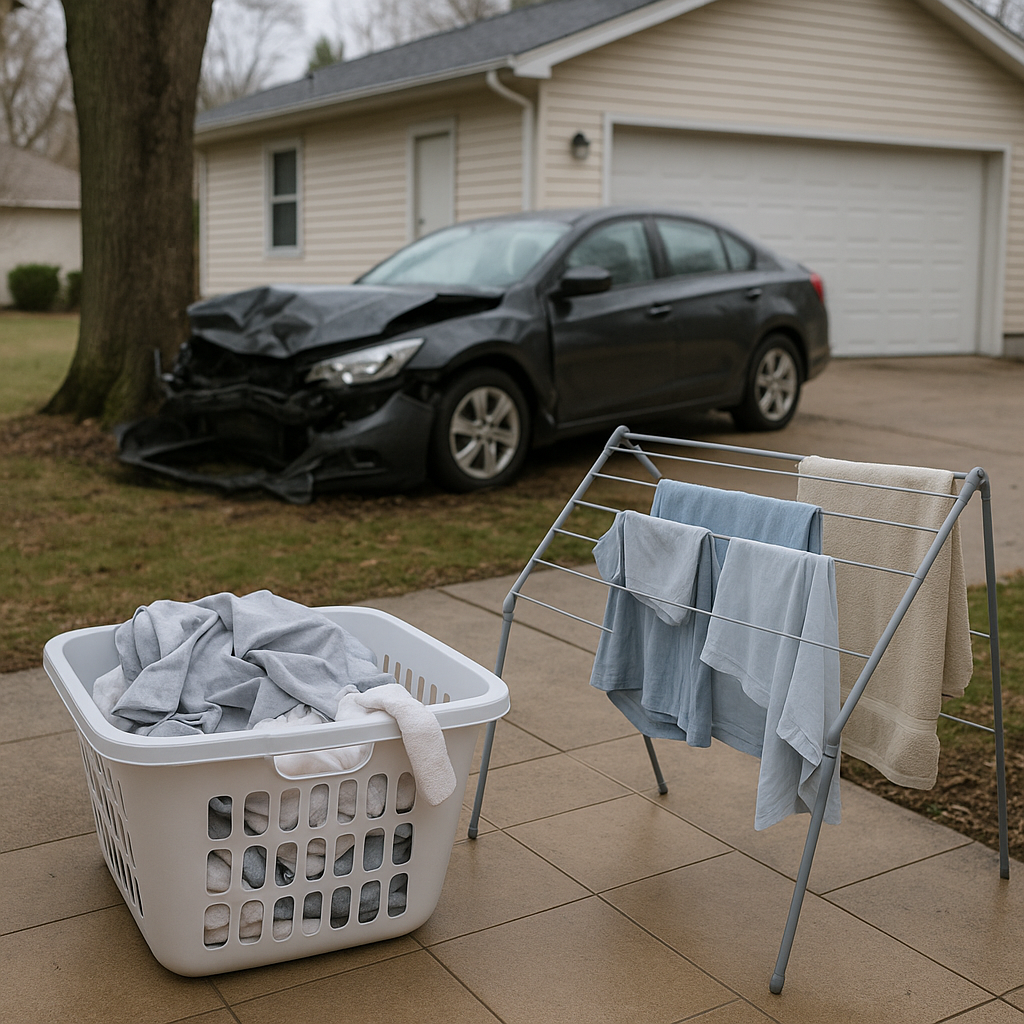
Managing Laundry and Home Tasks After a Crash
Overview of Daily Coping Challenges After Severe Truck Accidents
A severe truck accident can have a profound impact on nearly every aspect of daily living, often changing individuals’ ability to manage household routines such as laundry and other home tasks. The physical, emotional, and cognitive aftereffects of a serious crash may present ongoing challenges, affecting tasks that once seemed automatic or easy. The need for medical treatment, ongoing rehabilitation, or adjustments for decreased mobility can disrupt established routines and introduce considerable barriers to maintaining a home environment.
For many, the change is sudden and sweeping. Activities like managing laundry, cooking, cleaning, or organizing take on new complexity due to pain, limited mobility, medication effects, or emotional fluctuations. Not only do the practical aspects of doing laundry home tasks after a crash become more difficult, but there may also be feelings of frustration or a sense of loss around the struggle to maintain standards and order in the home. These challenges are often compounded by the demands of navigating medical appointments, insurance paperwork, and other post-accident responsibilities.
Common Daily Difficulties
Individuals managing household routines after a truck accident may encounter a variety of obstacles. Some of the most common difficulties include:
– Physical limitations: Pain, reduced strength, or limited range of motion can make it hard to lift laundry baskets, bend over for loading machines, or fold clothes.
– Fatigue: Ongoing tiredness, whether from injury, medication, or emotional stress, often reduces the energy available for home tasks.
– Cognitive challenges: Difficulty with memory, focus, or organization can make it harder to track laundry cycles or remember household schedules.
– Emotional impact: Feelings of overwhelm, frustration, or depression may decrease motivation for routine self-care and housekeeping.
– Risk of re-injury: Concerns about aggravating injuries, losing balance, or over-exerting while attending to household chores.
– Disrupted routines: Rehabilitation schedules, medical appointments, and changes in family responsibilities can interrupt former daily patterns.
– Dependence on others: Reluctance or logistical challenges around asking for, coordinating, or accepting help from family or friends.
– Accessibility barriers: Standard laundry setups (basement washers, heavy machines) may no longer be feasible given mobility or transportation issues.
These challenges often interact, creating a feedback loop that can make it seem more difficult to regain a sense of normalcy in home management after a crash.
Practical Coping Systems People Often Use
Over time, many people develop their own coping systems to address laundry and home tasks after a crash. These systems are shaped by factors like personal capacity, access to support, home environment, and the nature of the injuries sustained. While there is no single “right way” to adjust, observing common solutions can shed light on the resourcefulness employed during recovery.
Some practical approaches include:
– Task modification: Adapting traditional routines by simplifying processes, such as doing smaller loads of laundry more frequently to reduce lifting or using rolling carts to transport items.
– Prioritization: Focusing energy on the most essential tasks while allowing less urgent chores to wait, or accepting a shift in household standards, can help manage the overall load.
– Use of tools and technology: Incorporating aids such as reach extenders, lightweight laundry baskets, or smart home devices to decrease physical strain.
– Delegation and support: Relying on family members, roommates, or friends for certain chores, or coordinating with home care services, where available.
– Strategic rest: Building in intentional rest periods between tasks to better cope with fatigue or pain.
– Routine adjustment: Rearranging the timing of home tasks to coincide with periods of higher energy or less discomfort.
– External services: Utilizing laundry services, grocery delivery, or housekeeping help when possible as a way to manage workload.
People often combine several of these strategies to suit their evolving needs. The key element observed in these coping systems is flexibility—an ability to adjust expectations, routines, and definitions of a well-managed home during the recovery process.
How Coping Improves Gradually Over Time
Adjustment to managing laundry and home tasks after a crash typically unfolds as a gradual process rather than a quick transformation. Early stages of recovery may be marked by greater dependence on others and higher levels of frustration or grief around lost abilities. Over time, as rehabilitation progresses and individuals learn more about their bodies’ new limits and strengths, coping mechanisms can become more refined.
Recovery is rarely linear. Fluctuations in pain or energy, return to work or social activities, and emotional ups and downs can all influence one’s ability to manage household routines. As people experiment with new systems, trial and error foster insight into what is practical and sustainable for their particular situation.
Many individuals describe a transition from focusing on what is no longer possible to discovering new routines that are manageable and satisfying. Milestones, such as being able to complete a load of laundry independently or resuming a favorite household task, often serve as markers of adaptation and improvement. This journey may also include greater comfort in seeking assistance or using adaptive tools.
Over time, coping typically involves a blend of adaptation, acceptance, and practical problem solving. External support—whether from professionals or personal networks—remains valuable, but individuals frequently report growing confidence in their own routines and self-management as their recovery continues.
Neutral Closing Paragraph
Managing laundry and home tasks after a crash is a significant adjustment that encompasses both practical and emotional elements. While the process of coping with new limitations and routines can be daunting, the experiences of many individuals highlight a steady, if gradual, move towards adaptation. Each person’s circumstances and solutions are unique, reflecting the diverse ways in which home life is restructured following a major injury. The gradual development of new systems and the redefinition of daily routines are central aspects of managing household responsibilities in the aftermath of a severe accident.