
Coping with Needing Help for Basic Tasks
Overview of Daily Coping Challenges After Severe Truck Accidents
Coping with needing help for basic tasks can be a significant and ongoing challenge, especially for individuals recovering from severe truck accidents. Such events often cause life-altering injuries or traumatic conditions that disrupt a person’s independence and daily routines. Adjusting to new limitations evokes a complex blend of physical, emotional, and practical considerations, reshaping how individuals perceive themselves and interact with the world around them.
After a severe collision, previously routine actions—such as dressing, bathing, eating, or moving around the home—may suddenly require assistance. This new reliance on others or adaptive devices can feel profoundly disorienting. While the immediate aftermath is often focused on medical care and acute rehabilitation, the longer-term process of living with increased dependence introduces a range of daily coping challenges.
For many, this transition involves reconciling their sense of autonomy with new realities. The emotional landscape may shift unexpectedly through periods of frustration, sadness, and gradual acceptance. As time passes, individuals may encounter logistical and psychological complications when routines must be modified, new support systems are integrated, and relationships adapt to shifting roles.
Common Daily Difficulties
The experience of coping with needing help for basic tasks varies based on the injury, environment, and support network. Yet, certain daily difficulties are frequently encountered, such as:
– Personal Hygiene and Grooming: Simple actions such as brushing teeth, showering, washing hair, or shaving can become difficult or impossible without help or adaptive equipment.
– Dressing and Undressing: Fine motor impairments or mobility restrictions can challenge the ability to manage shoes, buttons, zippers, and changing clothes.
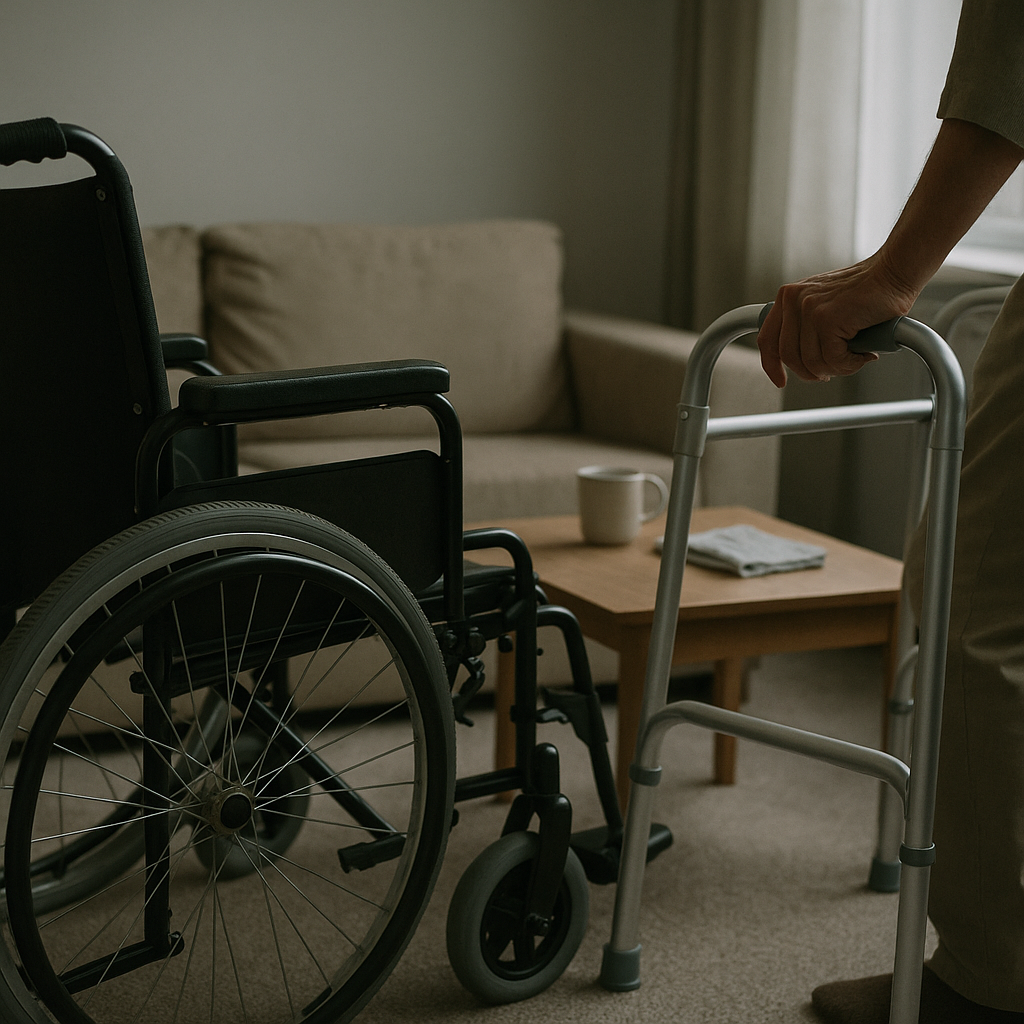
– Mobility Within the Home: Moving between rooms, getting into or out of bed, and navigating stairs may require direct assistance or the use of wheelchairs and mobility aids.
– Meal Preparation and Eating: Handling utensils, opening packages, preparing food, and carrying dishes pose hurdles when grip strength or coordination is compromised.
– Using the Bathroom: Transferring to and from the toilet, personal cleaning, and maintaining privacy can present significant obstacles.
– Managing Medication and Medical Equipment: Remembering schedules, opening pill bottles, and handling medical devices add further complexity to daily routines.
– Household Management: Chores such as laundry, cleaning, and organizing often depend on assistance or delegation.
These challenges can combine to create logistical complexities and emotional responses, including frustration, embarrassment, or feelings of vulnerability.
Practical Coping Systems People Often Use
To navigate the reality of needing help with basic tasks, many develop practical coping systems tailored to their circumstances. These do not provide universal solutions but reflect common adaptive responses:
– Relying on Family, Friends, or Caregivers: Support from loved ones or professional caregivers often forms the backbone of daily routines. This support can involve direct help with personal care, meals, or mobility, and may involve developing new communication patterns to express needs comfortably.
– Acceptance of Adaptive Devices: Individuals may incorporate various assistive technologies, such as grab bars, reachers, transfer benches, specialized utensils, and voice-activated home controls. These devices reduce dependence while enhancing a sense of independence and accomplishment.
– Establishing Consistent Routines: Regular, structured daily routines can reduce unpredictability, helping both individuals and their caregivers to set expectations and monitor progress.
– Reorganizing Living Spaces: Many adapt their homes through rearrangement or modification—widening doorways, adding ramps, and organizing frequently used items within easy reach.
– Participating in Support Networks: Some find solace in connecting with peer groups, whether through formal support organizations or informal community gatherings of those facing similar challenges.
– Utilizing Professional Services: Occupational therapy, rehabilitation support, and home health aides often play a vital role, providing not only hands-on help but also expertise in adapting environments and strategies.
– Leveraging Community Resources: Meal delivery programs, transportation assistance, and in-home support services can contribute to practical daily coping.
These methods do not eliminate the need for help but may foster a greater sense of agency and comfort in navigating everyday life.
How Coping Improves Gradually Over Time
The process of coping needing help with basic tasks is not static. Over time, improvements often occur in both practical capability and psychological adjustment, even if some level of dependence persists. This progression can be marked by subtle milestones as individuals adapt physically and emotionally to their new circumstances.
As recovery advances—whether through physical therapy, gradual healing, or adapting to assistive devices—many experience increased efficiency and confidence in daily routines. This can manifest as a growing ability to anticipate challenges, communicate needs more effectively, or utilize adaptive tools with greater skill. Emotional adaptation can be just as significant: initial periods of grief or frustration may give way to acceptance, resilience, and sometimes even a renewed sense of purpose.
Support systems also evolve. Relationships with family, friends, and caregivers may strengthen or shift as everyone learns to navigate new expectations and boundaries. Engagement in peer and community networks can foster a sense of belonging and offer valuable advice or encouragement.
For some, the process involves re-evaluating personal goals, reassessing priorities, and discovering new interests or aspirations compatible with changed abilities. In many cases, milestones that once appeared out of reach—such as independently managing a meal or moving unaided within the home—become possible through persistent adaptation and support.
Overall, the trajectory of coping is marked by gradual, incremental progress. The combination of physical healing, skill acquisition, emotional adjustment, and environmental adaptation tends to steadily reduce the day-to-day difficulties associated with needing help for basic tasks, even if the journey is rarely linear or predictable.
Neutral Closing Paragraph
The experience of coping with needing help for basic tasks after a severe truck accident involves a complex blend of daily challenges and adaptive strategies. While the adjustment process can be demanding, it is also characterized by gradual change and resilience. Each individual’s journey and the coping systems they adopt are shaped by unique circumstances, ultimately forming a new landscape for daily living. This ongoing process continues to evolve, reflecting both the realities of dependence and the capacity for adaptation over time.