
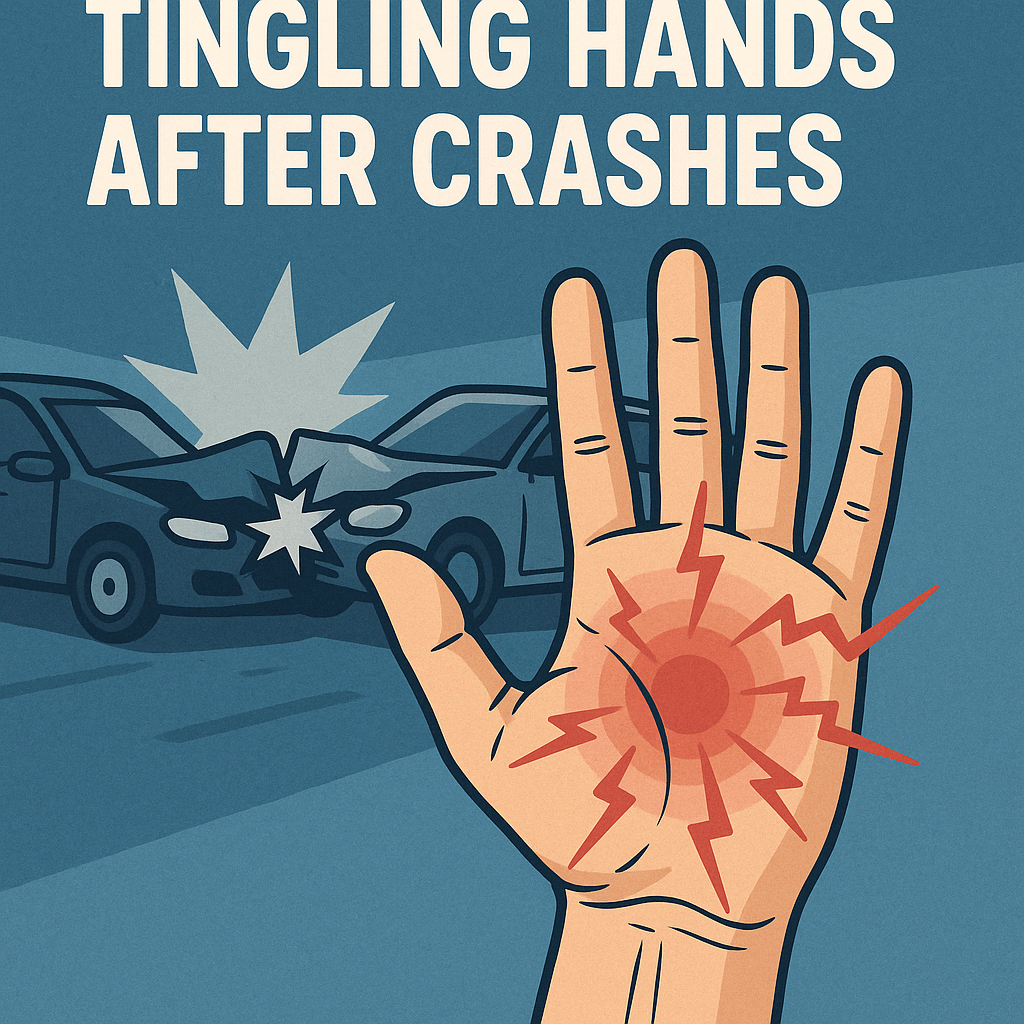
Pain Awareness for Tingling Hands After Crashes
Accidents can be overwhelming and stressful experiences, especially when they involve large vehicles like trucks. In the aftermath, many people focus on major, visible injuries and overlook subtler signs that something might not be right. One such symptom is the sensation of tingling hands after a crash—a feeling that can raise questions and concerns. While this article won’t offer medical instructions or diagnoses, it is designed to shed light on why these symptoms can appear, common patterns people report, how symptoms may evolve, and when individuals typically become more aware of these changes.
Why Symptoms Can Appear After Truck Accidents
Crashes involving trucks often generate enough force to impact various parts of the body—even when the injuries aren’t immediately obvious. The abrupt movement and powerful forces during a collision can cause what experts call “hidden injuries.” Unlike bruises or broken bones, symptoms like tingling hands may not be as easy to understand at first glance.
Physical stressors during a crash:
During a truck accident, the body can be jolted or compressed, particularly the shoulders, neck, and back. These regions are closely connected to nerve paths that control sensation in the hands and fingers. If any of these nerves are compressed, irritated, or stretched during the incident, it may lead to sensations such as tingling, numbness, or a “pins and needles” feeling.
Delayed body response:
In the immediate aftermath of a crash, adrenaline often masks many physical symptoms. The body’s natural response to danger can temporarily conceal or lessen certain complaints, making them appear only hours or days later. This is a common reason why someone may not notice tingling hands after a crash until well after the event.
Common Symptom Patterns (No Medical Instructions)
People who experience tingling hands after a crash often describe a range of symptom patterns. While only a healthcare professional can determine the cause, it can be helpful to understand the types of experiences individuals may report:
– Intermittent tingling: Some notice the sensation comes and goes, often triggered by specific activities such as moving the neck, picking up heavy objects, or maintaining one position for a long time.
– Constant low-level tingling: For others, the sensation might be present throughout the day, though it may be mild enough to ignore at first.
– Tingling with numbness or weakness: Sometimes, the tingling is accompanied by feelings of numbness or a lack of strength in the hand, fingers, or arm.
– Bilateral symptoms: In certain cases, people might feel tingling in both hands simultaneously, while others only experience it in one hand.
– Delayed onset: It’s common for tingling to start hours or days after the crash, rather than immediately at the scene.
Understanding these symptom patterns can assist in personal awareness and meaningful conversations with healthcare professionals, if needed. These reports underscore the wide variety of ways the body might respond following a truck accident.
Why Symptoms Can Change Over Time
One of the challenging aspects of post-accident health is that symptoms can evolve. The tingling sensation may intensify, diminish, or change in character as time goes on. There are several possible reasons for this variability:
– The body’s healing process: As swelling from the accident decreases or as the body begins to repair itself, symptoms may go through stages of improvement or fluctuation.
– Activity levels: Returning to normal routines, lifting objects, or sleeping in different positions may all influence how and when tingling occurs, sometimes causing new episodes or altering existing sensations.
– Recognition and self-monitoring: Sometimes, people become more aware of subtle symptoms as the initial shock of the accident fades. What might have been overlooked at first becomes more noticeable with time.
– Other factors: Emotional stress, fatigue, and changes in weather or temperature can sometimes influence how sensations like tingling are perceived.
This changing nature highlights the importance of ongoing awareness after any crash, even when symptoms initially seem minor or inconsistent.
When People Typically Start Monitoring Symptoms
Many individuals begin to closely monitor their symptoms in the days following a truck accident—often after the initial adrenaline response subsides. It’s not unusual to discover new or worsening feelings, such as tingling hands, during the period between a few hours and several days after the incident.
Common triggers for self-monitoring include:
– Persistent or unusual sensations: When tingling does not quickly resolve or is accompanied by other feelings such as weakness or numbness, people often pay closer attention.
– Changes in daily functioning: Difficulty gripping objects, buttoning clothes, or typing are practical challenges that make symptoms more obvious and harder to ignore.
– Conversations with others: Advice from family, friends, or coworkers who encourage self-care can prompt individuals to reflect on their own well-being and take note of unusual sensations.
– Follow-up evaluations: Scheduled check-ins with healthcare providers after a truck accident often include discussions about new or changing symptoms, prompting people to monitor and report their experiences.
Self-awareness plays a major role in recognizing patterns and understanding the body’s response after a crash. Even seemingly minor sensations should be tracked and considered as part of the larger recovery story.
Neutral Closing Paragraph
Awareness of bodily changes—such as tingling hands after a crash—can be an important aspect of post-accident self-care. While only a qualified healthcare professional can interpret or assess these sensations, being attentive to the body’s signals is a valuable part of the healing process. Everyone’s experience after a truck collision is unique, and understanding the potential onset, patterns, and evolution of symptoms can empower individuals to make informed decisions about their ongoing well-being. Keeping track of symptoms and noticing changes over time helps build a fuller picture and supports effective communication during follow-up evaluations.