
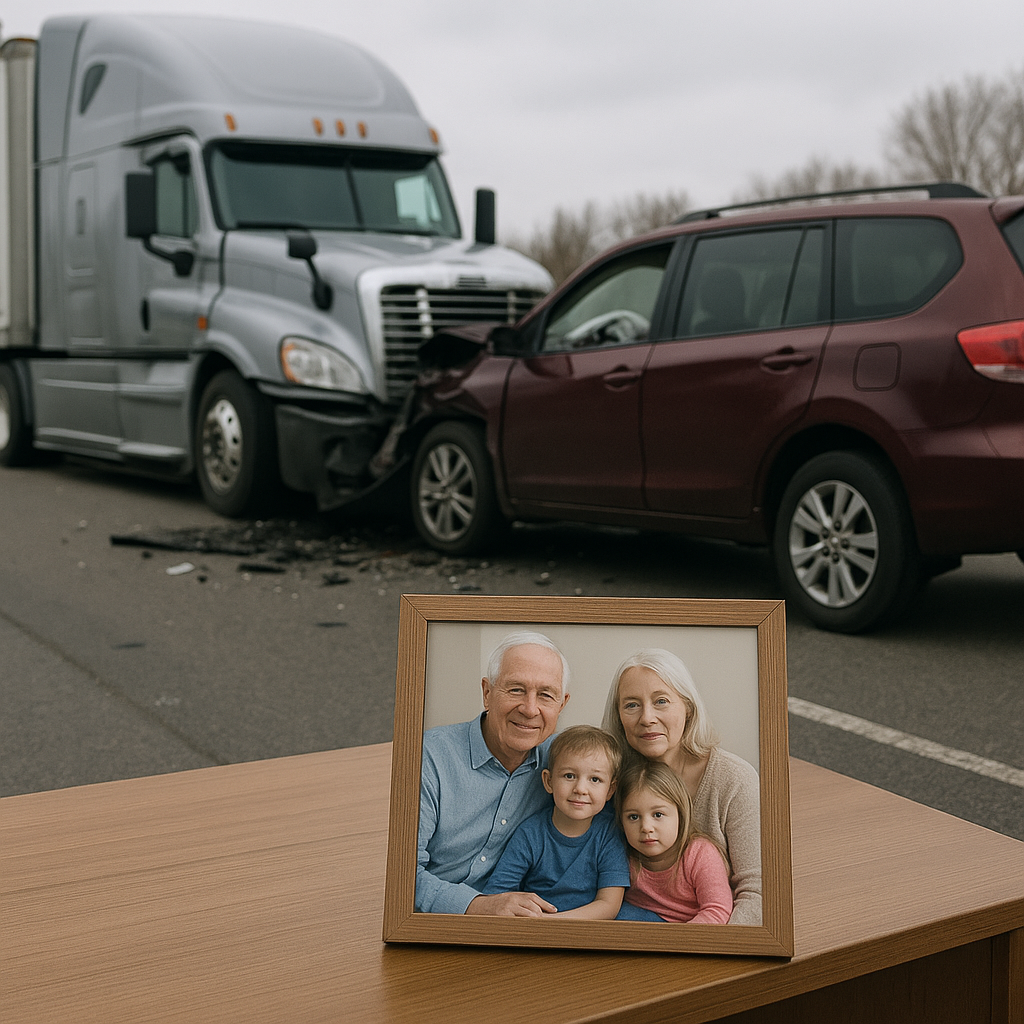
How Grandparents Support Families After Truck Crashes
When a family experiences a truck crash, the effects can ripple out far beyond the immediate victims. Recovery involves not just healing from injuries, but also navigating disrupted routines, shifting roles, and emotional challenges. In these difficult circumstances, grandparents often become a crucial source of support, providing stability, comfort, and practical help. Understanding how grandparents support family truck crash recovery efforts can offer insight into the wider process of healing and adaptation after such life-altering events.
Why Truck Accidents Affect Entire Households
Truck accidents are among the most severe roadway incidents, often resulting in significant injuries or emotional trauma. When a parent or child is involved in a truck crash, the impact naturally extends to every member of the household. Daily life is disrupted—parents may be hospitalized, children’s routines are turned upside-down, and anxieties escalate about recovery and the future.
Because family systems are interconnected, any major shock or crisis affects everyone. It is not just the injured person who needs care; siblings, spouses, and extended family members also face challenges as they process the event and support each other. Households may experience changes in financial stability if the primary earner is unable to work, while emotional strain can intensify as everyone adapts to new realities.
During such times, grandparents frequently step forward to help. Their life experience and strong emotional bonds give them a unique ability to provide both practical solutions and emotional reassurance when families need them most.
Common Family Role Changes
A truck crash can suddenly alter long-established family roles. If a parent is recovering from injuries or managing trauma, their ability to fulfill everyday responsibilities can be compromised. This often necessitates a rapid reshuffling of roles to maintain a stable home environment.
Grandparents often assume new or expanded duties, including:
Childcare: If children’s schedules are disrupted due to their parents’ hospitalization or rehabilitation, grandparents may take over as primary caregivers. They might handle school drop-offs, meals, bedtime routines, and emotional support. Their presence can reassure children, providing familiar faces and consistent care during uncertain times.
Household management: Grandparents may step in to manage the household—shopping, cleaning, cooking, and helping keep the home environment safe and comforting. Their presence helps maintain a sense of normalcy for younger family members.
Emotional guidance: Grandparents can provide invaluable emotional stability. Their own life experience with crises can help younger family members learn resilience and coping strategies. Grandparents often become confidants and provide a safe space for grandchildren or adult children to express concerns and fears.
Financial assistance: Some grandparents contribute financially during periods when accident-related expenses strain the household budget or when injured family members cannot work. Their help, whether through direct financial support or taking care of incidental expenses, can ease some of the stress families face.
Communication Challenges Families Face
Effective communication is critical for families recovering from a traumatic event like a truck crash, but it is not always easy. Changes in roles, heightened emotions, and the stress of uncertainty can complicate how family members share information and feelings.
Here are some common challenges:
Processing trauma at different rates: Family members, including grandparents, process emotional turmoil differently. Some may want to talk about the incident, while others withdraw or seek to suppress their emotions. This mismatch can lead to misunderstandings or feelings of isolation.
Protective instincts: Grandparents may try to shield grandchildren—or even adult children—from distress by downplaying the situation or avoiding difficult topics. While well-intentioned, this can sometimes prevent important issues from being addressed.
Generational differences: Differences in communication styles between generations can create friction. For example, older family members might emphasize stoicism, while younger ones may seek open emotional expression. Navigating these differences requires patience and mutual understanding.
Logistical coordination: Truck crashes often involve lengthy periods of medical appointments, therapy, and household readjustment. Coordinating schedules, updates, and caregiving responsibilities can result in miscommunications or added stress.
Despite these challenges, many families find ways to communicate more effectively over time. Grandparents, with their perspective and maturity, can often model healthy communication strategies and encourage respectful, open dialogue.
Long-term Emotional Adjustment Patterns
The emotional impact of a truck crash does not disappear after the initial recovery phase. Instead, families undergo a gradual process of adjustment, marked by periods of progress and setbacks as life settles into a new rhythm. Grandparents play an important role in this ongoing journey.
Some patterns of long-term adjustment include:
Ongoing support and encouragement: Grandparents’ ongoing presence provides reassurance to the family, helping to reinforce a sense of stability and continuity. Their encouragement during setbacks, or when frustration mounts, can make a meaningful difference to both children and adults.
Modeling resilience: Grandparents often demonstrate resilience through their actions and attitudes. Their ability to adapt to household changes, offer constructive perspectives, and remain hopeful in the face of adversity is invaluable. This example can inspire family members to adopt similar coping mechanisms.
Processing grief and trauma: Truck crashes sometimes involve long-lasting physical and emotional scars. Whether coping with visible injuries or invisible trauma, grandparents can be instrumental in identifying when professional help is needed, offering a listening ear, or facilitating open conversations about grief and recovery.
Maintaining family traditions: Even as routines change, maintaining familiar family rituals—such as holiday gatherings, weekly dinners, or shared hobbies—can restore a sense of normalcy. Grandparents are often the custodians of these traditions, using them to help anchor the household through periods of transition.
Supporting new family structures: In cases where roles shift permanently, such as a parent living with chronic injury or disability, grandparents can help the family embrace new routines without losing its sense of identity. Their adaptive, supportive attitude helps families redefine themselves in a positive way.
Closing Thoughts
In the aftermath of a truck crash, families face a challenging process of recovery and adaptation. The involvement of grandparents goes far beyond temporary help; their support can be central to how successfully a family navigates both practical challenges and emotional healing. By stepping into new roles, providing steady encouragement, and modeling resilience, grandparents help loved ones rebuild routines and regain their sense of balance. Understanding and appreciating the many ways grandparents support family truck crash recovery can foster greater compassion and strength within affected households, paving the way toward a brighter future.