
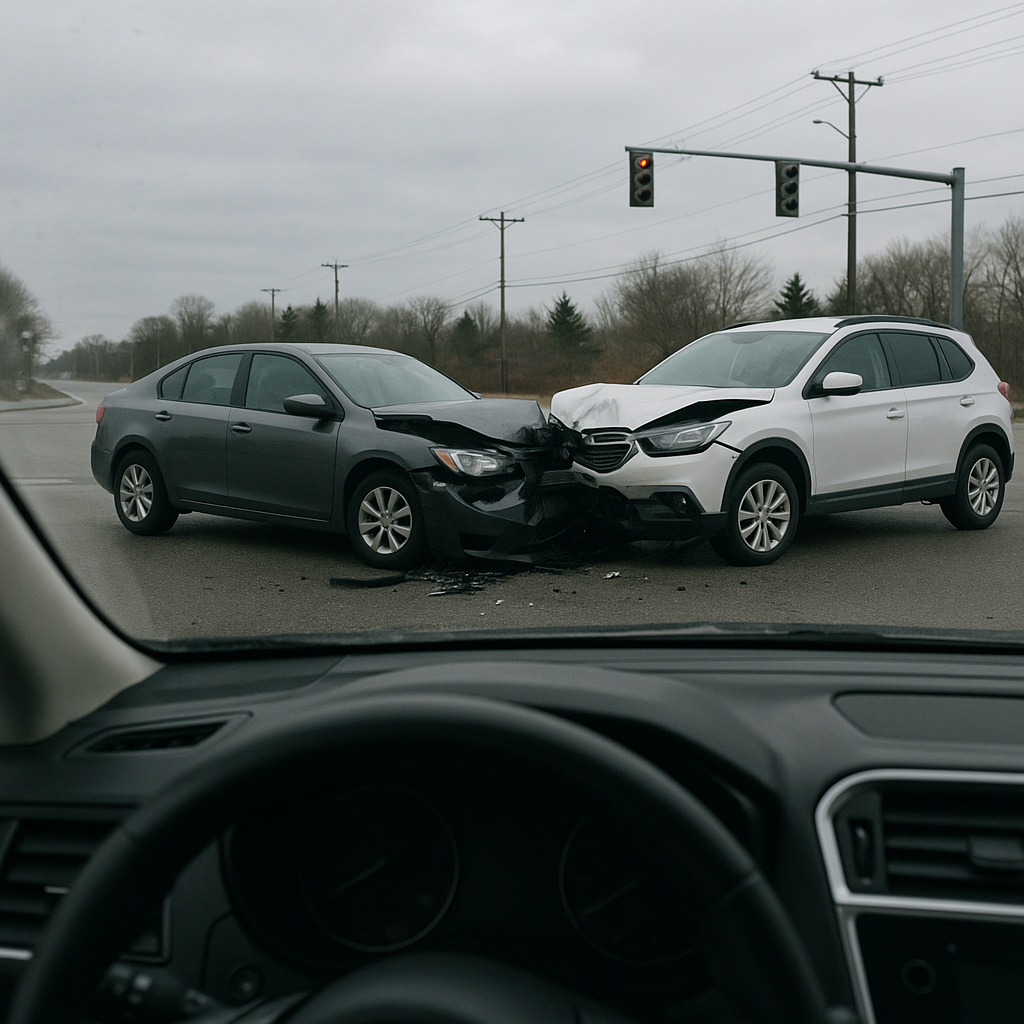
Why Do I Feel on Edge Around Other Drivers?
After a car accident, many people find themselves wrestling with a mix of emotions and heightened alertness, especially when they get back behind the wheel. The question, “Why do I feel on edge around other drivers?” surfaces frequently among individuals who have experienced a collision. This sense of edginess or nervousness is not uncommon, and understanding its underpinnings can offer reassurance and clarity.
Why This Question Is Common After Severe Accidents
Experiencing a car accident—especially one that is severe or traumatic—can temporarily alter a person’s relationship with driving and road environments. The event itself often comes with physical and emotional shocks that don’t dissipate immediately. In the aftermath, people might notice a heightened worry or agitation when sharing the road with other drivers.
This question emerges so often because survival instincts come sharply into play when safety is threatened. Someone who has gone through a crash may find they are suddenly hyper-aware of their surroundings in traffic, noticing every sudden brake light or unexpected lane change. Others may become sensitive to behaviors in other drivers that they previously overlooked. It’s common for memories of the crash to resurface in these scenarios, reinforcing a sense of caution or tension.
The roads themselves can serve as reminders of the event, prompting self-reflection and sometimes self-criticism. People often wonder if their reactions mean something is wrong with them, or if their caution will ever dissipate. The shared experience of asking, “Why do I feel on edge around other drivers?” highlights that this response is typical among those recovering from a crash.
Clear Neutral Explanation
Feeling “on edge around drivers after a crash” often reflects how the human mind and body process threatening experiences. When someone goes through a traumatic event, such as a collision, the brain encodes memories in a way meant to enhance future safety. This process—sometimes described as a learning mechanism—prepares the person to notice potential risks on the road, sometimes resulting in heightened vigilance.
This vigilance can manifest as sensitivity to sounds, movement, or unexpected changes in traffic patterns. The body may respond with physical cues: faster heartbeat, shallow breathing, or tense muscles. These are normal, automatic reactions as the nervous system remains ready to protect itself from possible danger.
The perception of risk is recalibrated after a crash. Where driving once felt routine, it now demands a higher level of alertness, often because the brain is working to prevent a similar situation. While these reactions can feel uncomfortable, they are not abnormal. They reflect the mind and body doing their best to adjust to a changed understanding of road safety.
Helpful Emotional Context
The emotional context of feeling “on edge” is often complex. Common feelings might include anxiety, frustration, or even anger—not just at other drivers, but sometimes at oneself. There may be a sense of lost confidence or lingering worry about the unpredictability of traffic.
Emotions can fluctuate from day to day. Some people find that heavy traffic, highway driving, or intersections can provoke stronger reactions than quieter roads. Others notice discomfort increases during certain weather conditions or at particular times of day.
Beneath the surface, there may also be feelings of vulnerability, as the crash may have interrupted a previously held belief that “it couldn’t happen to me.” In addition, concern for loved ones might surface while driving together, amplifying the careful watchfulness of other motorists’ behaviors. People sometimes experience guilt or self-blame, especially if they were involved in a multi-vehicle crash.
A supportive environment—whether from friends, family, or understanding co-drivers—can help normalize these emotional responses. Over time, the mind and body gradually adapt, and the sense of heightened alertness may settle as confidence returns.
Common Misconceptions
Several misconceptions circulate about feeling “on edge around drivers after crash.” One frequent misunderstanding is the belief that feeling nervous means someone is a “bad” or “unsafe” driver. In fact, heightened caution is the body’s natural response to a recent threat, not a reflection of personal failure.
Another misconception is that this feeling should disappear quickly, or that it reflects a lack of resilience. In reality, the adjustment period varies for everyone, and each person copes in their own way.
A third belief is that only people who caused the accident will feel on edge afterward. However, passengers and drivers who were not at fault can also experience these feelings. The emotional and physical response is less about blame, and more about the shock to personal safety and the unpredictability of road environments.
It’s also common to fear that feeling unsettled will never go away. While these feelings might be persistent for a time, most people notice a gradual reduction in their intensity with continued exposure to driving.
Closing Paragraph
Asking, “Why do I feel on edge around other drivers?” after a crash is both a natural and widespread response. The heightened alertness reflects the body’s adjustment to an unsettling event and is reinforced by emotional complexities that accompany any kind of trauma. Misunderstandings about this response are common, but understanding its roots can bring reassurance. Over time, as routines resume and confidence grows, most people find their sense of safety gradually returning behind the wheel.