
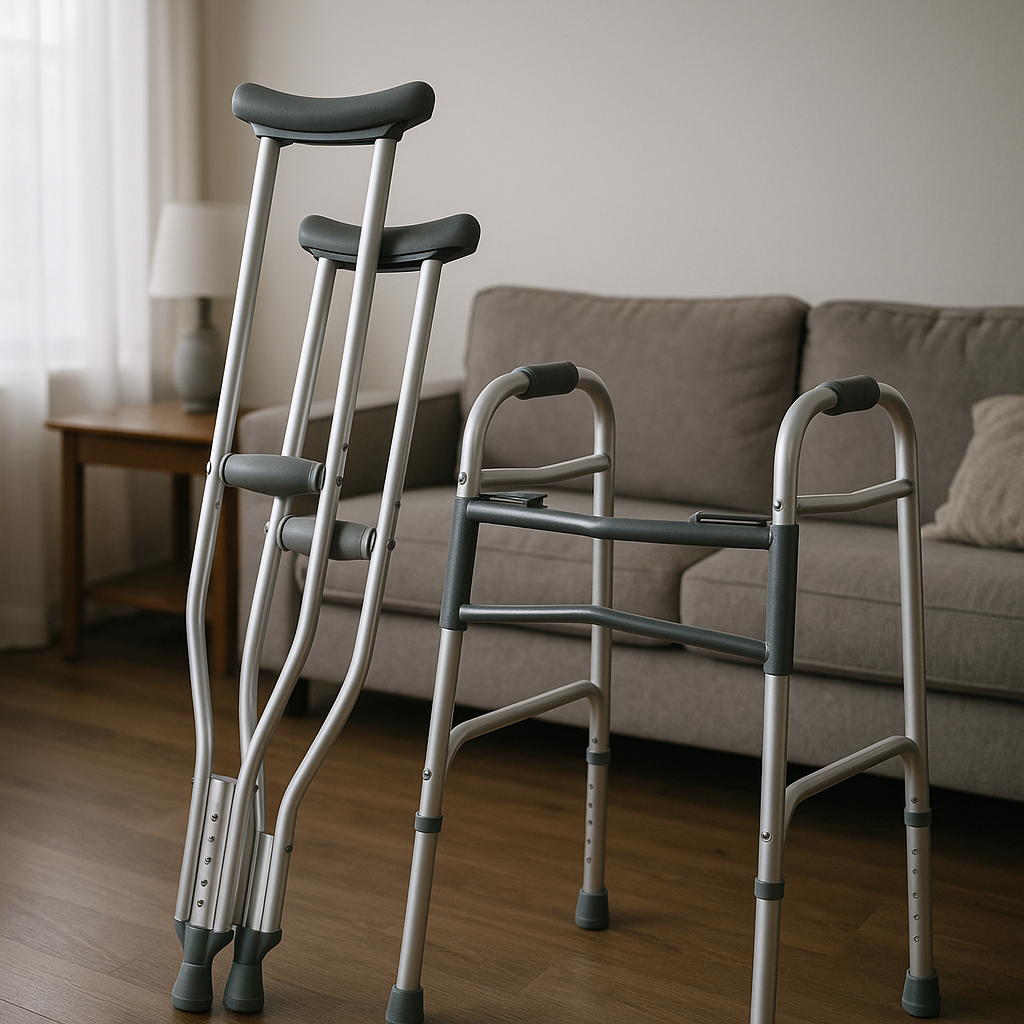
Daily Coping with Crutches or Walker
Overview of Daily Coping Challenges After Severe Truck Accidents
Major truck accidents frequently result in bone fractures, joint injuries, or other mobility-impairing conditions. Individuals who have endured such accidents often require crutches or a walker during a lengthy recovery period. The need to rely on these mobility aids fundamentally shifts how a person navigates their daily routine. From physical limitations to emotional hurdles, adapting to life with crutches or a walker introduces new coping challenges that touch nearly every aspect of daily existence.
The act of moving from one place to another, once done with little thought, evolves into a carefully planned endeavor. Each day brings obstacles that require adaptation, resilience, and a willingness to re-learn basic activities. The journey toward recovery is not only about physical healing but also about discovering new strategies for managing daily life with changing abilities.
Common Daily Difficulties
Relying on crutches or a walker after a severe injury presents a range of daily struggles that can affect independence and well-being. Here are some of the most commonly reported difficulties:
– Limited Mobility: Travel within the home or public spaces often becomes significantly slower and more exhausting.
– Managing Doors and Stairs: Navigating thresholds, stairs, and narrow spaces can feel especially challenging. Balancing while trying to open doors or use elevators often requires extra effort.
– Personal Care Tasks: Activities such as bathing, dressing, or using the restroom may demand more time and creativity to carry out safely and comfortably.
– Fatigue and Discomfort: Supporting body weight with arms, shoulders, or hands can lead to muscle soreness and fatigue. Prolonged use of crutches or a walker can result in blisters, calluses, or even wrist pain.
– Carrying Items: Carrying objects—such as food, drinks, or personal items—while keeping hands on mobility aids is often impractical and sometimes unsafe.
– Navigating Crowded Areas: Crowded or cluttered environments increase the risk of bumps, trips, or falls.
– Accessibility Barriers: Unexpected obstacles such as curbs, uneven surfaces, or lack of ramps can present physical and logistical difficulties.
– Emotional Strain: Feelings of dependency, frustration, or isolation may arise, particularly when activities that were routine become complex or require assistance.
These daily hurdles combine to make each day unpredictable and can contribute to frustration, stress, or feelings of vulnerability.
Practical Coping Systems People Often Use
While the specific coping crutches walker daily routines may vary between individuals, a variety of strategies and support mechanisms frequently emerge as people adapt to their temporary or long-term reliance on these mobility aids. The following systems are observed among those adjusting to life post-injury:
– Home Adjustments: Many individuals and families rearrange furniture to create clear, obstacle-free pathways, making it easier and safer to navigate rooms. Placing essential items within easy reach and minimizing the need for unnecessary movement often proves beneficial.
– Workarounds for Carrying Items: Use of backpacks, fanny packs, or clothing with deep pockets helps some people transport small belongings around the house or out in public. Trays attached to walkers, or baskets designed for mobility aids, are commonly utilized.
– Taking Frequent Rest Breaks: To combat fatigue and muscle strain, pausing frequently throughout the day for rest becomes a natural part of the routine. Scheduling downtime allows for energy conservation and helps prevent over-exertion.
– Adaptive Equipment Use: Shower steats, raised toilet seats, non-slip mats, and grab bars are frequently installed in bathrooms to support safer self-care. Bedside commodes or portable stools also find use during this period.
– Strategic Planning: Tasks away from home, such as grocery shopping or attending appointments, are often consolidated or planned for specific times when energy levels are highest. Some people rely on support from family members, friends, or community services for errands.
– Emotional Self-Management: Engaging with peer support groups, connecting with others who share similar experiences, or seeking professional mental health assistance are coping tools frequently employed to manage the emotional impact of the situation.
– Utilization of Technology: Delivery apps for groceries, medications, or meals can significantly reduce the need for frequent outings. Video calls help maintain important social connections.
Each of these approaches reflects the adaptive creativity and problem-solving skills individuals develop to manage the multifaceted challenges of coping crutches walker daily.
How Coping Improves Gradually Over Time
The early days of recovery are often marked by steep learning curves, both physically and emotionally. Adapting to crutches or a walker involves not only developing new muscle memory but also shifting expectations about how daily activities are approached. Over time, however, patterns emerge that point to steady progress.
People using crutches or a walker generally become more adept at maneuvering through their environments. Familiarity with mobility aids grows, balance improves, and confidence increases. Certain tasks that were initially overwhelming—such as navigating stairs or managing personal hygiene—often become more manageable with regular practice.
Physical stamina typically builds gradually as people become accustomed to supporting part or all of their body weight in new ways. In addition, as muscle soreness and minor injuries (such as blisters or hand pain) are addressed, discomfort tends to lessen.
Psychologically, a sense of autonomy can increase over time. Through trial and error, individuals may discover what systems and routines best suit their needs. Often, frustration and moments of discouragement are gradually replaced by a sense of accomplishment as barriers are overcome and independence reasserts itself.
Support networks may also strengthen as family, friends, and caregivers learn alongside the person coping crutches walker daily. This deeper mutual understanding can benefit both practical day-to-day functioning and emotional well-being.
Recovery timelines vary, but overall, the coping process usually becomes less burdensome as mobility and adaptability develop. Being able to witness and track progress regularly contributes to a sense of hope and motivation throughout the recovery period.
Neutral Closing Paragraph
The process of daily coping with crutches or a walker is multifaceted, involving physical, emotional, and practical considerations. While initial challenges can be significant, people commonly adjust by developing unique routines and support systems tailored to their specific environments and needs. Improvements in coping skills often occur gradually, reflecting both personal adaptation and the supportive role of others. Regardless of the duration of recovery, this experience can reveal resilience and resourcefulness in navigating new circumstances.