
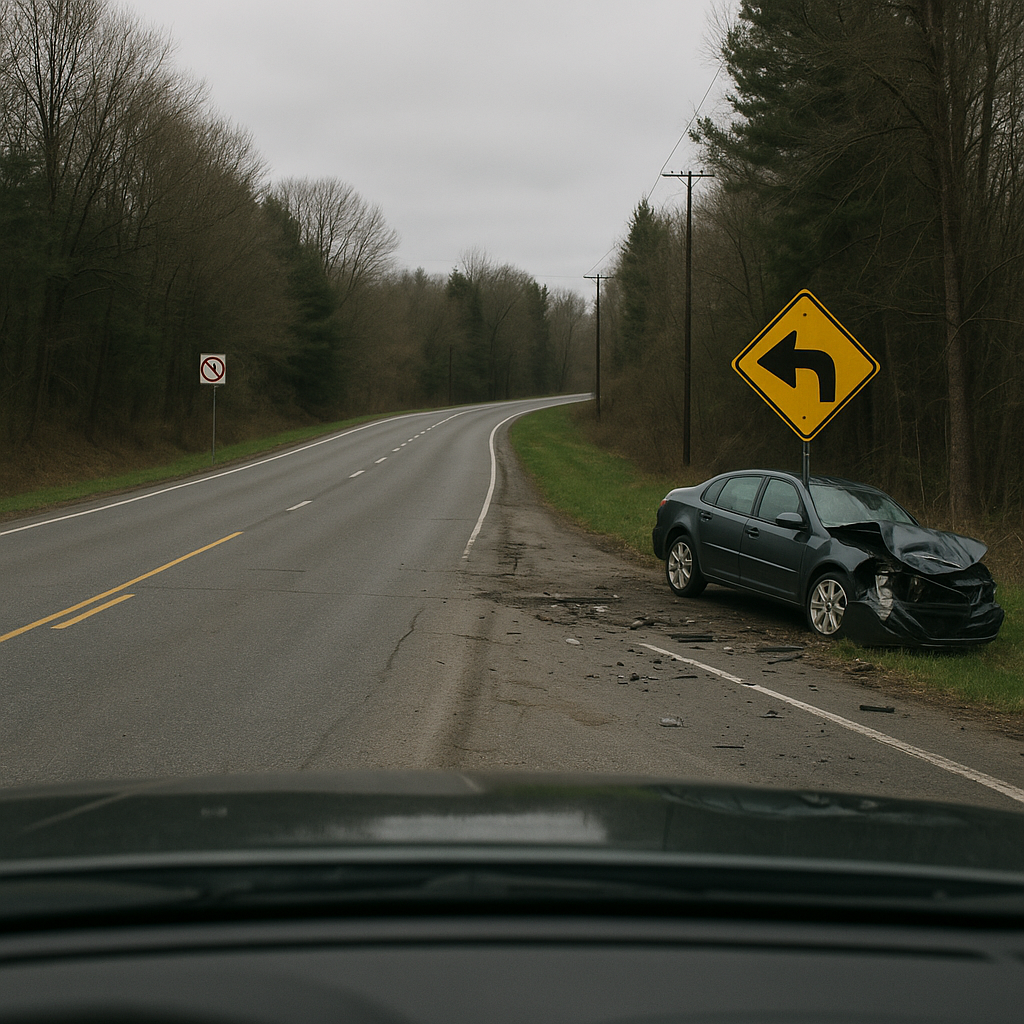
Why Do I Avoid Driving Routes Where the Crash Happened?
Why This Question Is Common After Severe Accidents
Surviving a severe accident is a deeply life-changing experience. In the weeks and months afterward, it’s natural for certain routines to change, including driving habits. One question many people ask themselves is, “Why do I avoid driving routes where the crash happened?” This feeling isn’t unusual—many individuals find themselves rerouting their commutes or taking longer paths simply to avoid the location tied to a traumatic memory. Understanding why this question arises can offer reassurance that these responses are common and experienced by people from all walks of life.
The specific route where a crash took place can become linked to distressing memories or emotions. As a result, returning to that location may bring up emotional responses that are difficult to control or anticipate. Because driving itself requires attention and focus, anything that increases anxiety can understandably influence route choices. When considering all these factors, it’s clear why so many people reflect on and question their own tendency to avoid crash route driving.
Clear Neutral Explanation
Avoiding the driving route where a crash occurred is a reaction rooted in the mind’s natural response to stress and trauma. After a frightening event, the brain catalogs various cues—sights, sounds, smells, and locations—associated with the incident. This process, known as associative memory, means that even just passing through the site of the accident may trigger reminders of what happened, sometimes accompanied by physical symptoms like an increased heart rate or uneasiness.
This response isn’t a conscious decision to “run away” from the route, nor does it mean someone is overreacting. It’s simply a protective mechanism. The mind seeks to reduce discomfort and avoid reminders of distress, aiming to keep the individual feeling safe. For many, this translates to a strong preference for taking alternative routes, even if these routes are less direct or more time-consuming.
Transportation patterns aren’t set in stone, and changes after a traumatic event are fundamentally a form of adaptation. Repeated exposure to the trigger—meaning, in this case, the crash site—could eventually lessen the distress for some, while others may continue to find the avoidance preferable. Both reactions are within the range of typical human responses to trauma.
Helpful Emotional Context
On an emotional level, the preference to avoid crash route driving is often influenced by memories that are vivid and sometimes overwhelming. If returning to the site recalls sights and sounds from the day of the crash, feelings such as fear, sadness, or anger may bubble up, even if the accident has long since passed. These emotional reactions are shaped by the body’s fight-or-flight response and are not purely logical—they’re deeply intertwined with lived experience.
Often, specific places become symbols in the mind, indicating not just a spot on a map, but a turning point in life. Driving past that location might summon not only the memory of the event itself, but also any challenges involved in recovery and adjustment afterward. The emotions aren’t “chosen;” they arise naturally in response to powerful memories. In this context, avoiding the route serves as a way to create emotional distance from an event that was overwhelming and painful. Choosing a different path is less about inconvenience and more about honoring the strong emotions tied to recovery.
Common Misconceptions
There are several misconceptions about why people avoid the route where a crash happened. One common misunderstanding is that this avoidance is a sign of weakness or irrational fear. In reality, altering driving habits after a traumatic event is a common pattern, grounded in both psychological understanding and lived experience. Trauma impacts people in many ways that aren’t always visible, and adjustments to daily routines are simply one manifestation.
Another misconception is that returning to the crash site is necessary to “prove” recovery or bravery. While some may find revisiting the route to be meaningful or healing, others do not. The reality is that choosing a different route is neither an admission of defeat nor an avoidance of life’s challenges—it is simply a personal preference, shaped by one’s comfort level and emotional needs.
There’s also the assumption that with enough time, everyone will naturally “get over” the need to avoid certain routes. However, emotional healing doesn’t adhere to a set timeline. For some, the memory of the crash may fade, and the route may become just another road; for others, the emotional charge may linger. Both responses are valid and do not make one experience more real or legitimate than the other.
Closing Paragraph
Choosing to avoid the driving route where a crash occurred is a deeply personal response, grounded in the interplay between memory, emotion, and daily routine. Far from being uncommon or irrational, it reflects a natural, adaptive way that people respond to trauma. Memories tied to specific places can linger, influencing decisions about which roads to travel. Ultimately, whether the route is eventually revisited or permanently bypassed, the act of avoiding it says much about the importance of self-care during the ongoing process of recovery and adjustment.