
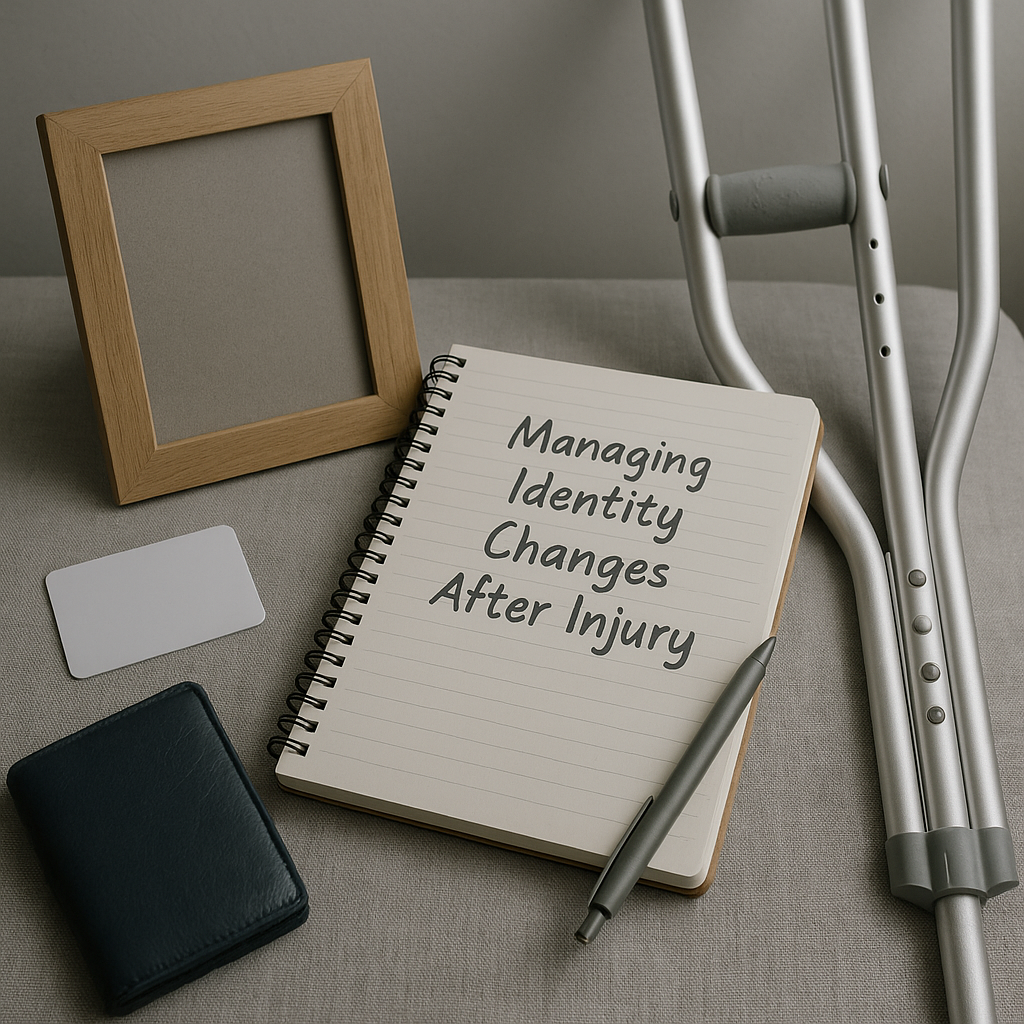
Managing Personal Identity Changes After Injuries
Overview of Daily Coping Challenges After Severe Truck Accidents
Severe truck accidents can result in life-altering injuries, fundamentally changing a person’s body, mind, and sense of self. In the aftermath, survivors often confront shifts in their daily routines and long-term plans. The process of managing identity changes after injury can be complex, involving challenges that span both visible and hidden realms of life.
Daily coping challenges are often about much more than physical recovery. The psychological aftermath might be just as profound, influencing an individual’s confidence, sense of purpose, and relationship to their pre-injury identity. Routine activities—once taken for granted—can feel foreign. Adjusting to new limitations, dealing with social interactions, or confronting internal dialogues about self-worth become significant parts of each day.
Common Daily Difficulties
Survivors of serious truck accidents and other traumatic injuries commonly encounter a variety of day-to-day challenges. These can include physical barriers, social obstacles, and emotional hurdles, all contributing to the experience of identity change. Typical challenges people might face are:
– Physical Limitations: Tasks such as bathing, dressing, driving, or cooking may become significantly more complex or require new methods, tools, or assistance due to pain, reliance on mobility devices, or loss of coordination.
– Cognitive and Emotional Shifts: Changes in memory, attention span, or processing speed can impact work performance, academic pursuits, or previously enjoyed hobbies. Emotional shifts—such as feelings of anxiety, frustration, or sadness—may also be more prevalent.
– Altered Body Image: Physical injuries may leave visible marks or result in altered physical function, leading to a struggle with self-image and self-esteem, especially during social encounters.
– Changes in Dependence: Previously independent people may now have to request or accept help from friends, family, or professional care providers, potentially affecting their sense of autonomy.
– Role Adjustments: Injuries may necessitate changes to central roles in life—such as employee, parent, or partner—causing a reevaluation of one’s place in the family, workplace, or wider community.
– Social Interaction Differences: Visible injuries or mobility aids can change the dynamics of social interactions, leading to awkward conversations, avoidance by others, or even insensitivity.
– Fatigue and Sleep Disruption: Both physical and emotional stressors may contribute to ongoing exhaustion or difficulty sleeping, influencing mood and cognitive functioning during daily life.
These daily difficulties often interact with each other, creating a complex web of coping challenges that influence how an individual experiences their sense of self after injury.
Practical Coping Systems People Often Use
In the process of managing identity changes after injury, individuals frequently develop or adopt coping systems suited to their unique circumstances. Rather than providing clear-cut advice, this section explores common methods people utilize in adapting to their new reality:
– Support Network Utilization: Many rely more closely on friends, family, or support groups to discuss their experiences, share burdens, or receive encouragement. Peer support or talking with others who have been through similar events often provides validation and a sense of belonging.
– Routine Adaptation: Survivors frequently re-structure their days, prioritizing essential activities and introducing scheduled breaks to manage energy levels and pain. This alternative approach to daily life can help regain a sense of order and agency.
– Assistive Tools and Technology: Modified vehicles, kitchen aids, adaptive clothing, or speech-to-text devices become integral to daily living. Embracing these tools can promote independence and reduce frustration.
– Personal Reflection or Expression: Journaling, creative writing, art, or music often serve as outlets for processing change and loss, contributing to self-understanding and emotional regulation.
– Therapeutic Engagement: Professional resources—such as counseling, occupational therapy, or support from psychologists—are commonly sought for addressing emotional, cognitive, or behavioral changes. These interventions provide a structured space to navigate evolving self-perceptions.
– Reframing and Remembrance: Some survivors reflect on their pre-injury identity, comparing past and present selves not to mourn, but to recognize resilience and adaptability. This process can foster a more balanced or even positive view of one’s new identity.
– Mindfulness and Relaxation Practices: Approaches such as meditation, breathing exercises, or gentle movement (like yoga or tai chi, when appropriate) are sometimes incorporated to manage stress and enhance present-moment awareness.
– Engagement in Community or Purposeful Activities: Volunteering, advocacy, or returning to meaningful projects—even in modified form—often plays a significant role in reconstructing identity and reconnecting with valued roles.
People rarely rely on a single strategy. Instead, they draw on a combination of coping mechanisms, adjusting them to fit their evolving needs and goals throughout recovery.
How Coping Improves Gradually Over Time
Adjustment to an altered sense of self is rarely immediate. In the weeks, months, and even years following severe injuries, individuals may notice a gradual improvement in their ability to cope with both practical tasks and identity-related changes. This process often unfolds in small, cumulative steps.
Early in recovery, challenges can seem overwhelming, and the loss of the “old self” may feel acute. Over time, however, many individuals develop greater self-awareness and acceptance. The ability to adapt routines, utilize support systems, and find new sources of meaning often grows with experience. Progress might be marked by moments of accomplishment or realization—such as mastering a new skill, reconnecting with friends, or finding fulfillment in an adapted activity.
With repeated practice, coping systems become ingrained, and former stressors may decrease in intensity. The ongoing nature of recovery allows for refining strategies: what once felt awkward or daunting can feel routine as individuals gradually build confidence and resilience. Importantly, this improvement is rarely linear; setbacks and frustrations are common, but most people report that over time, managing identity changes after injury becomes less overwhelming and more integrated into daily life.
Neutral Closing Paragraph
Adjusting to personal identity changes after serious injuries is an ongoing journey that unfolds differently for everyone. Although the road to adaptation is marked by significant challenges, it is also a process characterized by resourcefulness, growth, and resilience. Understanding both the nature of daily difficulties and the coping systems commonly used offers valuable insight into how survivors gradually rebuild and redefine their sense of self in the wake of life-changing events.