
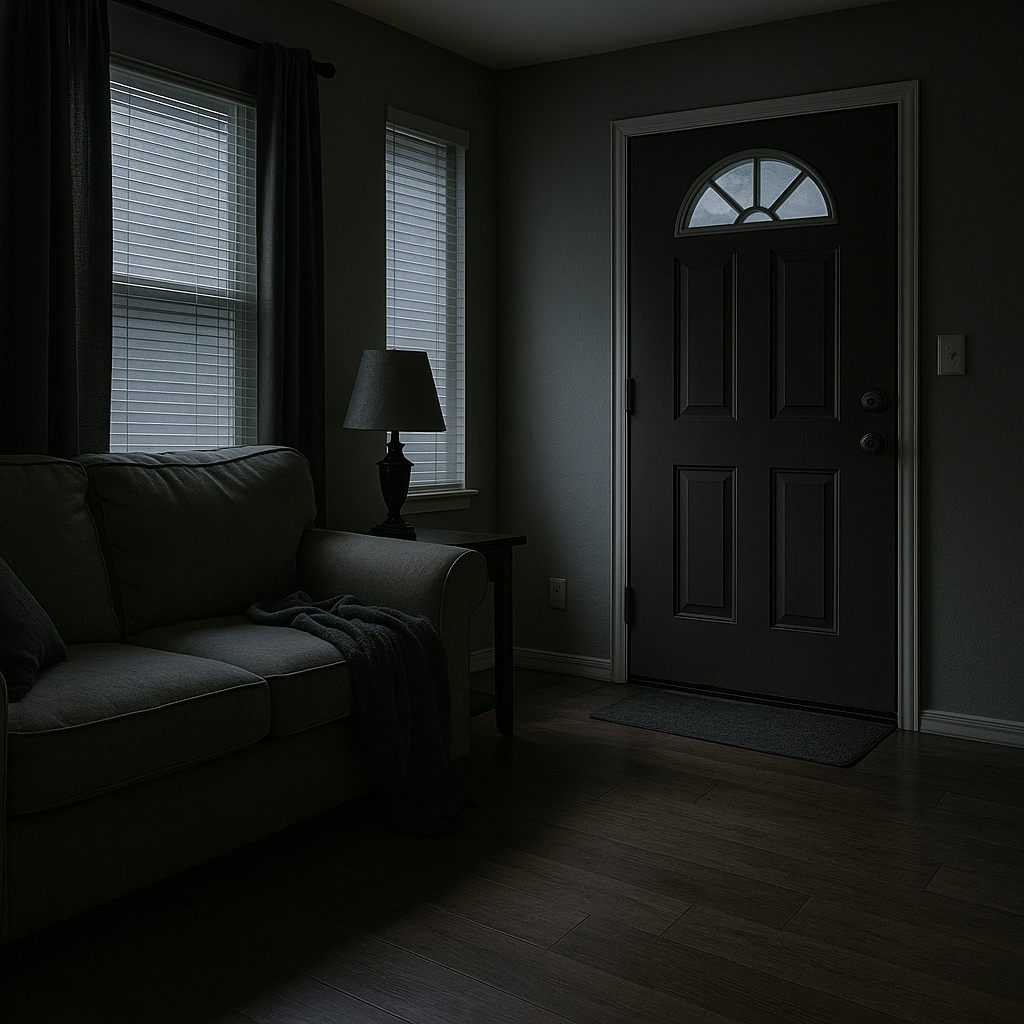
Feeling Unsafe Even When You Are Home
Experiencing unsettling feelings of insecurity at home can be confusing and distressing, especially for those recovering from a traumatic event such as a truck accident. Home is usually seen as a place of comfort and safety, yet it can feel like a different environment when the mind and body are processing the aftermath of shock and trauma. Understanding why it feels “unsafe at home” after such an event may help to normalize this experience and foster a gentle path towards adjustment.
Overview of Shock and Trauma After Truck Accidents
Truck accidents can be particularly impactful, given the scale, noise, and suddenness of the experience. Even after leaving the scene and returning to the presumed security of home, many people find themselves anxious, jumpy, or ill at ease. Such feelings are not uncommon. Thanks to advancements in the understanding of trauma, it is now known that the brain and body can carry a sense of danger well beyond the initial incident.
Shock is the body’s immediate response to an overwhelming event. It is not limited to physical sensations but extends to emotional and cognitive states as well. Trauma, which can develop when the shock is unresolved, often involves reliving the fear and helplessness experienced during the incident. This means that even at home—far from traffic and noise—memories and emotions can provoke the sensation of being threatened, as if the event could happen again at any moment.
Why the Body and Mind React This Way
These reactions are not a sign of weakness or failure to “move on.” Instead, they are rooted in the body’s complex mechanisms for survival and adaptation. When encountering danger, the nervous system automatically shifts into a state of high alert. This reaction, often referred to as “fight, flight, or freeze,” is designed to protect the individual from harm.
After a traumatic incident like a truck accident, the body and mind may remain on alert, even in the absence of any immediate danger. This hypervigilance can make ordinary environments, such as one’s own home, feel unfamiliar or unsafe. The brain perceives threats more readily, and the body may react with tension or anxiety even to harmless triggers. In a sense, the protective systems that kept you safe during the incident can continue working overtime long after the worst is over.
Common Reactions People Experience
Post-accident responses vary widely, but several common reactions are often observed among those who feel “unsafe at home” after trauma:
– Heightened anxiety: Ordinary sounds or movements, like footsteps or closing doors, may provoke startle reactions or unease.
– Difficulty sleeping: Nighttime can feel especially vulnerable, leading to trouble falling or staying asleep.
– Intrusive memories: Thoughts and recollections of the accident may surface unexpectedly, making it hard to relax even in familiar settings.
– Loss of interest in home activities: The home, once a comforting place, may now feel foreign or even threatening, reducing the desire to engage in usual routines.
– Increased irritability or mood changes: Emotions might fluctuate more readily, with bursts of frustration or sadness arising seemingly out of nowhere.
– Avoidance behaviors: Some may avoid certain rooms, sounds, or routines that remind them of the accident or the feeling of vulnerability.
How These Reactions Can Change Over Time
In the days and weeks following a traumatic event, heightened alertness and worry are common and, in many ways, expected. For some, these feelings diminish over time as the nervous system gradually returns to a baseline state and the event becomes a memory rather than an ongoing source of fear.
For others, the sense of being “unsafe at home” may persist longer, or may even shift in character. Sometimes, initial shock gives way to emotional numbness or a sense of detachment from one’s surroundings. In other cases, new triggers may appear, causing old patterns of worry to resurface. The path through trauma is not linear; good days can be followed by more challenging ones without any clear reason.
Over time, people may notice gradual improvements. The body may become less reactive, and the mind more able to distinguish between real and perceived threats. Small changes in routine, growing comfort with familiar spaces, and regaining a sense of predictability in daily life often signal adaptation and healing. However, it is not unusual for some reminders of the accident to linger, particularly in times of stress or significant anniversaries related to the event.
Closing Reassurance Paragraph
It’s understandable to feel unsettled at home after a traumatic incident such as a truck accident. These reactions are recognized by experts as part of the broader process by which the mind and body adjust to unexpected change or danger. Everyone responds differently and at their own pace. With time and understanding, many individuals discover new ways to relate to their home environment, even if challenges remain. This experience reflects the body’s natural efforts to protect itself—and in this, no one is alone.