
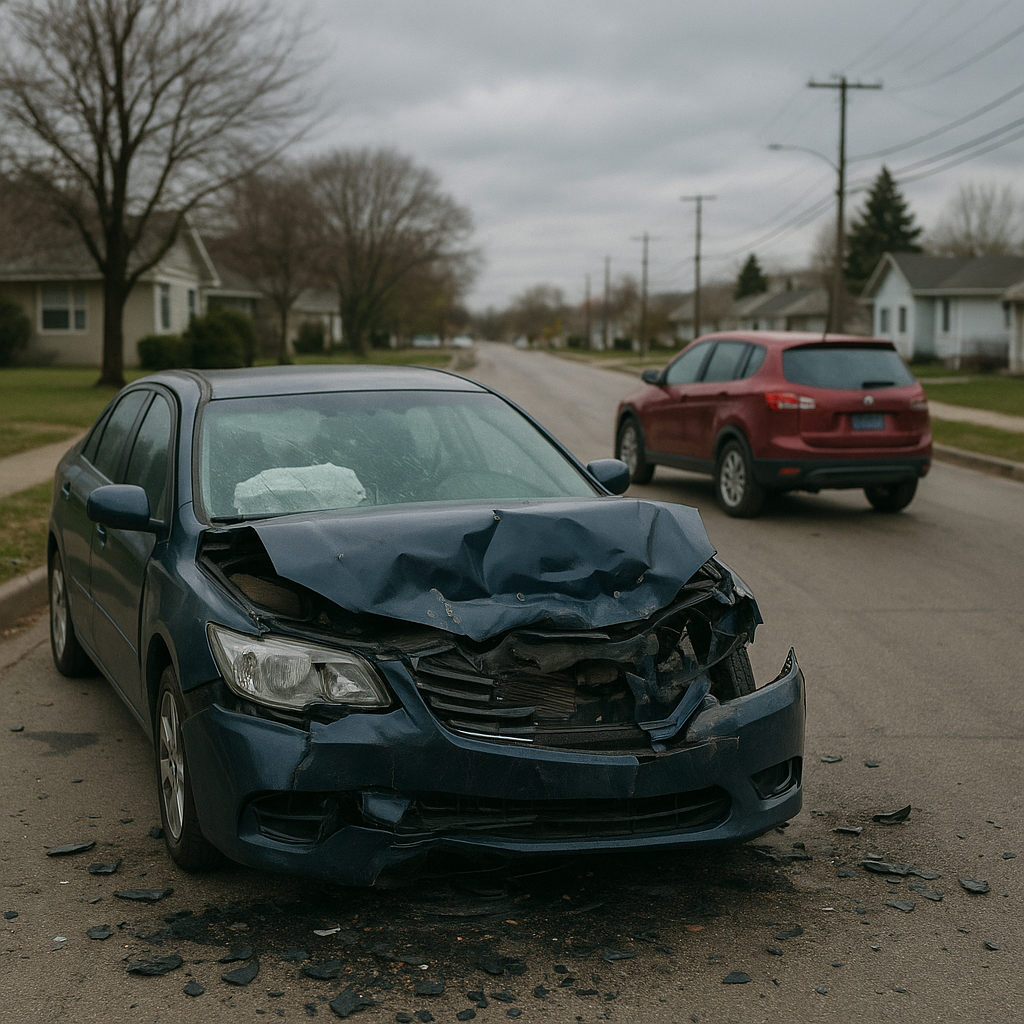
Why Trauma Memories Feel Vivid
Trauma can wield a powerful influence over memory. For many people, especially those who have experienced intense events like truck accidents, memories of what happened can remain strikingly vivid long after the event itself has passed. The details may seem unusually sharp, persistent, or even intrusive. This article will explore why vivid trauma memories occur, focusing on the impact of truck accidents as one example. We will examine both the body’s and the mind’s responses, consider common experiences after trauma, and discuss how these reactions can shift over time.
Overview of Shock and Trauma After Truck Accidents
Surviving a truck accident or witnessing one can be a deeply distressing experience. In the immediate aftermath, people often feel as though time has slowed down or sped up. Some describe moments from the event playing back in their minds in high definition—every sound, smell, color, and sensation amplified. Others may find certain details they did not even notice at the time popping vividly into their thoughts later.
This heightened sense of realism is a common reaction to shock and trauma. The overwhelming nature of a truck accident—its suddenness, the noise, the feeling of vulnerability—is enough to activate the body’s and mind’s instinctive defense mechanisms. These powerful responses, while protective in nature, are also a key part of why trauma memories can remain so clear.
Why the Body and Mind React This Way
The body and brain are hardwired to react quickly and decisively to threats. When an event as intense as a truck accident happens, the brain shifts into survival mode. This involves a complex interplay between different parts of the brain, as well as various hormones and neurochemicals.
During traumatic moments, the amygdala (associated with emotion and threat detection) and the hippocampus (which processes and stores memories) work together, along with a spike in stress hormones like adrenaline and cortisol. This combination kicks the senses into gear, helping a person focus attention and remember important details. From an evolutionary perspective, this makes sense—being able to recall the details of threats has helped humans survive.
Because of these biological processes, memories formed during trauma can be stored in a way that makes them stand out compared to everyday recollections. They may feel more intense, complete, and easier to access—whether someone wants to remember them or not.
Common Reactions People Experience
The persistence and vividness of trauma memories after an accident is just one aspect of the broader range of responses people may have. Other common reactions include:
– Intrusive Thoughts and Flashbacks: Memories may appear unexpectedly, triggered by sounds, images, or situations that resemble the original event. These can be so realistic that they feel like a person is re-experiencing the accident.
– Heightened Startle Response: Ordinary sights or sounds—such as horns, sirens, or screeching brakes—can prompt a strong physical or emotional reaction.
– Difficulty Concentrating: The mind may drift back to the moment of the accident, making it challenging to focus on everyday tasks.
– Intense Emotions: Feelings like sadness, anger, guilt, or fear may surface when remembering the event.
– Avoidance: Some people try to avoid reminders of the accident in an attempt to push away vivid memories.
These reactions are not signs of weakness or failure; rather, they are natural responses to stress and the brain’s efforts to process overwhelming experiences.
How These Reactions Can Change Over Time
In the days and weeks following a traumatic event, vivid trauma memories are particularly common. In most cases, their intensity fades gradually as the mind processes and integrates the experience. People often find that reminders or triggers become less distressing, and memories lose some of their original clarity and power.
This process is highly individual. For some, vivid memories linger longer. For others, they may become less frequent and fade into the background. Factors influencing this pattern may include personal coping resources, past experiences, and the amount of support available.
Sometimes, however, these memories remain intense or begin to disrupt daily life. Persistent vivid trauma memories can affect sleep, mood, relationships, and sense of safety. For many, talking about the event, either with trusted individuals or trained professionals, can help the mind and body work through these reactions. Not everyone experiences the same timeline, and there is no single way to process trauma.
Closing Reassurance Paragraph
Experiencing vivid trauma memories after a distressing event like a truck accident is a well-understood response. These reactions are the result of the body and mind working to protect and remember, not a sign that something is inherently wrong. Many people find that over time, the intensity of these memories softens, and the body’s alarm system settles. While the journey after trauma can take different forms for everyone, it is important to recognize that such vividness is a common response to extraordinary circumstances.