
Managing Daily Life with Assistive Devices
Overview of Daily Coping Challenges After Severe Truck Accidents
Surviving a severe truck accident often brings lasting changes to everyday life. For many individuals, the aftereffects can range from reduced mobility and chronic pain to cognitive challenges or loss of independence. Recovery is rarely straightforward, and the process of adapting to new circumstances can involve a reshaping of daily routines and personal identity. In this context, the use of assistive devices acts as an essential bridge between limitations and quality of life. They offer practical solutions for tasks once considered simple, enabling users to manage daily life with increased confidence and autonomy. However, integrating these tools into one’s personal routine can also bring about unique challenges and require an ongoing process of adjustment.
Common Daily Difficulties
The aftermath of a severe truck accident may generate a spectrum of obstacles. For those affected, managing daily life with assistive devices often means contending with both visible and invisible hurdles, such as:
– Mobility Restrictions: Walking, transferring from a bed to a chair, or climbing stairs may present substantial difficulties.
– Self-care Limitations: Tasks such as bathing, dressing, and grooming can become complex and time-consuming.
– Household Management Challenges: Cooking, cleaning, and managing household chores might require significant adaptation.
– Transportation Barriers: Driving may no longer be possible, and using public transport or paratransit services may demand new skills.
– Cognitive and Emotional Strain: Concentration and memory can be impacted, and adjusting to disability often involves managing feelings such as frustration or anxiety.
– Social Participation Obstacles: Engaging in community events, maintaining relationships, or attending family gatherings may become more complicated.
– Workplace Access Issues: Returning to employment or maintaining productivity with new physical or cognitive limitations often entails additional hurdles.
These difficulties are highly personal and often fluctuate on a day-to-day basis, reflecting both the specific nature of the injuries and the journey of psychological adaptation.
Practical Coping Systems People Often Use
Amidst these challenges, patterns emerge in how individuals adapt. People employ a diverse array of coping systems, many involving the strategic use of assistive devices. These solutions are tailored to support autonomy in daily routines and help address specific limitations:
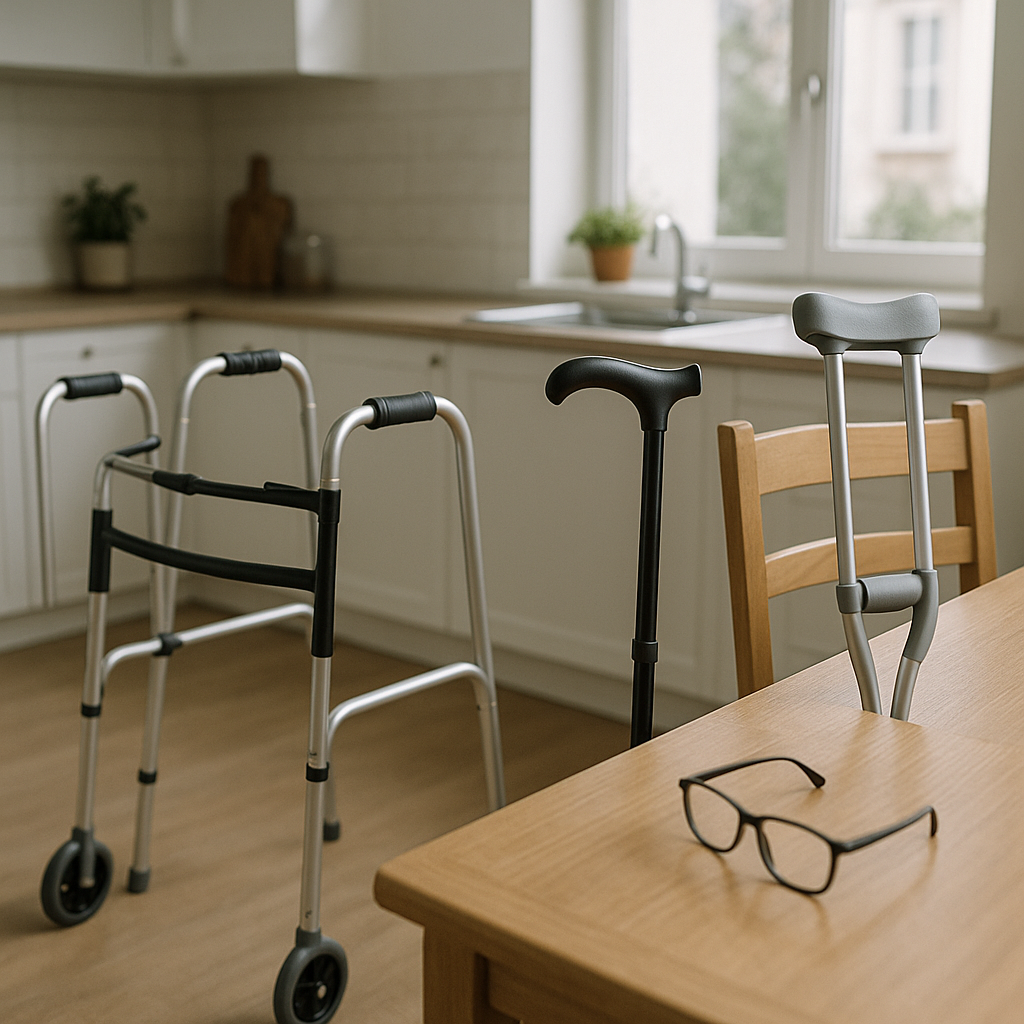
– Mobility Aids: Devices such as wheelchairs, walkers, and motorized scooters enhance independent movement, both indoors and outdoors.
– Modified Living Spaces: Ramps, grab bars, and accessible bathroom fixtures help create environments that minimize barriers.
– Self-Care Tools: Adaptive utensils, shower chairs, and long-handled sponges support personal hygiene and daily grooming activities.
– Communication Devices: Speech-generating tablets and adaptive keyboards assist those facing speech or dexterity issues.
– Home Automation: Voice-controlled systems and remote-controlled appliances streamline everyday activities and increase safety.
– Transportation Adaptations: Vehicle modifications, accessible ride-share services, and community transportation resources facilitate community mobility.
– Organization and Memory Aids: Planners, reminder apps, and visual schedules help manage cognitive challenges.
Incorporating these devices can influence not only the ability to complete tasks but also shape self-perception and participation within the family and wider community. Many people describe an initial period of adjustment, where using assistive technology feels foreign or even emotionally fraught. Over time, however, individuals tend to personalize the use of these tools, finding what works best for their particular needs and lifestyle.
How Coping Improves Gradually Over Time
The process of managing daily life with assistive devices is neither instantaneous nor linear. As individuals move forward after a truck accident, the relationship with assistive technology and adaptive routines evolves. Early days may be characterized by frustration, discomfort, or grief over losses. Familiar activities can feel insurmountable, and learning to use new devices can be overwhelming. However, adaptation often proceeds in subtle stages.
Gradually, many describe a growing sense of comfort and skill in using their chosen coping systems. What initially seemed like obstacles—design quirks, learning curves, or social stigma—begin to fade as individuals discover solutions that are both practical and personally meaningful. The repetitive nature of daily life allows for developing proficiency; tasks that were once labored may become smoother, and new ways of accomplishing goals often emerge.
Support from rehabilitation specialists, peer communities, and family members can also facilitate this progression. Familiarity with devices increases, and routines adapt accordingly. Over months and years, many individuals not only regain function but also build new avenues for fulfillment and purpose. Self-advocacy grows, and people often become experts in their own needs—seeking out new technologies or strategies, modifying tools, and even contributing to broader conversations about accessibility and inclusion.
Although setbacks may occur—due to health changes, environmental barriers, or emotional fluctuations—the long-term trend for many is toward increased competence and resilience. The cumulative effect of daily practice with assistive devices is frequently a transformation in self-efficacy and the ability to navigate life with greater independence.
Conclusion
For those coping with the profound changes that follow a severe truck accident, managing daily life with assistive devices is more than just a practical endeavor—it is a dynamic process of adaptation, learning, and self-rediscovery. Challenges are woven into every day, yet the integration of assistive technology can steadily open doors to renewed independence and participation. Over time, the tools and systems that may once have represented necessity can become enablers of capability, comfort, and even possibility. This journey of gradual adaptation continues as technologies advance and individuals find new ways to live fully within their changed circumstances.