
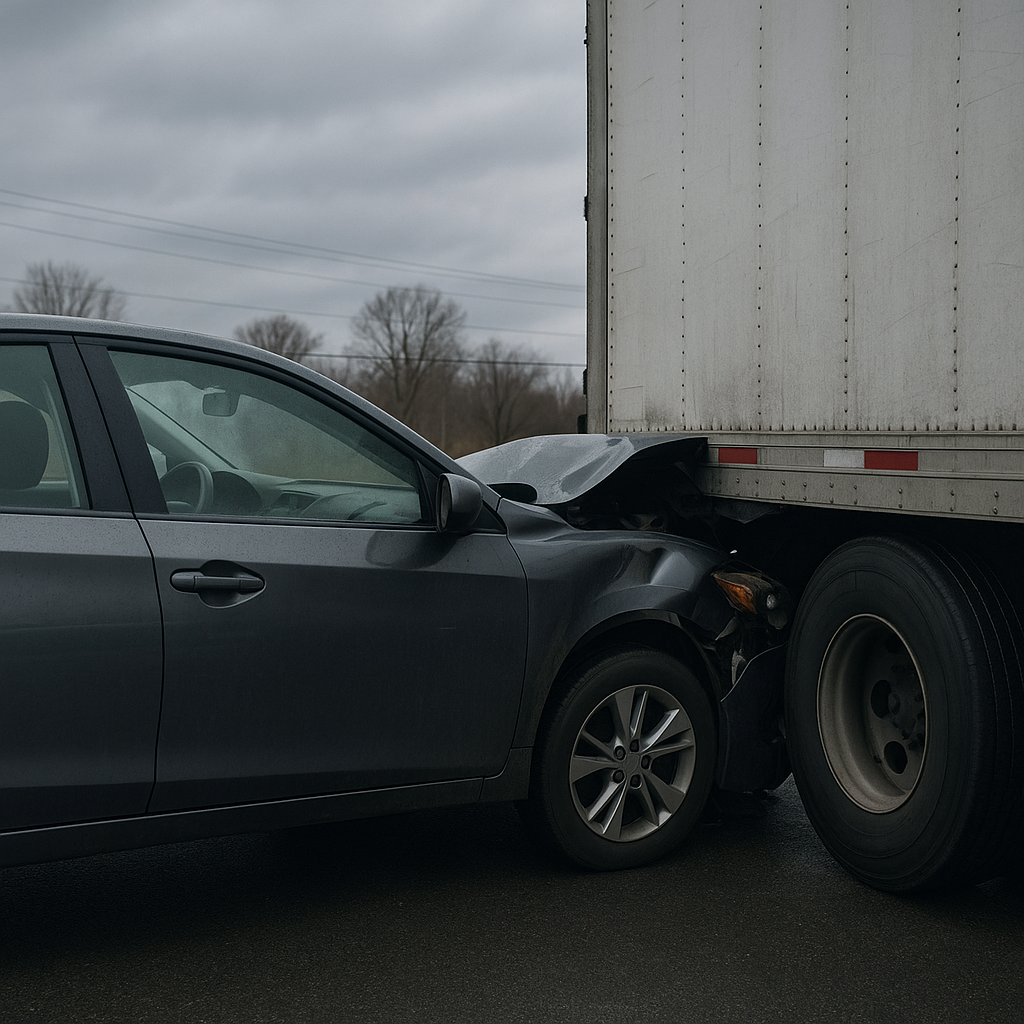
Why the Body Stays Tense After Truck Accidents
Navigating life after a truck accident can be a challenging process. Many people notice that their bodies remain tense for days, weeks, or even longer following the incident. This ongoing physical and emotional tension is a common—and often confusing—part of recovery. Understanding why the body stays tense after trauma, particularly after serious events like truck accidents, can offer some clarity for those experiencing these changes.
Overview of Shock and Trauma After Truck Accidents
Truck accidents are sudden, overwhelming events that can lead to both physical and psychological trauma. The force and unpredictability of such accidents often leave a deep imprint, not only on the body but also on the mind. Immediately after an accident, people may feel numb, disoriented, or find themselves unable to relax—classic signs of the body’s shock response.
Shock is the body’s immediate reaction to traumatic events. It serves as a protective mechanism, prioritizing survival by sending a surge of stress hormones into the bloodstream. These hormones, including adrenaline and cortisol, activate the “fight, flight, or freeze” response. While this response is crucial in life-threatening situations, its aftereffects can linger long after physical danger has passed, keeping the body and mind on high alert.
The experience of trauma goes beyond the initial moments of the accident. For many, the aftereffects can linger as both physical tension and psychological distress, contributing to symptoms well after any physical injuries have healed. This prolonged state of alertness and tension is often bewildering, but it is a natural response to a highly stressful event.
Why the Body and Mind React This Way
The relationship between the mind and body is complex, especially in the wake of trauma. When faced with a highly stressful event like a truck accident, the brain quickly assesses danger and engages survival responses. These responses are not just psychological—they have immediate bodily effects.
Common Reactions People Experience
After a traumatic experience, it is common to feel tension throughout the muscles, particularly in the neck, shoulders, and back. The heart rate may remain elevated, and sleep can become disrupted. People might notice uneasiness, irritability, and difficulty relaxing even in familiar environments. These reactions are part of the autonomic nervous system’s attempt to protect the individual from further harm.
Other effects can include:
– Jaw clenching or teeth grinding
– Shallow or rapid breathing
– Increased sensitivity to noise or movement
– Feeling jumpy, startled, or hypervigilant
Many individuals also experience intrusive thoughts or memories related to the accident. Sometimes, these mental patterns can trigger bodily sensations—such as tightness in the chest or clenched muscles—without warning. This is how the mind and body can perpetuate the cycle of tension long after the immediate threat has ended.
How These Reactions Can Change Over Time
Experiences of tension and stress vary and can evolve during recovery. Initially, the body’s reaction is intense and all-encompassing. The days just after a truck accident frequently bring sleepless nights, difficulty concentrating, and persistent muscle tightness. This is the acute phase of the trauma response.
As time passes, most people find these physical and emotional reactions gradually lessen. However, certain reminders—like traveling in vehicles or hearing loud noises—might cause the body to tense up again, even if no danger is present. These are known as “triggers,” and they reflect the way the brain has connected certain sensory cues to memories of the trauma.
In some instances, tension and stress responses remain persistent for longer periods. This can happen if the brain and body continue perceiving the world as unsafe. Over time, repeated exposure to reminders of the accident, ongoing stress, or lack of support may contribute to ongoing muscle tightness, fatigue, and feelings of unease.
Others may notice that their bodies relax as their sense of safety improves, routines normalize, and distance from the traumatic event grows. Sleep may improve, muscle tension may decrease, and a sense of calm can return as recovery progresses. However, the pace of this process is different for everyone, shaped by a variety of individual factors such as personal resilience, support systems, and previous experiences with stress.
Closing Reassurance Paragraph
It is not unusual for the body to stay tense after experiencing the trauma of a truck accident. These responses are a natural part of how humans cope with and process distressing events. The tension, both physical and emotional, is a sign of the body’s efforts to protect itself and adapt after a shock. Over time, most people find that these symptoms ease, although the journey is not the same for everyone. Understanding the typical patterns of reaction can provide reassurance and help normalize the recovery experience for those affected.