
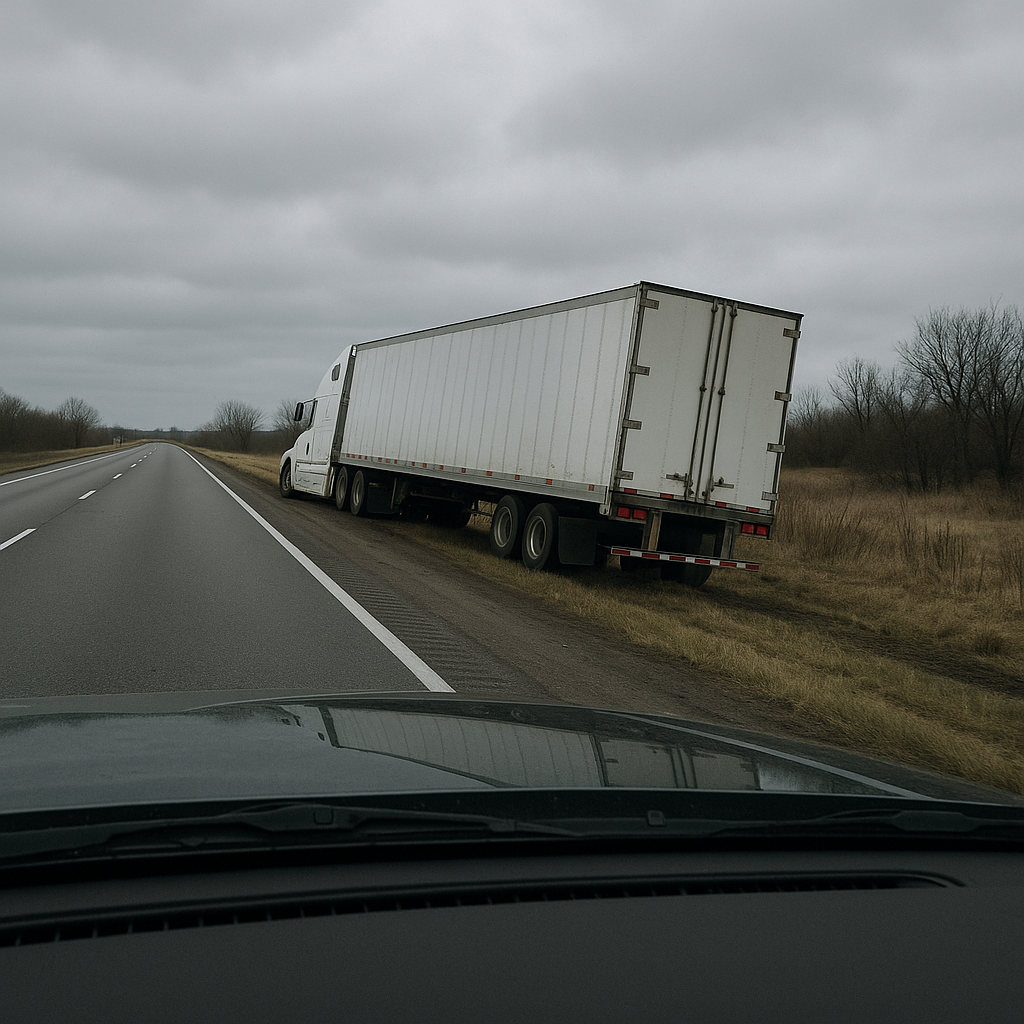
Why Do I Feel Worse After Seeing a Semi Truck?
Why This Question Is Common After Severe Accidents
It’s not unusual for individuals to find themselves feeling uneasy, anxious, or even physically unwell when encountering certain triggers on the road, especially after experiencing or witnessing a severe accident involving a semi truck. The feeling can arise suddenly—a tightening in the chest, a returning sense of fear, or simply a heaviness that wasn’t there before. This emotional response has prompted many people to quietly ask, “Why do I feel worse after seeing a semi truck?” The frequency of this question speaks to the profound impact that traumatic events can have on people’s perceptions and emotions long after the incident has passed.
Semi trucks, due to their size, sound, and presence, often become powerful symbols connected to past experiences. For those involved in accidents featuring these large vehicles, seeing them again may evoke strong memories and remind individuals of moments marked by distress or vulnerability. This question is especially common for people who have survived, witnessed, or heard about severe collisions with semi trucks, as these events tend to leave lasting emotional marks.
Clear Neutral Explanation
Experiencing a negative reaction after seeing a semi truck is a well-documented human response. When a person endures a traumatic incident—such as a collision or a near-miss with a large vehicle—the mind forms connections between specific sights, sounds, and the feelings associated with the event. These connections help to explain why seemingly routine experiences, like passing a semi truck on the highway, can provoke a stronger emotional reaction than expected.
The brain’s survival mechanisms play a significant role here. Following trauma, the mind is attuned to potential threats. Objects or scenarios associated with the original traumatic event, referred to as “triggers,” may reactivate feelings of danger, even if the current situation is comparatively safe. In the case of semi trucks, their presence can act as a vivid reminder of past distress. This reaction is often involuntary and may result in feelings of anxiety, discomfort, or even a desire to avoid highways or trucks altogether.
Physical reactions—such as a racing heartbeat, muscle tension, or nausea—can accompany emotional shifts. These signs are part of the body’s natural response to perceived threats, ingrained over thousands of years of human evolution. While intellectually, a person may recognize there is no immediate danger, the emotional centers of the brain can respond as if the danger is present and real, leading to the sensation of feeling worse after seeing a semi truck.
Helpful Emotional Context
Emotional responses after difficult experiences are varied and personal. For some, seeing a semi truck may amplify memories or emotions related to their past accident or close call. These reactions do not follow a standard template; instead, they can include sadness, irritability, fear, or even anger. These feelings may come and go, or linger for a period of time.
Additionally, these reactions can surface even if significant time has passed since the original event. Emotional processing timelines differ widely, and familiar cues—like the sound of a truck’s rumble or the sight of its distinctive silhouette—can unexpectedly evoke powerful responses. Sometimes, individuals feel confused or frustrated by the intensity of their emotions, especially when they thought they had “moved on” from the incident.
There is also a common emotional element rooted in the sense of vulnerability. Semi trucks, due to their size and power, may serve as a stark reminder of how fragile humans and smaller vehicles can be in contrast. For many, this awareness is unsettling, and it can reinforce feelings of apprehension or discomfort, especially if the initial accident involved a sense of helplessness.
Common Misconceptions
One widespread misconception is that feeling worse after encountering a semi truck is an indication of weakness or an inability to “get over” the past. In reality, such responses are deeply rooted in how the human brain processes memories associated with stress and trauma.
Another misconception is that these reactions should diminish quickly or disappear entirely with the passage of time. While time can help, emotional processing rarely follows a linear or predictable path. The idea that there is a universal timetable for “moving on” can increase feelings of frustration or isolation for those who continue to experience distress well after the accident.
It’s also common to believe that only those involved in extremely severe accidents will have strong responses, but even witnessing an accident or hearing detailed accounts can impact individuals in similar ways. The intensity and nature of the emotional response can vary greatly from person to person, regardless of the degree to which they were directly impacted by the original event.
Closing Paragraph
The experience of feeling worse after seeing a semi truck is a genuine human response, shaped by the mind’s efforts to protect and process past events. These feelings, though sometimes surprising or unwelcome, highlight the ways in which trauma can leave lasting impressions on thoughts, emotions, and reactions. Understanding that such responses are normal and widely experienced can help foster patience and compassion for oneself or others as they navigate the ongoing process of recovery. The road to emotional steadiness is rarely straightforward, and the presence of lingering reactions—like feeling worse after seeing a semi truck—forms part of the broader journey of adapting to life after a challenging or traumatic event.