
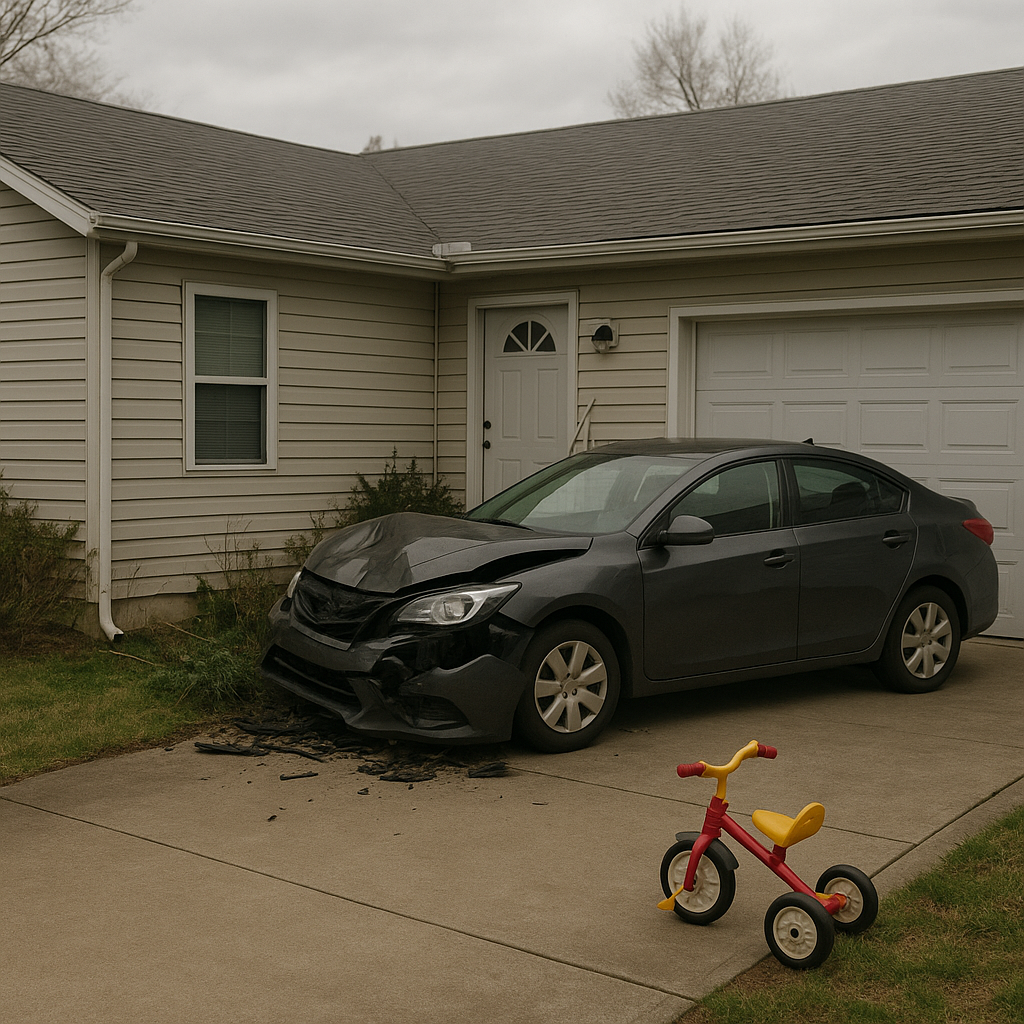
Why Family Routines Feel Unstable After Accidents
Accidents can impact an individual’s life in profound ways, but their influence often extends far beyond the person directly involved. Families—no matter how resilient—face powerful disruptions to their routines, roles, and emotional landscapes after a traumatic event such as a truck accident. Understanding why family routines feel unstable after accidents is key for families striving to regain equilibrium in unfamiliar territory. This article explores the unique challenges households confront, from role changes to communication struggles, and how long-term emotional adjustments evolve over time.
Why Truck Accidents Affect Entire Households
When a truck accident occurs, the primary concern is naturally the health and safety of those directly involved. Yet the ripple effects move quickly through the household. Whether a family member is injured, temporarily disabled, or emotionally shaken, every element of daily life can be suddenly thrown off balance.
Truck accidents, in particular, tend to involve significant injuries or property damage due to the size and weight of commercial vehicles. This means that recovery periods are often longer, and the physical, emotional, and even financial impacts on the family can feel intense. Walking children to school, cooking meals, keeping house, or handling errands may become challenging if a key family member is incapacitated. Uncertainty around medical treatments, schedules, or transportation can mean that previously predictable routines become unpredictable overnight.
It’s not just the physical aspect—accidents introduce new anxieties and logistical challenges. A household once running like clockwork might suddenly revolve around doctor’s appointments, therapy sessions, or rest periods for the injured. This unpredictability leads many to feel that family routines are unstable after accidents, even when families are doing their very best to adapt.
Common Family Role Changes
One of the most significant ways accidents impact families is the shifting of roles. When someone is hurt physically or emotionally, they may no longer be able to fulfill tasks they managed with ease before the accident. Perhaps a parent handled driving duties, cooking, or financial management, and now family members must step in to bridge these gaps.
Children may find themselves taking on more chores or caregiving responsibilities, sometimes earlier than anticipated. A spouse or partner might need to become the sole breadwinner or assume additional responsibilities at home. Grandparents or extended family members could be called upon for support more frequently than before. These adaptations are usually well-intentioned, but they can increase stress, create confusion, or foster feelings of inadequacy and guilt—particularly if family members feel unprepared for their new roles.
Changes in family roles can subtly reshuffle relationship dynamics, which can, in turn, further disrupt daily routines. This role realignment is a practical necessity, but it can take time for everyone to adjust and find confidence in their new capacities.
Communication Challenges Families Face
Another reason why family routines feel unstable after accidents is the challenge of clear and compassionate communication during times of stress. After an accident, emotions can run high. Some family members may want to talk about what happened, while others may prefer silence or space. Misunderstandings can become more common, especially if everyone is coping with emotions like fear, sadness, frustration, or even guilt.
Communication barriers sometimes result from a desire to protect one another. Parents may avoid discussing certain realities with young children, hoping to shield them from worry. Meanwhile, children or teenagers might withhold their own anxieties so as not to burden adults. In the absence of open dialogue, confusion can spread, and unspoken worries can become amplified.
Even logistical communication becomes more complicated after accidents. Coordinating new routines, medical appointments, and changes in responsibilities requires patience and meticulous planning. If families don’t find ways to regularly check in and share updates, it’s easy for someone to miss a detail or for people to feel excluded or overwhelmed.
Establishing opportunities to talk—whether in family meetings or casual check-ins—can help maintain a sense of togetherness, even while routines and roles are shifting.
Long-term Emotional Adjustment Patterns
Instability in family routines doesn’t always resolve quickly. For many families, the process of adapting after an accident happens in stages. Early on, the priority is often stabilization: handling immediate medical needs and organizing short-term roles. As time passes and emergencies subside, deeper emotional and interpersonal adjustments may surface.
Some family members may experience anxiety or hypervigilance, worrying that something similar could happen again. Others could struggle with frustration or sadness as their independence or usual role remains limited. It’s not uncommon for feelings of resentment or guilt to emerge—sometimes directed outward but often internalized. Recognizing that these emotional swings are normal is important for everyone’s well-being.
Gradual healing, both physically and emotionally, often brings new routines. Some changes—the need for accessible household spaces, different bedtime routines, or altered meal planning—may become permanent. Others may fade as the injured person regains strength. Throughout, families benefit from practicing flexibility: accepting that it’s okay for routines to look different for a while, and that routine itself can be gradually reestablished as circumstances allow.
Support from extended family, friends, schools, or community organizations can also play a key role during long-term adjustment. Sometimes, simply knowing that periods of instability are a natural response can make it easier to be patient with oneself and with each other.
Conclusion
Accidents, particularly serious ones like truck collisions, disrupt more than just the daily habits of the person injured—they shake the entire family’s foundation. It’s natural for family routines to feel unstable after accidents. This instability arises from the necessity to shift roles, adapt communication, and manage emotional responses.
While the process can be challenging, families often discover unexpected strengths and new ways of supporting each other. With time, patience, and a willingness to adapt, routines can become more stable once again, creating a foundation for healing and resilience for everyone involved.