
Why Do I Feel Triggered By Nighttime Driving?
Why This Question is Common After Severe Accidents
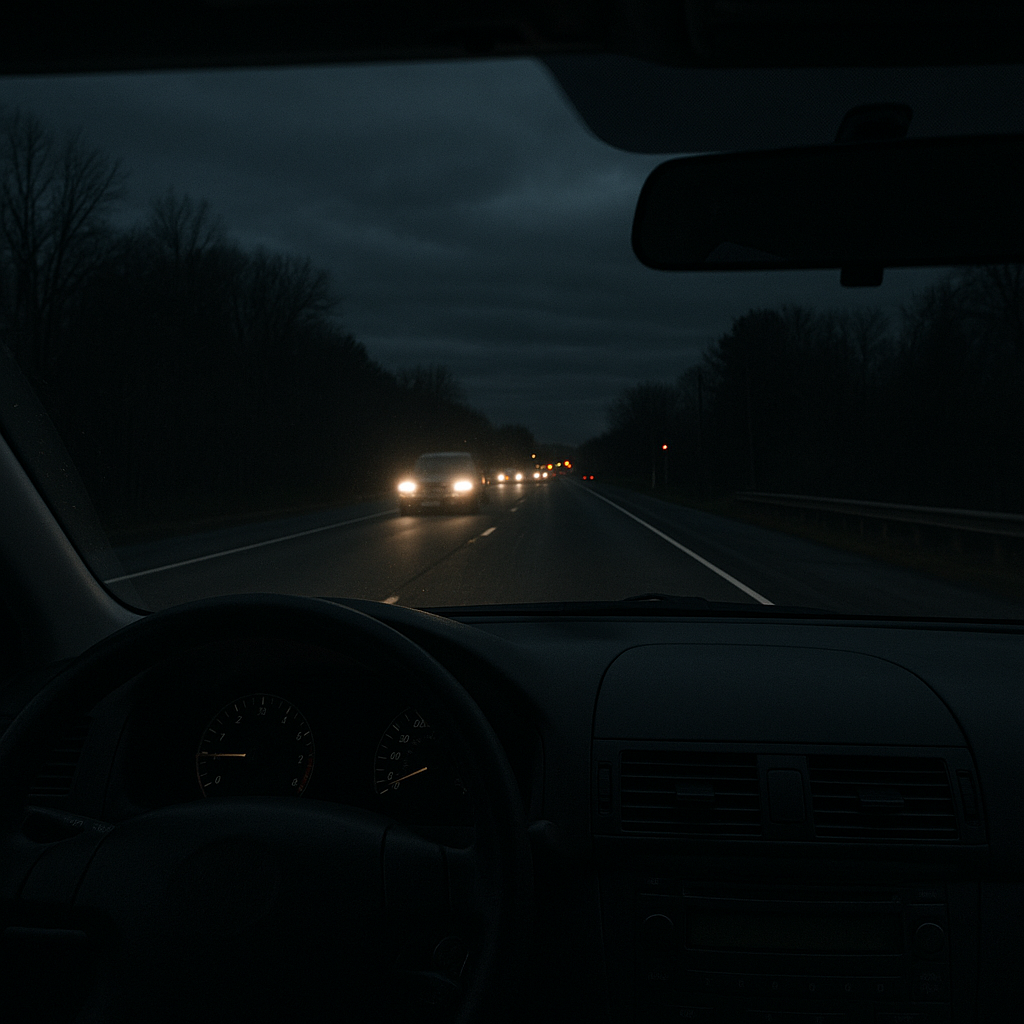
For many individuals, asking “Why do I feel triggered by nighttime driving?” is a reflection of the emotional and psychological aftermath following a serious car accident or a distressing event on the road. Nighttime often brings a unique set of challenges when it comes to driving: reduced visibility, bright headlights from oncoming traffic, and the sense of isolation that can come with darkness. For those who have experienced trauma behind the wheel, these factors can combine to create a perfect storm for anxiety and emotional distress.
Increased nervousness at night is not an uncommon response, especially if a traumatic incident occurred during evening hours, or if the lowered visibility plays into memories of a past event. The question arises often in the weeks and months—or even years—afterward, as people notice their heightened emotional reactions in these situations. They may observe physical symptoms such as racing thoughts, rapid heartbeat, or tense muscles, all triggered by the act of driving when the sun goes down.
Clear Neutral Explanation
Being “triggered by nighttime driving trauma” is often rooted in the way the human mind and body process and remember danger. The nervous system is built to keep individuals safe from perceived threats. When someone experiences a traumatic event—such as a car accident, a near miss, or witnessing something frightening—their brain stores not only the memory of the incident but often the sensory details associated with it. This can include the specific lighting, weather, sounds, and even the emotional state at the time.
For those who are triggered at night, it’s typically not just the memory itself but the environmental cues—darkness, headlights, deserted roads—that act as reminders. These cues can prompt the brain to react as though the original threat is present again, even if the situation is objectively safe. This reaction can occur seemingly automatically, before there is any conscious thought about the past event.
This process is a normal mechanism of the brain known as “associative learning,” where certain sights, sounds, or sensations become linked with previous trauma. For nighttime driving, low light levels and shadows may be specifically associated with the distressing incident. The body’s response is one of self-protection, prompting a surge of adrenaline—what might be described as the classic “fight, flight, or freeze” response.
Helpful Emotional Context
Experiencing emotional distress during nighttime driving can be unsettling and isolating. It is common to feel disappointed in one’s own reactions or worry about “not being over it yet,” particularly if significant time has passed since the precipitating event. The heightened emotions are frequently accompanied by confusion about why the anxiety appears stronger at night, while daytime driving might feel manageable.
There can be a sense of fear of losing control, embarrassment about being “triggered,” or frustration with the unpredictability of emotional responses. These feelings occur because trauma can shift the way the nervous system reacts to reminders of danger, even those that are only similar to the original event. Sometimes, a person may not recall every detail of the traumatic incident, but driving after dark is enough to create a surge of unease or panic.
There is also a social dimension at play; some may feel misunderstood by friends or family, who might not grasp why nighttime driving is particularly challenging. The reality is that the body’s warning system is responding correctly to the past experience—even if it feels inconvenient or confusing in the present. This emotional turbulence does not imply weakness; it is simply an expression of how trauma can linger and influence feelings and reactions.
Common Misconceptions
A few misconceptions about being triggered by nighttime driving trauma often contribute to added stress. One frequent misunderstanding is that such triggers indicate an inability to “move on” from the past event or that they signify a permanent impairment. In truth, these reactions are a byproduct of the body’s normal protective functions and are widely experienced by people recovering from traumatic incidents.
Another misconception is that individuals can simply “think away” the discomfort or ignore the sensations. While positive thinking can be helpful in some scenarios, trauma responses are rooted in neurological processes that operate below conscious awareness. It is an automatic reaction rather than a choice, and willpower alone does not typically halt the physical and emotional responses once they are initiated.
It’s also sometimes assumed that people exaggerate their symptoms or see connections where none exist. However, patterns in how the brain associates certain environments—such as nighttime roads—with previous danger are well documented. These patterns are built-in responses honed by evolution to promote survival, not overreaction.
Closing Paragraph
For anyone who finds themselves feeling triggered by nighttime driving, these responses are a reflection of deep and automatic processes linking the present moment to previous traumatic experiences. Understanding the roots of these feelings can bring a sense of validation and relief, revealing that such reactions are neither uncommon nor inexplicable. Rather, they are part of the way the mind and body strive to protect from harm, especially after a significant event has left its mark. Over time, many individuals find that these triggers shift and change, but the initial reaction is a sign of the nervous system doing its job—reminding the driver to be cautious in ways it has learned are important. This knowledge, while sometimes challenging, can foster patience and compassion for oneself during those difficult nighttime drives.