
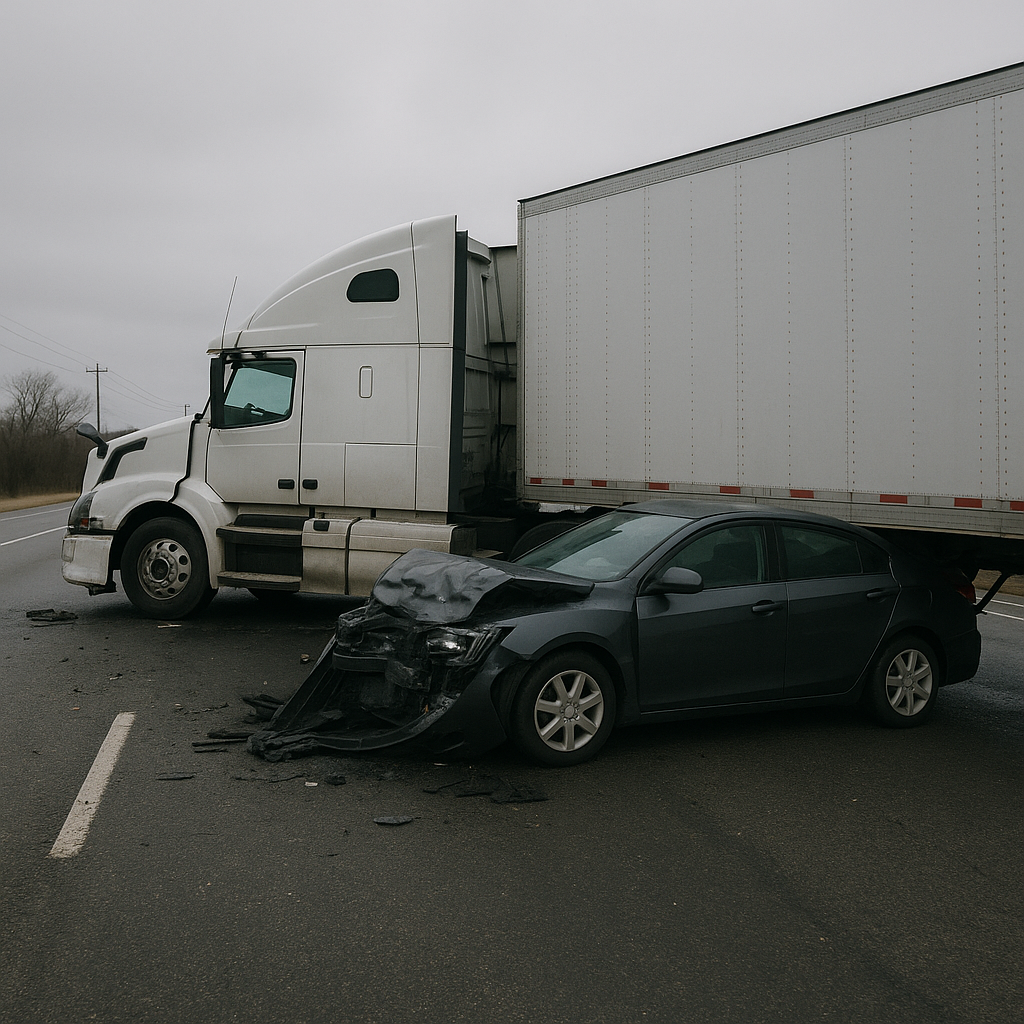
Intrusive Thoughts After Semi Truck Crashes
Overview of Shock and Trauma After Truck Accidents
Experiencing a semi truck crash is a life-altering event, often resulting in not only physical harm but also lasting psychological effects. In the aftermath, it is common for survivors, bystanders, and even first responders to face a range of emotional and mental challenges. One phenomenon frequently encountered is the presence of intrusive thoughts — unwelcome, involuntary memories or mental images of the crash that surface without warning.
The shock of being involved in a semi truck crash can be intense. Unlike minor collisions, crashes involving large commercial vehicles often occur with greater force and unpredictability, amplifying the sense of danger and loss of control. This heightened trauma can leave a lasting mark on a person’s emotional well-being, sometimes long after visible injuries have healed.
Why the Body and Mind React This Way
The human body and mind are designed to protect us from danger, both physically and psychologically. When someone experiences a traumatic event like a semi truck crash, the brain records the incident in vivid detail. This is partly a survival mechanism—by remembering the specifics of a dangerous event, the mind aims to prevent similar situations in the future.
However, after the immediate danger has passed, the protective responses that served an important purpose during the crash can persist in unhelpful ways. The brain can replay parts of the event without any conscious intent, leading to what is known as intrusive thoughts.
Common Reactions People Experience
In the aftermath of a semi truck crash, people may experience a broad spectrum of reactions. Intrusive thoughts are just one of many possible psychological responses and can present themselves in different forms. For instance:
– Vivid memories or flashbacks: Sudden, intense recollections of the accident may arise, often triggered by certain sounds, sights, or situations that resemble the crash.
– Distressing images or worries: Unplanned images or concerns about what happened—or what could have happened—can appear unexpectedly, sometimes disrupting daily life or sleep.
– Re-experiencing sensations: People may feel as though they are reliving the event, sensing the same fear, physical sensations, or emotions.
– Heightened alertness: There may be an increased sense of anxiety, jumpiness, or startle response in situations that remind one of the accident.
It is not uncommon for people to feel frustrated or alarmed by these thoughts, especially if they appear to come “out of nowhere” or do not make logical sense. Some may try to suppress or avoid these thoughts, but they often persist despite such efforts.
How These Reactions Can Change Over Time
In the days and weeks following a semi truck crash, intrusive thoughts may occur frequently and with considerable intensity. It is natural for people to relive significant events in an attempt to make sense of what happened or to feel a sense of closure. Over time, for many individuals, the frequency and intensity of these thoughts tend to decrease.
Several factors can influence how these reactions evolve:
– Individual differences: Each person’s response to trauma is unique, shaped by their previous life experiences, personality, and circumstances at the time of the accident.
– Social support: Having support from family, friends, or trusted individuals can help people process their experience and, in some cases, reduce the persistence of intrusive thoughts.
– Routine and rest: Engaging in regular activities and allowing time for rest may assist in the gradual reduction of distressing memories.
While most people find that their minds gradually adjust and intrusive thoughts become less frequent, some may notice these experiences continue for an extended period or interfere with daily life. This variation is normal, as the pace of recovery differs for everyone.
For a portion of people, changes in daily habits, emotional responses, or relationships may follow a traumatic crash. Over time, many individuals see a decrease in the emotional intensity tied to their memories, even if the thoughts themselves occasionally return. For others, intrusive thoughts may recur during stressful periods or on anniversaries of the event.
Closing Reassurance Paragraph
Experiencing intrusive thoughts after a semi truck crash is a recognized response to an extraordinary and challenging event. The mind’s efforts to process and adapt to trauma are complex and sometimes unpredictable. Changes in how you remember or respond to the event are part of the broader process of adjustment and recovery. Everyone’s journey after such an experience is different, shaped by personal history and the unique circumstances surrounding the crash. Although the path forward may not be straightforward, understanding that these responses are common can bring a measure of comfort. Time, routine, and support can play important roles as the mind works through the impact of the experience.