
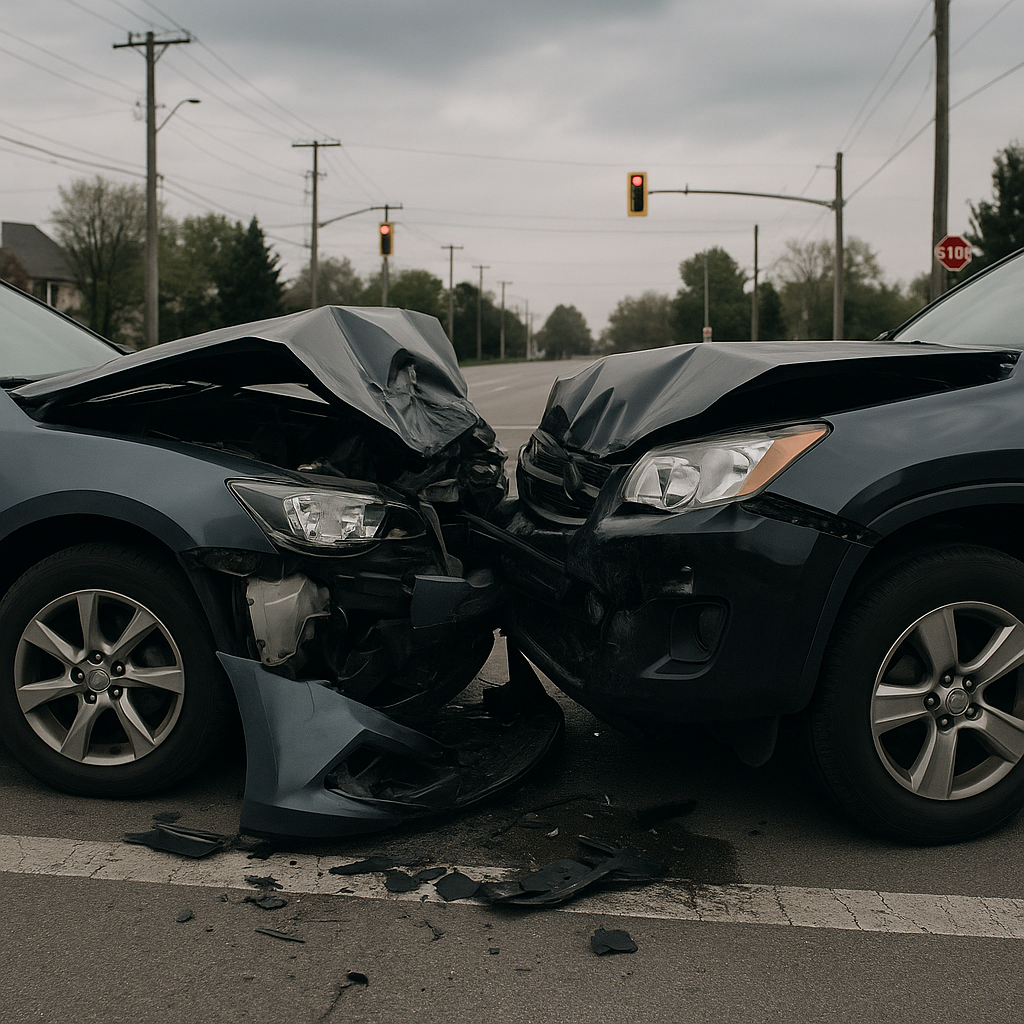
Why do I distrust other drivers after the crash
Experiencing a car accident can lead to a variety of emotional and psychological responses, both immediate and long-lasting. One particularly common reaction is suddenly feeling unsure or wary around other motorists. Many people find themselves asking, “Why do I distrust other drivers after the crash?” This question often echoes for weeks, months, or even years, as individuals try to come to terms with changes in their mindset every time they enter a vehicle. Exploring why this feeling emerges offers insight into the road to post-accident adjustment.
Why this question is common after severe accidents
Severe car accidents are highly disruptive events. They challenge assumptions about safety and change how people relate to their environments. For most drivers, the act of driving relies on a baseline level of trust—not just in their skills, but in the shared rules of the road and the competence of other motorists. An accident, especially one caused by another driver’s mistake or recklessness, can shatter this shared sense of safety.
After a crash, the world may suddenly seem unpredictable. The illusion that “accidents happen to other people” is pierced, and individuals often review the moments leading up to the event repeatedly in their minds. Distrust emerges as a way of coping with the realization that danger on the road can come from any direction and from anyone. This sudden doubt or suspicion towards fellow drivers is, for many, a natural extension of the trauma experienced during the crash.
Clear neutral explanation
Distrusting other drivers after a crash is a psychological response rooted in how the mind processes traumatic experiences. When an individual survives an accident—especially one where another driver is at fault—the incident can disrupt their previous outlook on road safety. The brain, keen on avoiding repeat harm, becomes hypervigilant, scanning for signs of threat.
This vigilance manifests as wariness or distrust of others on the road. Every car nearby may seem potentially dangerous, and previously routine driving behaviors by others—like lane changes or stops—may suddenly feel unpredictable or unsafe.
Essentially, the mind is navigating a recalibrated risk assessment. Before the crash, driving may have felt safe, standard, or even mundane. Afterward, the risk appears amplified. Others’ mistakes, aggressive moves, or apparent inattention can take on an outsized significance in the post-crash driver’s perception.
Over time, this reaction is not just about the specific driver involved in the accident—it can generalize. Every unfamiliar car, every quick swerve or tailgater, becomes a source of anxiety. The sense of shared control on the road gives way to heightened awareness of potential vulnerability, and trust in the broader driving community dips as a result.
Helpful emotional context
Emotionally, distrust after a crash is closely tied to feeling vulnerable. The impact of a collision often lingers long after physical injuries have healed. Many experience flashbacks, nightmares, or heightened anxiety, especially when back behind the wheel. Being in or near a vehicle can cue the body and mind to prepare for danger, whether real or imagined.
This ongoing state of alertness, or hyperarousal, is common in the aftermath of traumatic events. It’s rooted in the body’s natural “fight or flight” response and can make everyday driving situations feel intense or overwhelming. As a result, it becomes difficult to relax or feel at ease, particularly when relying on other drivers to follow rules and make safe choices.
Emotional recovery from a crash is influenced by the desire for safety and predictability. When these are shaken, it’s common to scan for any possible sign of risk in other drivers’ behaviors as a subconscious way to reassert control over a situation that once felt uncontrollable.
Common misconceptions
Several misconceptions surround the experience of distrusting other drivers after a crash. One of the most prevalent is the belief that this distrust is irrational or a sign of weakness. In reality, such feelings are logical given the circumstances and can be a normal part of post-accident adjustment.
Another misconception is that these feelings are exclusive to those who are inexperienced or nervous drivers. However, even the most seasoned motorists can experience profound distrust after a severe accident, regardless of driving history or confidence level.
Some might assume this perception of other drivers is permanent. While it often feels all-encompassing in the immediate aftermath, research and experience suggest that for many, these feelings gradually change over time as new, uneventful driving experiences build up.
Lastly, there is sometimes an expectation that trust should quickly return once physical wounds heal or repairs are made. However, emotional responses follow their own timeline and are shaped by a variety of factors, including the severity of the crash, prior experiences, and individual coping mechanisms.
Closing paragraph
Feeling distrustful of other drivers after a crash is a recognized, understandable reaction. It stems from the mind’s efforts to process trauma, recalibrate perceived risks, and seek to restore a sense of safety. Far from being a personal failing, this response highlights how deeply a severe accident can affect psychological outlook and interactions on the road. For many, the journey to regaining trust—both in oneself and in others—reflects the ongoing work of adapting to the lasting impact of a significant life event.