
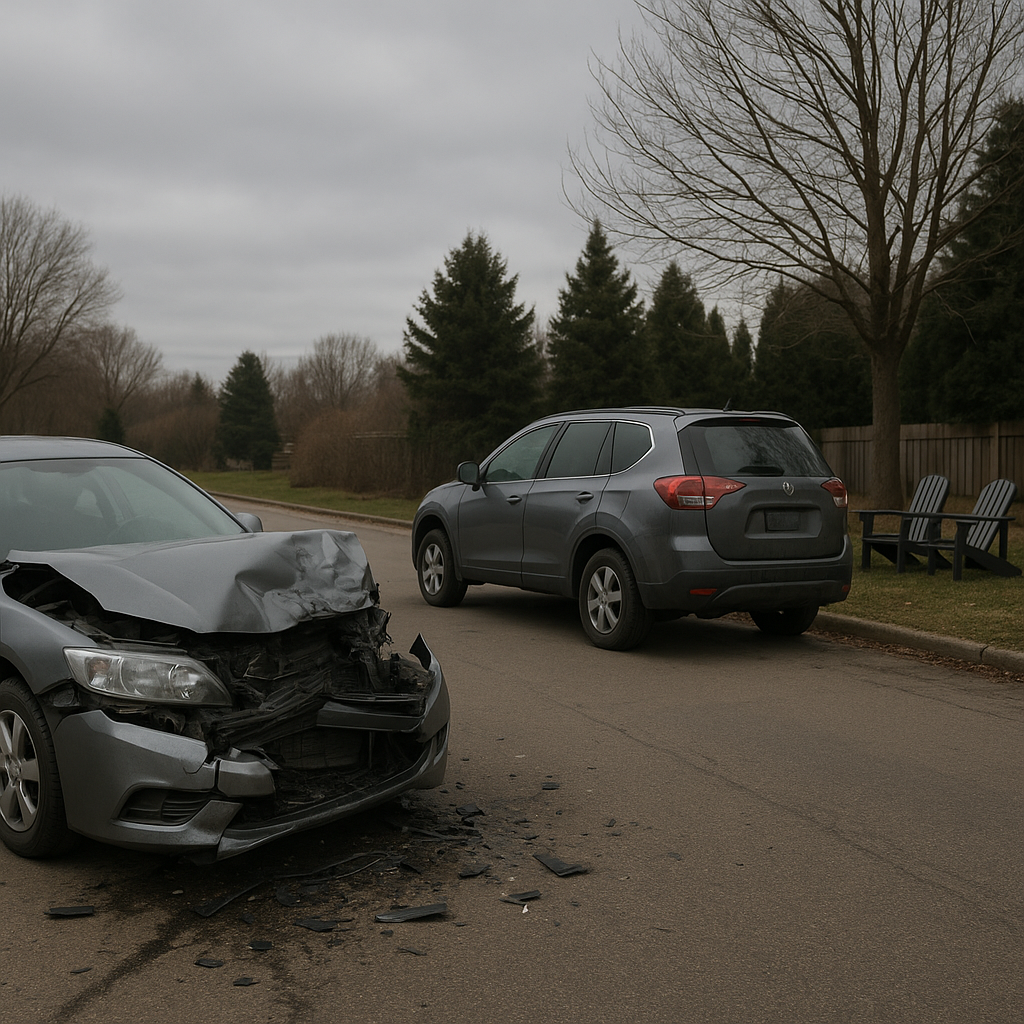
Why Families Feel Disconnected After Accidents
Experiencing a serious accident, such as a truck collision, can be life-changing for everyone involved. While medical attention often focuses on the physical injuries of the person most directly hurt, the emotional and relational impacts ripple throughout entire households. Many families find themselves feeling disconnected after accidents, struggling to reestablish their usual routines and sense of togetherness. Understanding why these feelings of disconnection occur is the first step toward supporting each other on the path to recovery.
Why Truck Accidents Affect Entire Households
Truck accidents tend to be serious events with far-reaching consequences. The aftermath is not limited to the person who was physically involved; spouses, children, and close relatives all experience changes to their daily lives and emotional states. The reasons for this broad impact include:
– Emotional Ripple Effects: Witnessing a loved one in pain or distress can cause trauma and anxiety for family members. The fear associated with the accident often lingers, leading to heightened concerns for safety and well-being.
– Disruption of Routine: When a family member is injured, established routines—such as school drop-offs, meal preparation, or shared activities—are often thrown into disarray. This can make life feel unpredictable and uncontrollable.
– Financial Strain: Dealing with medical bills, lost wages, or altered job roles due to injury can add stress for the entire family. Financial stress often reduces overall emotional resilience at home.
– Caretaking Burdens: Often, other household members must take on caregiving responsibilities. This can range from physical assistance to managing medication schedules, which can feel overwhelming.
These ripples lead to an environment where communication breaks down, roles within the family undergo sudden changes, and the sense of togetherness is challenged.
Common Family Role Changes
One of the most profound challenges families face after a major accident is the shifting of daily roles and responsibilities. This role realignment happens as each person tries to adapt to the “new normal” following the incident.
– Parent-Child Role Reversal: If a parent is injured, children may need to take on additional responsibilities, such as household chores or caring for younger siblings. This reversal of roles can create confusion or even resentment.
– Spousal Dynamics: The uninjured spouse might feel pressure to become both the caregiver and the primary provider. Balancing these tasks with their existing roles can lead to exhaustion, frustration, or feelings of inadequacy.
– Sibling Tensions: Siblings might struggle to understand the needs of the family member who was injured or feel that parental attention is now being diverted away from them. This can cause jealousy, behavioral issues, or withdrawal.
These shifts are rarely smooth or neatly defined. It can take time for a family to rebalance, and during this period, misunderstandings and emotional distance may develop.
Communication Challenges Families Face
Another significant reason why families feel disconnected after accidents stems from difficulties in communication. Trauma can intensify emotions, making it harder to articulate needs, feelings, or concerns.
– Avoidance: Some family members may avoid discussing the accident altogether, believing it will protect others from additional distress. However, silence can encourage isolation and misunderstanding.
– Misinterpretation: Heightened emotions can cause messages to be misunderstood. For instance, an offer of help may be seen as pity, or silence may be misinterpreted as lack of care.
– Fear of Burdening Others: Individuals may withhold their feelings of sadness or frustration, fearing they might add stress to already burdened loved ones.
– Expressing Emotional Needs: Not everyone is skilled at expressing their emotional needs, especially during times of crisis. This lack of open communication can lead to pent-up feelings and a growing sense of distance.
Overcoming these challenges often requires patience, empathy, and, sometimes, support from outside of the immediate family.
Long-term Emotional Adjustment Patterns
The initial weeks and months after a truck accident can be a whirlwind of practical adjustments and intense emotions. Yet, the long-term adjustment process poses its own set of challenges.
– Cumulative Stress: The ongoing effects of medical recovery, financial concerns, and caregiving duties can accumulate over time. This chronic stress can pull family members further apart, especially if not addressed.
– Shifting Identity: The person injured—and their family—may experience a shift in identity. They must adjust to new realities, which can include permanent disability or changed future plans. Acceptance of this new identity takes time and mutual support.
– Emotional Numbness or Withdrawal: Prolonged anxiety or sadness may cause family members to withdraw from each other emotionally. Over time, this can turn into a pattern of disconnection that is difficult to reverse.
– Seeking Support: Positive adjustment is more likely when families seek help. This help can come from friends, community resources, or counselors. Seeking out support doesn’t always come naturally, but it plays a crucial role in rebuilding connection.
Notably, every family adjusts in its own way and at its own pace. There is no single model for recovery, but recognizing these patterns can help families be mindful of the risks of disconnection—and the possibilities for renewed unity.
Conclusion
Accidents can fundamentally alter the fabric of family life, leaving many families feeling disconnected after accidents. These feelings are influenced by shifting roles, communication obstacles, cumulative stress, and the demands of long-term adjustment. While the path to reconnecting as a family may be challenging, understanding these underlying dynamics can help foster compassion and patience within the household. By recognizing each member’s unique experience and giving space for open dialogue, families have the opportunity to heal together—gradually rebuilding a sense of unity after adversity.