
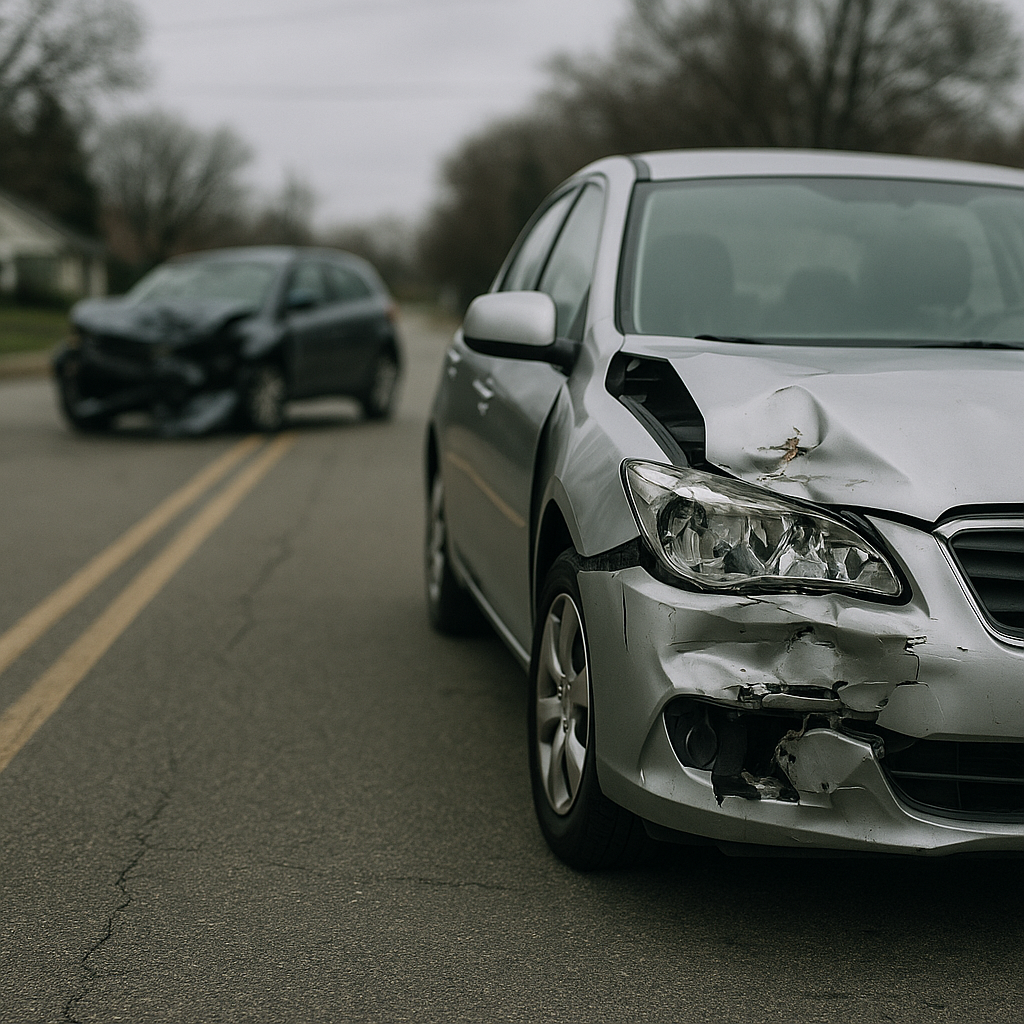
How Trauma Affects Relaxation After Accidents
Experiencing an accident is not just a physical event; it’s a deeply emotional one as well. Many people find that their sense of normalcy, safety, and peace is disrupted for weeks or even months after such an incident. Among the most common consequences is the struggle to relax and achieve restful sleep. Understanding how trauma affects relaxation after an accident can help individuals better manage their recovery process and support those who are navigating the journey back to well-being.
Overview of Stress and Sleep Disruption After Trauma
The immediate aftermath of an accident is often characterized by shock and confusion. As time progresses, lingering stress can embed itself into daily life, leading to ongoing worries, tension, and a constant sense of alertness. This heightened state of vigilance is a natural response to traumatic events and can have a significant impact on the ability to relax, particularly when it comes to sleep.
Our bodies and minds are wired to react to danger with a “fight, flight, or freeze” response—an evolutionary mechanism designed to keep us safe. In the case of trauma, however, the brain may remain stuck in this heightened state, even after the immediate threat has passed. As a result, a person may find it difficult to wind down, trust that they are safe, or allow themselves to enter states of deep rest and relaxation.
Sleep and relaxation are closely linked with mental health. When trauma disrupts one, the other often suffers as well. Research has shown that sleep quality is frequently reduced after accidents, leading to a cycle of fatigue, irritability, and increased stress.
Common Sleep-Related Issues People Report
After experiencing trauma from an accident, individuals often report a range of sleep disturbances. Some of the most frequent complaints include:
– Difficulty Falling Asleep: Many people struggle to relax their minds at bedtime, feeling overwhelmed by racing thoughts, anxiety, or worry about the future.
– Frequent Nightmares: Recurring bad dreams or vivid flashbacks related to the accident can interrupt sleep and leave individuals feeling exhausted by morning.
– Waking Up Often: An overactive startle response or hypervigilance can lead to waking up multiple times during the night, making it hard to achieve deep, restorative sleep.
– Restless Sleep: Even when sleep is achieved, it can feel shallow or unrefreshing, leaving the person tired and sluggish the next day.
– Fear of Sleep: For some, the fear of reliving the traumatic event in their dreams can make them reluctant to go to bed, resulting in voluntary sleep deprivation.
These challenges can be distressing and may contribute to a feeling of being stuck in a cycle of exhaustion and anxiety, making recovery seem out of reach.
Stress Cycle Effects on Energy and Focus
The connection between trauma, stress, and energy is complex. Persistent stress after an accident triggers the brain to continuously release stress hormones like cortisol and adrenaline. While helpful during an emergency, these hormones can be harmful when present for extended periods.
Here’s how the stress cycle can drain energy and reduce focus:
– Physiological Strain: Constant stress keeps the muscles tensed and the heart rate elevated, consuming physical resources that the body should be using for healing and recovery.
– Reduced Cognitive Function: Mental resources get tied up in worry, rumination, or intrusive memories, making it harder to concentrate on everyday tasks or responsibilities.
– Mood Swings: Chronic stress and poor sleep can make emotions feel unpredictable, leading to irritability or hopelessness.
– Lower Motivation: The general fatigue and “brain fog” that arise can sap motivation, making even simple decisions or basic routines feel overwhelming.
This cycle, if unaddressed, makes relaxation even more elusive, adding to the hardships of post-accident recovery.
How Sleep Patterns Evolve During Recovery
Recovery from trauma is a gradual process, and the way sleep patterns evolve can be highly individual. In the early stages, sleep may feel fragmented or almost impossible, with individuals relying on naps or brief dozes as their main form of rest. Over time, however, the brain and body often begin to adjust.
As a sense of safety is restored—through supportive relationships, routines, and sometimes therapeutic interventions—many people notice subtle improvements in their ability to relax and rest:
– Gradual Return to Routine: Establishing a daily schedule, particularly around bedtime, can help signal to the body that it is time to unwind.
– Diminished Hypervigilance: As the most intense phase of the stress response passes, individuals may wake less frequently and notice that their dreams become less distressing.
– Improved Restorative Sleep: With time and self-care, restful sleep often returns, enabling better daytime focus, energy, and mood.
– Increased Confidence in Safety and Control: Feeling more secure—both physically and emotionally—can reduce anxiety at bedtime and enhance overall relaxation.
It’s important to remember that healing is not linear. Some days may be better than others, and setbacks are common. Patience and self-compassion are essential, as is seeking support from loved ones or trauma-informed professionals.
Finding the Path Forward
The journey from trauma to relaxation after an accident is filled with challenges, but also opportunities for growth and resilience. Struggles with sleep, focus, and relaxation are normal responses to extraordinary circumstances and often diminish with time, understanding, and support.
Recognizing that trauma affects relaxation after an accident is a key step in validating these experiences, both for oneself and for those supporting someone in recovery. With gradual adjustments, compassion, and self-awareness, it is possible to restore a sense of peace and regain the restful moments that are vital for overall well-being.