
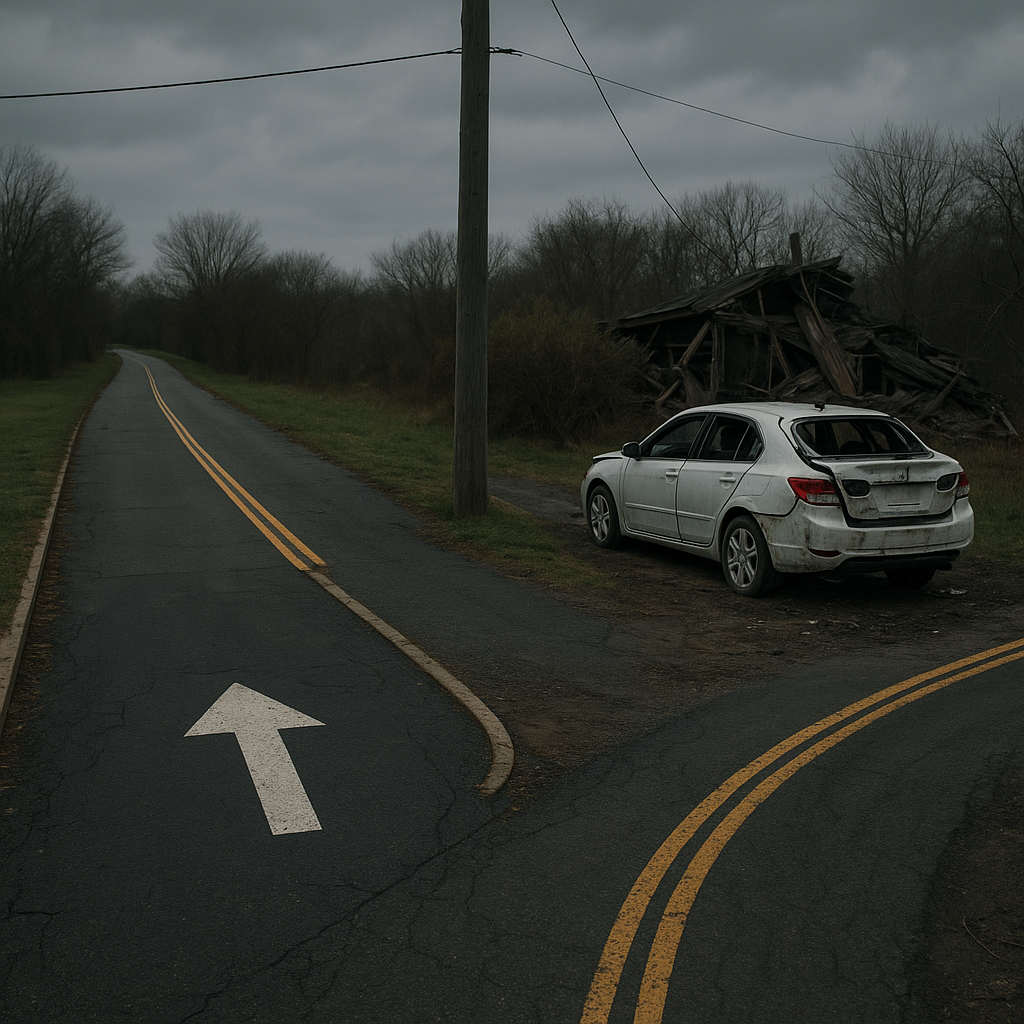
Why Does Decision Making Feel Harder Now
The aftermath of a severe accident can bring an array of changes to everyday life—some expected, others surprising. Among these, a frequently reported but often misunderstood experience is the sense that making simple or complex decisions suddenly feels much harder. Many individuals find themselves wondering: “Why does decision making feel harder now?” This article explores why this question surfaces so often after traumatic events, offers a clear and neutral explanation, provides helpful emotional context, and dispels some common misconceptions.
Why This Question Is Common After Severe Accidents
Following a severe accident or trauma, changes in cognitive and emotional function can be both subtle and profound. One of the most persistent complaints is that choices—once effortless—now provoke hesitation, doubt, or outright anxiety. This question arises commonly among individuals who are recovering from accidents, as decision making becomes noticeably more challenging, regardless of the situation’s importance.
There are several reasons for this. First, severe accidents can cause visible physical injuries as well as invisible effects such as psychological stress, neurological changes, or post-traumatic stress responses. The experience of a traumatic event can disrupt usual routines, create uncertainty about the future, and erode the sense of confidence in one’s own judgment. People may also find themselves second-guessing even small choices, a reaction that in itself leads to more confusion and distress. This influence on decision making is recognized as a common feature of how trauma impacts the mind and body.
Clear Neutral Explanation
Decision making is a complex process involving memory, attention, emotional regulation, and reasoning. After trauma, these basic functions can be affected in several interconnected ways.
One of the key factors is the body’s stress response. Trauma can heighten the production of stress hormones like cortisol and adrenaline. While helpful in a crisis, these hormones can interfere with calm, reflective thinking when persistently elevated. As a result, information processing may slow down, leading to indecision.
Additionally, trauma can impact areas of the brain responsible for executive functioning, such as the prefrontal cortex. This region manages tasks like evaluating options, predicting outcomes, and weighing risks and benefits. If injured or overwhelmed after an accident, the brain may struggle to do this work efficiently. Short-term memory may also be affected, making it harder to hold multiple options in mind at once.
Decision making also depends on emotional stability. When emotional responses are intensified or numbed after a trauma, evaluating the “right” choice grows even more difficult. Factors such as fatigue, pain, sleep disturbance, and medication can further muddy cognitive clarity.
These overlapping changes help explain why so many people notice their confidence and speed in making decisions diminish after a severe accident. The experience is a recognized cognitive effect of stress and trauma, rather than a sign of inadequacy or failure.
Helpful Emotional Context
The emotional landscape after trauma is often complex. Struggling with decisions can feel frustrating or even alarming, especially in those who previously prided themselves on independence or clear thinking. It is important to recognize that increased indecision is a common and understandable reaction to significant disruption and loss of control.
For many, the challenge of decision making is tied to a new sense of vulnerability. After an accident, basic assumptions about safety, predictability, and personal capability may be shaken. Each decision can begin to feel weightier, carrying a fear of repeating past pain or making things worse. This emotional coloring can cause even straightforward choices to feel overwhelming.
It is equally common to experience a loss of confidence in personal judgment. This can stem from the unpredictability of what happened or from living with ongoing medical needs. Many people feel a strong desire to avoid further risk, which naturally makes every decision subject to more scrutiny and second-guessing.
Common Misconceptions
A number of misconceptions surround the experience of “decision making harder after trauma.”
Misconception 1: It’s just laziness or a lack of willpower.
In reality, decision-making difficulties are the product of real psychological and sometimes neurological changes after an accident. They are not a character flaw.
Misconception 2: Recovering from physical injuries automatically means cognitive recovery.
Physical healing does not always coincide with cognitive or emotional recovery. It is normal for decision making to remain affected even as the body improves.
Misconception 3: Only those with visible injury experience this.
Even individuals who appear outwardly unhurt can experience cognitive and emotional changes that affect decision making.
Misconception 4: This is a permanent condition.
Many people experience improvement over time as the effects of trauma recede, sleep and routines normalize, and emotional resilience returns.
Closing Paragraph
Feeling that decision making is harder after trauma is a common and well-understood phenomenon. This change reflects the interplay of stress, emotional upheaval, and neurological shifts that often follow a severe accident. Understanding the reasons behind this experience can help individuals recognize it as a meaningful reaction rather than a personal failing. While the process can be uncomfortable, it is an expected part of recovery after trauma, rooted in the way the mind and body respond to profound events.