
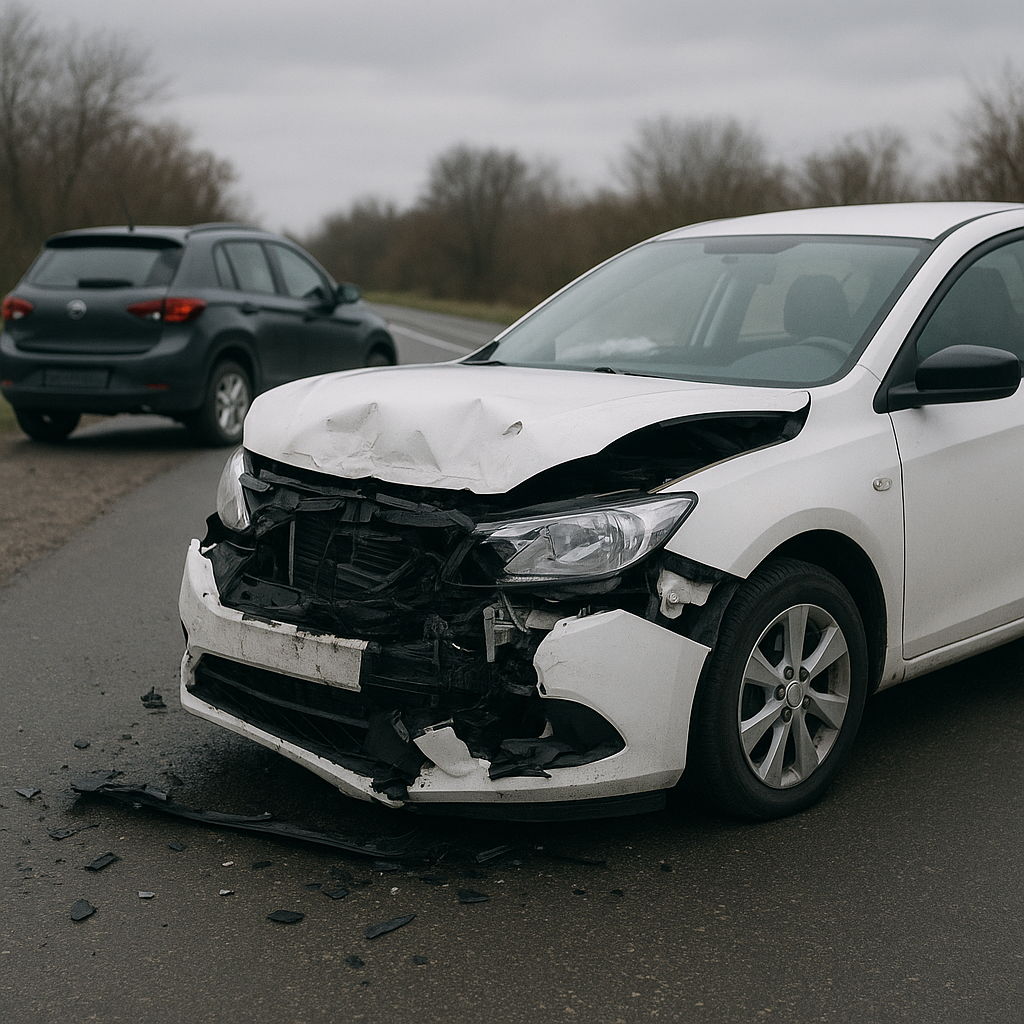
Why Do I Clench My Jaw Since the Crash?
Why This Question Is Common After Severe Accidents
In the aftermath of a severe accident, it’s not unusual for individuals to notice unexpected changes in their bodies or behaviors. One such change is the tendency to clench the jaw, often beginning shortly after the incident and persisting for weeks—or even longer. People who have never experienced any issues with jaw tension before may suddenly find themselves waking up with sore jaw muscles, noticing a tightness in their face, or even being told by friends and family that their jaw appears clenched. Naturally, this prompts concern and curiosity: why is this happening now?
The question, “Why do I clench my jaw since the crash?” is more frequent than it might seem. Accidents of any kind, and especially car crashes or similar traumatic events, can have far-reaching effects not only on physical health but also on the subconscious reactions of the body. Jaw clenching is one such reaction that often emerges in surprising ways.
Clear Neutral Explanation
The phenomenon of clenching the jaw after an accident is a multi-faceted bodily response involving both physical and psychological elements.
From a physical standpoint, a crash subjects the body to immense and sudden forces. Even if there are no visible injuries to the face or jaw, the force of impact can jolt the muscles involved in chewing, closing the mouth, and stabilizing the head. In response to this trauma, the muscles might tighten and remain tense—a natural reaction to injury or threat. This is the body’s way of bracing for protection or responding to the “fight or flight” response that is activated during intense stress or danger.
On a psychological level, a crash is an event that can leave a lasting impression on the mind. The experience can activate stress and anxiety mechanisms, even after the immediate danger has passed. One common way this manifests physically is through jaw clenching, also known as bruxism. The body, in its attempt to cope with ongoing stress, may unconsciously tense muscles as a residual effect of heightened alertness. This is often especially prominent during sleep, when conscious control is reduced and the mind is processing the stress and trauma from the event.
There is also a connection to changes in sleep patterns, increased nightmares, or heightened vigilance—common reactions to trauma. Jaw muscles may tense or contract during these periods of subconscious stress. It is not always noticeable at first, and some individuals only realize they have been clenching their jaw after experiencing muscle soreness, headaches, or dental discomfort.
Helpful Emotional Context
Jaw clenching after a traumatic event can be unsettling. It may serve as a lingering reminder of the incident itself, which can be emotionally distressing. For many, the act of clenching the jaw is not something they are aware of in the moment; it is often noticed later, through discomfort or observation from others.
This experience is intertwined with how the mind and body adapt to life after a traumatic event. The body’s responses, including jaw clenching, may be part of an attempt to regain a sense of control or stability. The awareness that something physical, such as jaw clenching, is continuing after the crash can bring up a mix of emotions—frustration, worry, confusion, or even embarrassment.
It is important to recognize that such changes are a natural part of the adjustment process after trauma. The body and mind are interconnected, and the lingering effects of a crash can reverberate in unexpected ways. Understanding this connection can sometimes provide a sense of reassurance, highlighting that such reactions are a part of how people process and recover from intense experience.
Common Misconceptions
There are several misunderstandings about jaw clenching, especially when it arises after a significant event like a crash. One common misconception is that only those who suffer a direct blow to the face or jaw would experience ongoing clenching. In reality, the phenomenon can affect anyone who has been through a stressful or traumatic accident, regardless of visible injuries.
Another widespread belief is that jaw clenching is entirely voluntary or due to poor habits. In most cases following an accident, the process is involuntary and linked with the body’s general stress response. It is also sometimes thought that clenching will resolve on its own with time. While this may occur for some, for others, jaw tension can become a longer-lasting behavior, sometimes unnoticed for weeks or months.
There is also the assumption that jaw clenching is only expressed while awake. In fact, many people clench their jaws most strongly during sleep, when awareness and control are minimal. This nocturnal clenching is often the underlying cause of morning jaw pain or headaches.
Closing Paragraph
Being aware of the tendency to clench the jaw since a crash is an important step toward understanding the ways in which a traumatic event can continue to influence both the body and mind. The reasons behind this experience are complex, touching on both physical responses to trauma and deeply rooted psychological adaptations. While it can be a source of discomfort or concern, jaw clenching after a crash is a common and natural response to an extraordinary event—a testament to the connection between what the mind has endured and how the body copes in its aftermath.