
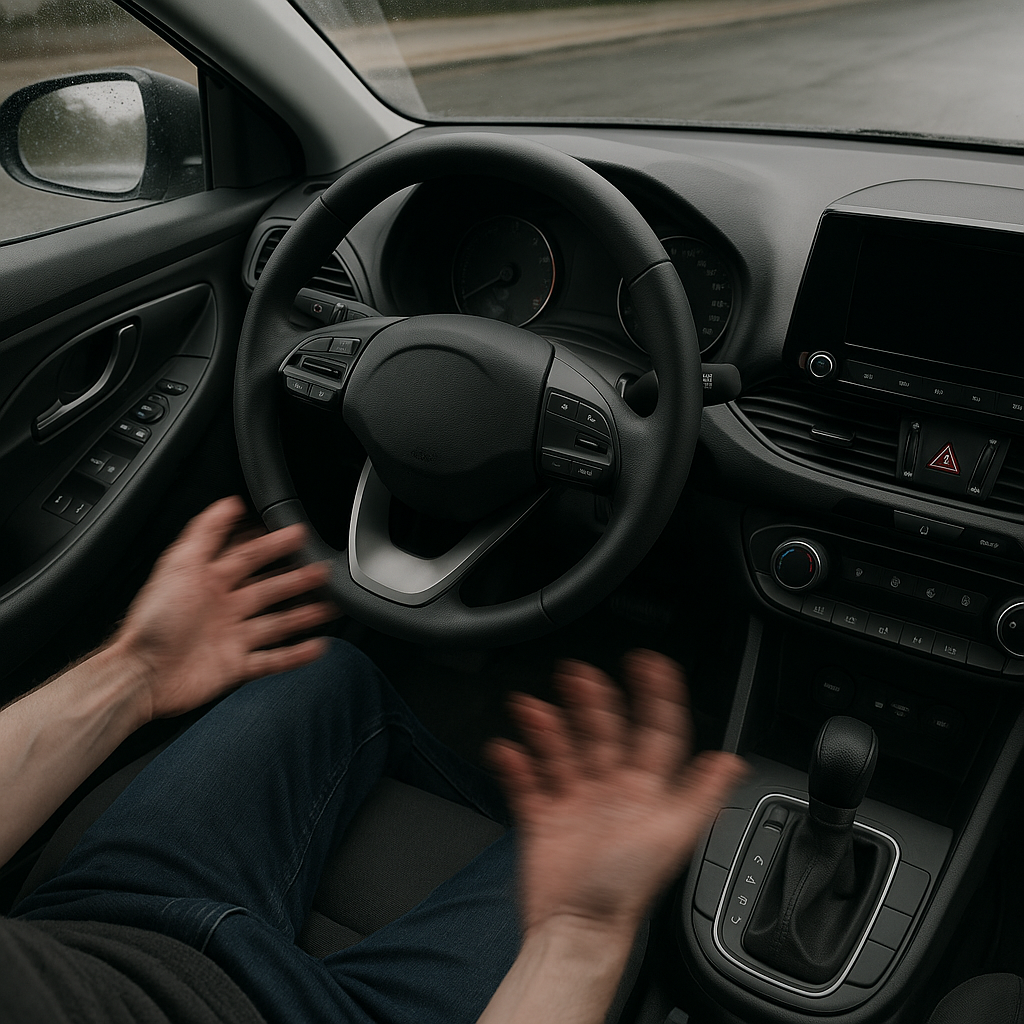
Why Do I Feel Shaky After Driving Short Distances?
Many people find themselves wondering, “Why do I feel shaky after driving short distances?” Experiencing shakiness, jitteriness, or unease behind the wheel can be unexpected, especially when driving only short distances. This sensation can be both confusing and concerning, leading to questions about its cause and what it might indicate. Exploring the possible reasons behind these feelings can help bring clarity and reassurance to those experiencing them.
Why This Question Is Common After Severe Accidents
It’s not unusual for people who have experienced severe car accidents to later notice physical reactions, such as shakiness, even during shorter trips. The memory of a serious incident can leave a deep impression on the mind and body. Every time a person gets behind the wheel, especially soon after an accident, certain stress responses may become triggered—even if the drive is brief.
This lingering response can extend well beyond the actual danger or trauma. Just the act of driving, or even being a passenger, may cause a rise in adrenaline or intrusive thoughts associated with the earlier event. These patterns aren’t limited to long journeys; sometimes, even a five-minute drive is enough to spark noticeable symptoms like trembling, sweating, muscle tension, or a racing heart. Recognizing that these reactions are especially common after significant accidents helps put the sensation of feeling “shaky after driving short distances” into a relatable context.
Clear Neutral Explanation
Shakiness after driving short distances can be attributed to several natural physical and psychological processes. One central factor is the body’s stress response system. When a person feels nervous, anxious, or even just hyper-alert while driving, the body reacts by releasing stress hormones—primarily adrenaline and cortisol. These hormones prepare the body for quick action by increasing heart rate, tightening muscles, and heightening awareness. While beneficial in situations of real danger, these changes can also produce uncomfortable sensations such as shaking or lightheadedness.
For some, these feelings develop after a distressing event like a traffic accident, but they can also arise from other sources: a lack of confidence in driving, unfamiliar traffic environments, low blood sugar, dehydration, or even fatigue. Some individuals notice shakiness simply because driving requires sustained concentration, and this mental load can produce physical symptoms, even on short trips. Furthermore, those with a background of anxiety may be more attuned to bodily changes and interpret normal stress responses as something more alarming.
Helpful Emotional Context
Physical symptoms—like feeling shaky after driving short distances—can have an emotional dimension as well. Many people find that certain triggers, such as the sounds, smells, or sights associated with driving, evoke subtle memories or feelings. For someone who has experienced stress or fear on the road, these triggers can create a feedback loop: minor nervousness triggers physical symptoms, noticing those symptoms causes more worry, and the cycle repeats.
Experiencing shakiness does not mean there is something seriously wrong or that one is incapable of safe driving. Such feelings carry important information about a person’s emotional state or comfort with driving, but they are not a definitive judgment of ability or character. Complicated emotions can linger and show themselves in physical ways, even after the mind believes it has “moved on.”
Common Misconceptions
There are a number of misconceptions about feeling shaky after driving short distances. One frequent misunderstanding is that this reaction always signals a severe health problem or that it is a sign of permanent trauma. In many cases, this shakiness simply represents a temporary, natural response to stress, exertion, or heightened awareness.
Another misconception is that only anxious or “nervous” people experience these symptoms. In reality, anyone—regardless of background or personality—can feel shaky, especially during periods of increased stress, after changes in routine, or following emotionally significant events.
It’s also easy to believe that shakiness after driving a short distance means someone should avoid driving altogether. While each person’s situation is unique, the appearance of symptoms does not automatically prohibit enjoyable or independent driving over time. The body and mind sometimes need a period of adjustment, and transient shakiness may be part of this process.
Conclusion
Wondering, “Why do I feel shaky after driving short distances?” is both a valid and common concern. The sensation can stem from normal physiological responses, emotional memories, or a combination of factors—all shaped by individual experience and context. Recognizing that this is a widespread occurrence, especially following stressful events, can help alleviate some of the worries associated with it. The body has many subtle ways of processing stress, and feeling shaky is one of them. Understanding these reactions helps bring a sense of normalcy and reassurance to those who encounter them.