
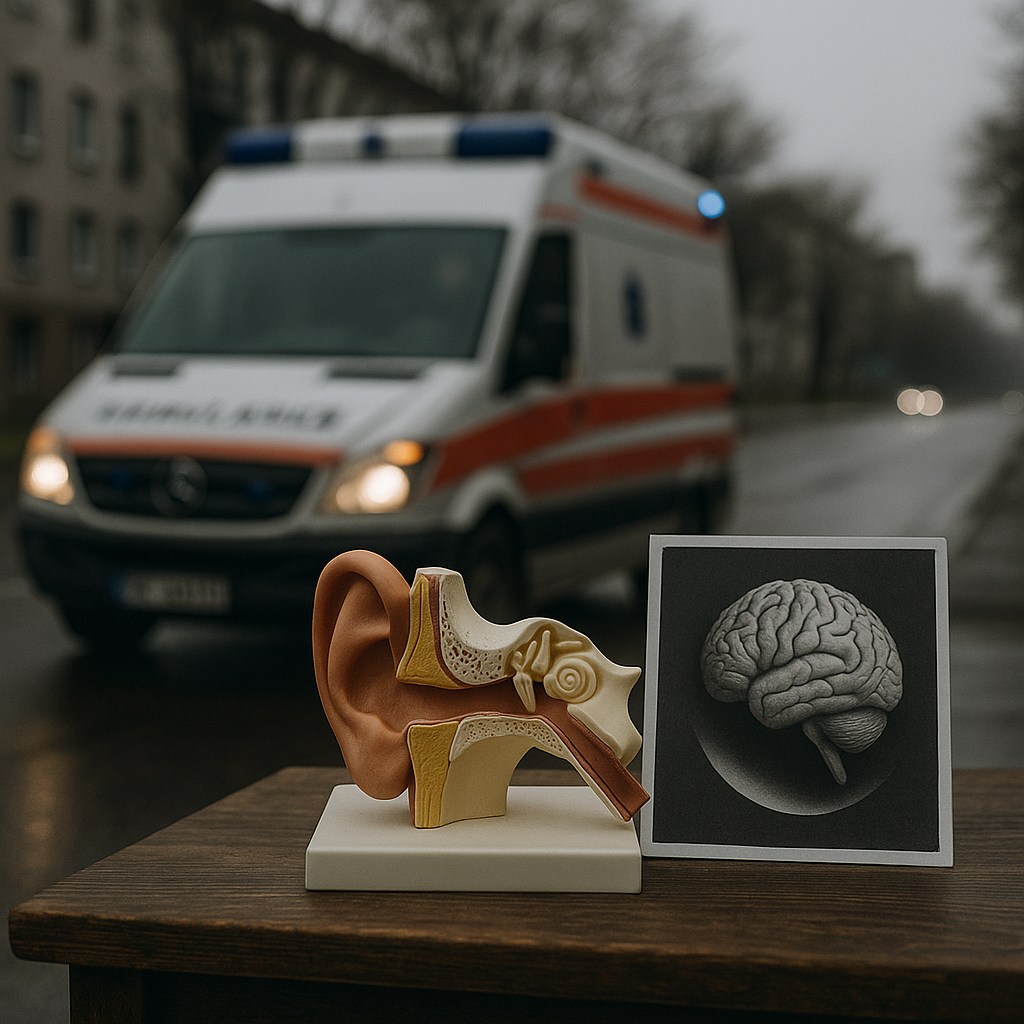
How Trauma Impacts Hearing Sensitivity
Overview of Shock and Trauma After Truck Accidents
Experiencing a truck accident can be profoundly unsettling, often leaving people in a state of shock. This immediate response commonly arises from the suddenness of the event and its potential to threaten physical and emotional safety. In the aftermath, trauma can manifest in various forms, influencing not only mental and emotional wellbeing but also the way the body responds to everyday stimuli—including hearing.
Truck accidents tend to be especially jarring due to their size, scale, and the noises involved. The body’s built-in survival mechanisms engage quickly, sometimes before the mind has time to process what is happening. In many instances, individuals may become hyperaware of their surroundings, which can include heightened sensitivity to sound. This experience, often referred to as “hearing sensitivity trauma,” is a recognized phenomenon connected to the body’s response to traumatic events.
Why the Body and Mind React This Way
The body’s reaction to trauma is rooted in survival. When exposed to a traumatic event like a truck accident, the brain initiates a cascade of responses intended to protect the individual from harm. The “fight, flight, or freeze” response is activated, releasing stress hormones such as adrenaline and cortisol. These hormones prepare the body to respond quickly to danger.
Changes in hearing sensitivity after such experiences are believed to be part of this protective mechanism. When a traumatic event occurs, the senses—hearing included—can become sharply attuned to possible threats in the environment. This hypervigilance allows individuals to anticipate danger more effectively, but it may also linger long after the immediate threat has passed. The mind’s association between loud, sudden noises and the accident can contribute to ongoing hearing sensitivity. Even in safe situations, sounds that resemble those heard during the trauma (such as the screech of brakes or a car horn) can trigger heightened alertness or discomfort.
Common Reactions People Experience
Hearing sensitivity after trauma can take several forms. Some individuals notice an increased awareness of everyday sounds, which may previously have gone unnoticed. Others find certain noises—especially those associated with the accident—suddenly become unpleasant or overwhelming. This state is sometimes referred to as hyperacusis, characterized by an abnormal sensitivity to sound.
Specific reactions may include:
– Heightened Startle Reflex: Unfamiliar or loud noises might provoke a strong startle reaction. For example, a door slamming or sudden traffic noise could trigger feelings of fear or anxiety.
– Aversive Responses to Specific Sounds: Sounds that resemble those from the traumatic event, such as sirens, horns, or engine rumbling, may evoke distressing memories or physical discomfort.
– Difficulty Filtering Noise: Individuals may find that background noise becomes distracting or difficult to ignore, making it hard to concentrate in noisy environments like busy streets or public places.
– Physical Sensations: Some experience ringing in the ears (tinnitus) or actual pain in response to certain volumes or frequencies of sound following trauma.
– Emotional Reactions: Hearing sudden or loud sounds may prompt feelings of nervousness, irritability, or sadness, often tied to remembered aspects of the incident.
It’s important to note that these responses exist across a spectrum and can vary considerably from person to person. Some people may become more sensitive to sound, while others might notice little to no change in their hearing after a traumatic event.
How These Reactions Can Change Over Time
The intensity and duration of hearing sensitivity following trauma can change with time. For many, the early days or weeks after a truck accident are the most pronounced, as the mind and body adjust to new routines and begin to process what happened. Gradually, as recovery progresses, the heightened sensitivity to sound may lessen. For some, however, these reactions may persist longer, depending on individual differences, the severity of the trauma, or ongoing stressors.
– Adaptation: As time goes on, many people find that their hearing sensitivity gradually decreases. Repeated exposure to previously distressing sounds in safer settings can help the nervous system recalibrate, reducing the startle responses.
– Triggers and Setbacks: Certain reminders of the original trauma may occasionally bring back acute sensitivity, even if improvement has occurred. This can be unpredictable and linked to stress or additional life changes.
– Variable Recovery: Each person’s recovery timeline is unique. Some individuals adapt quickly; others may benefit from various coping strategies as they navigate ongoing sensitivity.
Ongoing research continues to explore how and why hearing sensitivity can persist after trauma, underscoring that these experiences are both common and valid.
Closing Reassurance Paragraph
Individuals who notice changes in their hearing sensitivity after a traumatic event like a truck accident are not alone in experiencing these reactions. The human body and mind respond in complex ways to stressful situations, and heightened sensitivity to sound is a well-documented aspect of the post-trauma experience. Over time, many people observe shifts or improvements in these responses as healing progresses. Understanding that such sensitivity is part of a broader pattern of adjustment can help support a sense of normalcy during the recovery process.