
How Trauma Affects Blood Pressure Feelings
Overview of Shock and Trauma After Truck Accidents
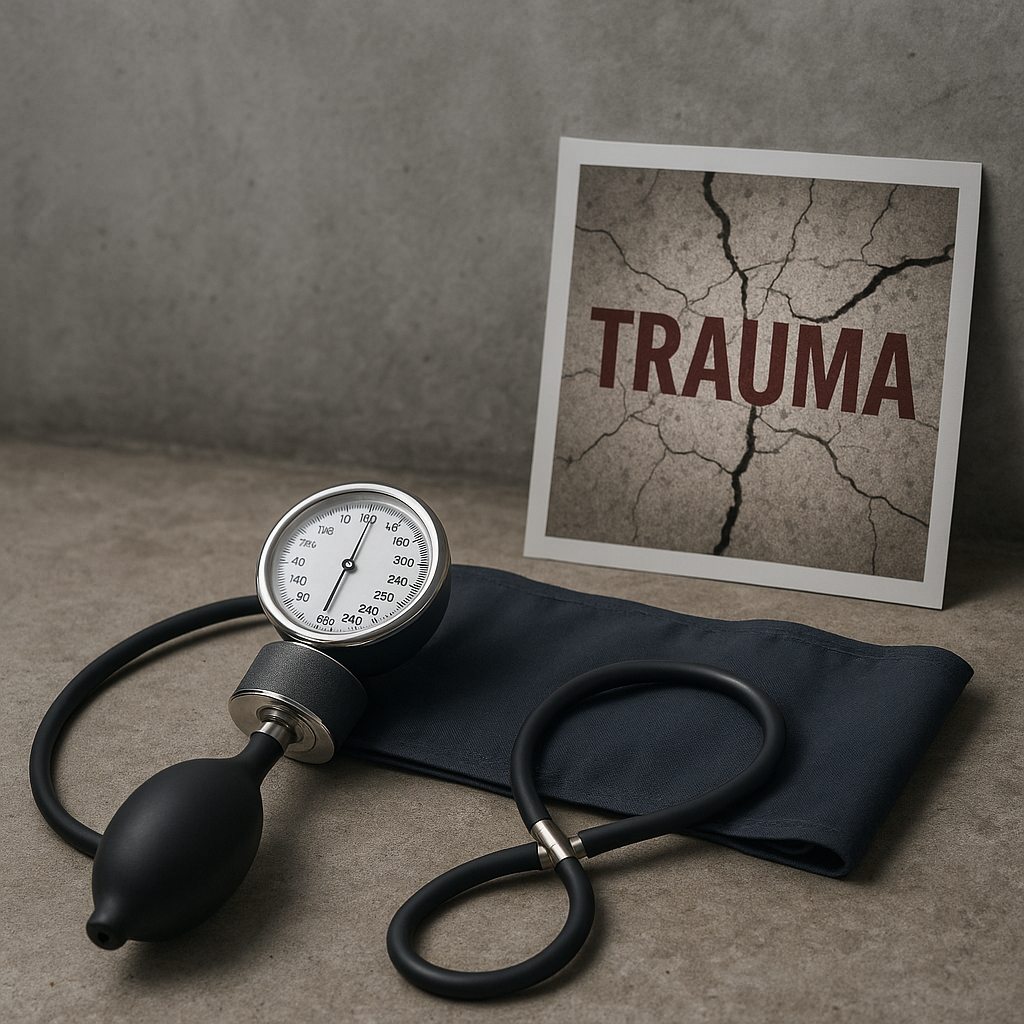
Experiencing a truck accident can be overwhelming in many ways. While much of the focus often falls on visible injuries, it’s important to recognize the less obvious effects, such as changes in how your body feels—especially in connection with “trauma blood pressure sensations.” Trauma, particularly of a sudden and intense nature like a truck collision, can lead to a cascade of emotional and physical reactions. These reactions often go hand-in-hand with changes in the body’s vital functions, including blood pressure.
Immediately following a traumatic event, people may go into a state commonly described as “shock.” In this context, “shock” doesn’t always mean a life-threatening medical condition requiring emergency care; it can also refer to a physiological and emotional response to overwhelming events. For some, this includes feeling shaky, lightheaded, or experiencing their heart pounding—sensations closely tied to shifts in blood pressure regulation. These reactions are largely automatic and serve as the body’s way to manage a perceived threat or stress.
Truck accidents, due to their size, force, and suddenness, tend to produce particularly strong shock responses. For some survivors, the aftermath includes not only concern for physical injuries but also discomfort and confusion over changes in bodily sensations—one of the most commonly reported being “trauma blood pressure sensations.”
Why the Body and Mind React This Way
To understand why these changes occur, it’s helpful to look at the body’s natural stress response. The “fight, flight, or freeze” response is the body’s inbuilt way of dealing with danger, and it is powered by complex interactions between the brain, nervous system, and hormones.
When someone experiences trauma—such as from a truck accident—the brain quickly sends signals throughout the body to release stress hormones like adrenaline and cortisol. These chemicals are responsible for causing several familiar stress reactions, including increases in heart rate and blood pressure. This process prepares the body to react quickly to any potential dangers on the road or at the crash site.
This surge in activity is helpful in the moment, as it allows a person to move quickly, think fast, and stay alert to threats. However, these same reactions are not always easily “shut off” after the danger has passed. As a result, many people find themselves stuck with lingering or unexpected bodily sensations that can be confusing. Elevated blood pressure, a racing heart, and even waves of dizziness or tiredness are just some examples of how the body continues to respond after the initial trauma.
Common Reactions People Experience
Different individuals experience trauma in their own unique way, yet there are a number of common patterns, particularly relating to blood pressure sensations:
– Racing Heart and Palpitations: A pounding or irregular heartbeat is often reported. This can feel startling, especially in quiet moments after the excitement of the event has passed.
– Feeling Faint or Lightheaded: Some people notice that they suddenly feel weak or as though they might pass out. These sensations are often linked to rapid changes in blood pressure.
– Flushing or Sweating: Rapid circulation or hormonal surges following trauma can cause the skin to feel warm or produce sweating, even in a cool environment.
– Unusual Awareness of Heartbeats: Trauma can make a person more conscious of physical sensations, making each heartbeat or blood pressure change more noticeable.
– Ups and Downs in Energy: Periods of agitation may alternate with feelings of fatigue. Both high and low blood pressure feelings can occur, depending on a person’s unique reaction.
– Continued Startle Response: Even small triggers—such as a loud noise or sudden movement—can lead to a “jolt” of adrenaline, repeating the cycle of blood pressure fluctuations.
For many, these trauma blood pressure sensations heighten anxiety and can be mistaken for ongoing medical problems, adding an extra layer of worry in an already difficult time.
How These Reactions Can Change Over Time
The intensity and frequency of trauma-related blood pressure sensations often fade as the days and weeks pass after an accident. However, the trajectory is different for each individual. In the immediate aftermath, the body’s alarm system is highly active, making blood pressure fluctuations and bodily sensations more pronounced. During this period, some people may experience these reactions frequently, especially when thinking about or discussing the accident.
For others, symptoms do not resolve as quickly. Sometimes, stress responses can persist longer, or might fade and then recur unexpectedly, often in response to reminders of the event or during times of general stress. It is not uncommon for some sensations to linger or reappear suddenly, even when a person believes they are “over” the trauma.
Over time, as the body recognizes that the immediate danger has passed, most people will notice a gradual decrease in the intensity and number of unusual sensations. The body’s stress response system, while very efficient at ramping up to meet an emergency, takes a little while to return to a more balanced state. Some individuals find that relaxation and grounding techniques help them adjust, while others simply notice improvements as routines and daily life resume.
For a minority, however, symptoms can persist or interfere with normal functioning for an extended period. This is one of the ways trauma can have ongoing effects that may need further attention and understanding.
Closing Reassurance Paragraph
Experiencing unusual blood pressure sensations and bodily responses after a traumatic event such as a truck accident is a common and understandable reaction. These feelings are often a sign that the body is working hard to process an overwhelming experience and restore balance. While most people will see these responses diminish with time, the path to recovery is not the same for everyone. Recognizing these changes as natural responses, rather than faults or signs of permanent damage, can foster understanding and patience during the recovery process.