
Why do I feel powerless during recovery?
Why this question is common after severe accidents
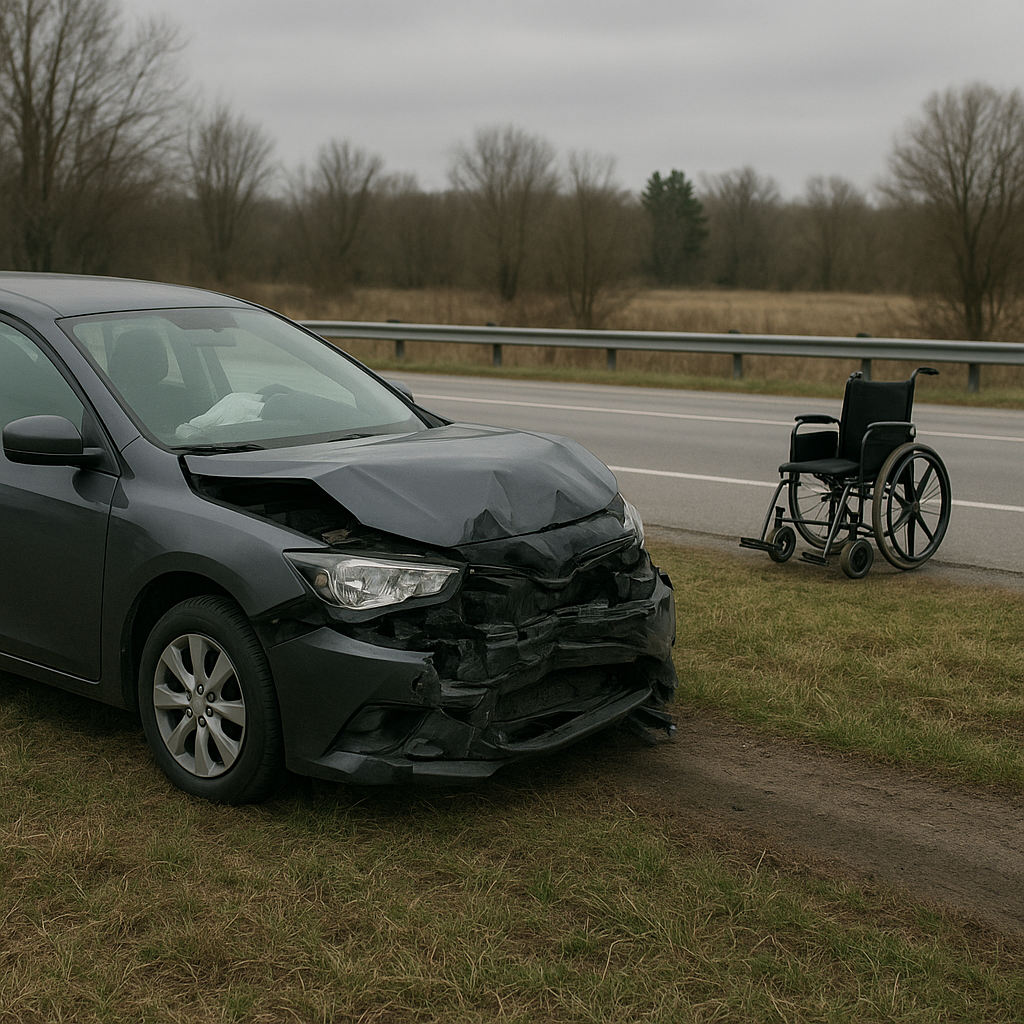
Experiencing a severe accident can be an overwhelming and life-altering event. In the days, weeks, or even months that follow, it is not unusual to notice a profound change in both physical and emotional states. “Why do I feel powerless during recovery?” becomes a recurring question for many individuals after a crash or serious injury. This sense of powerlessness has roots in the sudden loss of control, shifting dependence on others, and the complex healing process that often follows traumatic incidents.
Many survivors report feeling as though their bodies are no longer wholly their own, or that their usual roles in daily life are simply out of reach. Activities that once seemed routine may now feel daunting or impossible. The experience of being thrust into medical systems, adapting to physical limitations, or negotiating complicated insurance and legal matters can deepen that sense of being at the mercy of forces beyond one’s control. All of these elements set the stage for questioning personal agency and experiencing periods of emotional fragility during recovery.
Clear neutral explanation
The feeling of being powerless during recovery after a crash can be understood as a natural response to sudden and significant change. Recovery from a traumatic incident disrupts established routines, physical abilities, and sometimes even one’s sense of identity. Bodily injuries can limit mobility, stamina, or dexterity, which immediately alters the level of independence most people are accustomed to. Simple tasks may require assistance or be impossible for a time, impacting everything from basic self-care to social involvement.
On a psychological level, traumatic events often lead to a sense of vulnerability. The mind’s attempt to process what happened, coupled with the uncertainty of recovery timelines or outcomes, can contribute to feelings of helplessness. Being subjected to medical procedures, rehabilitation schedules, and the authority of healthcare providers reinforces the perception that personal control is diminished. For many, recovery is not only about regaining physical function but also about navigating unfamiliar roles and expectations — both from oneself and from others.
The process is rarely linear. Setbacks are common and progress may appear frustratingly slow. The change from being “in charge” of daily life to a mode of reliant adaptation is rarely comfortable. Being unable to predict when or how previous functionality will return — or if it ever will — prompts many people to reflect on where their sense of control actually lies.
Helpful emotional context
From an emotional viewpoint, the tumult experienced after a crash is complex and multilayered. Powerlessness during recovery is often linked with a range of other feelings, such as frustration, sadness, anger, or anxiety. These reactions are normal and are part of the broader psychological impact of trauma. The disconnect between the desire for autonomy and the current reality can result in emotional distress.
These emotions do not mean something is wrong with the person experiencing them; rather, they signal that the mind and body are responding to an extraordinary circumstance. During recovery, people often grieve the temporary or permanent loss of abilities, which can manifest as a sense of mourning for their former selves or capabilities. Adaptation takes time, and the emotional journey of someone recovering from a crash is deeply personal and varied.
Additionally, the circumstances surrounding the accident itself may influence emotional experiences. If the crash was caused by another party, or if the outcome is perceived as unfair, the sense of powerlessness may be intensified by feelings of injustice or lack of closure.
Common misconceptions
It is a commonly held belief that strength in recovery is measured by independence or stoicism. This misconception can lead people to judge themselves harshly for feeling powerless after a crash. There is often an implicit expectation — both external and internal — that recovery should progress quickly or that emotional discomfort should be minimized or overcome. This overlooks the reality that powerlessness is a typical and human response to trauma and loss.
Another misconception is that powerlessness indicates personal weakness or failure. In actuality, the experience is a reflection of the temporary, and sometimes profound, shift in control that comes with injury or illness. External factors, such as navigating the healthcare system or adapting to bodily changes, play significant roles regardless of one’s willpower or determination.
People may also believe that the only way to combat powerlessness is through regaining former levels of function as quickly as possible. The truth is that recovery involves far more than physical milestones. The emotional and cognitive adjustment to new limitations (temporary or permanent) can be equally significant, yet is less visible and often less acknowledged.
Closing paragraph
Feeling powerless during recovery after a crash is a shared experience, shaped by physical changes, emotional responses, and the complex nature of healing from trauma. This sense of diminished control does not reflect personal failure, nor does it predict the ultimate outcome of recovery. Instead, it reveals the profound impact of unexpected change and the human mind’s process of adapting to new realities. Understanding this experience as a normal part of recovery can offer reassurance and help foster patience while navigating the often unpredictable path to healing.