
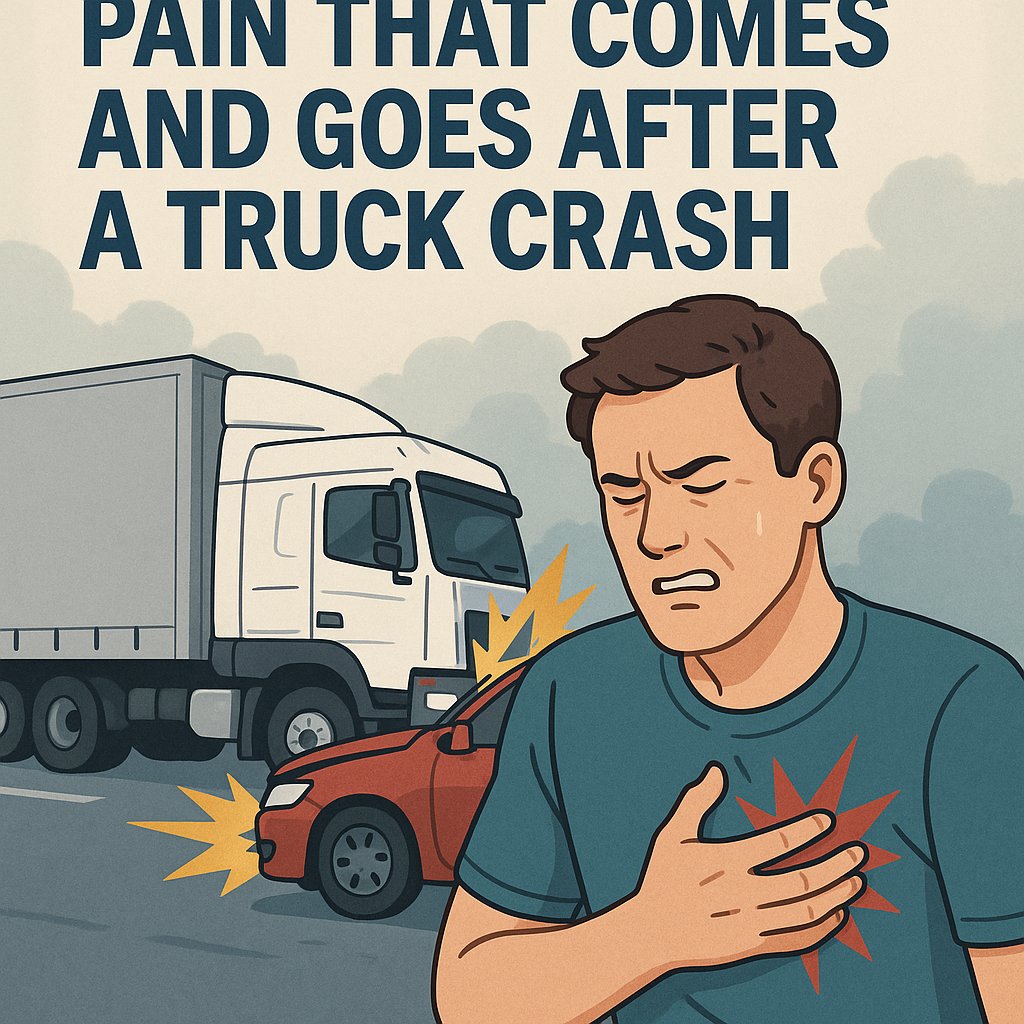
Pain That Comes and Goes After a Truck Crash
Experiencing pain after a truck crash is common, but many people are surprised when that pain comes and goes rather than remaining constant. Understanding why pain can return, disappear, or shift in intensity after such an incident is important for anyone involved in a collision. This article explores the possible patterns and reasons for fluctuating pain after a truck crash, why symptoms might emerge or change with time, and when individuals typically begin to observe and monitor their physical condition.
Why Symptoms Can Appear after Truck Accidents
A truck crash is a significant physical and psychological event that affects the body in numerous ways. Unlike a minor bump or a small fender bender, truck accidents usually involve a greater force due to the size and weight of commercial vehicles. This higher energy transfer can result in a variety of injuries—some immediately noticeable, others more subtle.
In many cases, the body’s natural “fight-or-flight” response releases a flood of adrenaline and other stress hormones. These biological changes can mask pain and discomfort in the immediate aftermath of the crash. As these hormones subside, the underlying effects of the collision—including soreness, stiffness, or other sensations—can become more apparent. Sometimes, symptoms only surface hours or even days later.
Additionally, the emotional shock and stress linked to being in a crash can delay the perception of pain. People may be preoccupied with paperwork, contacting family members, or dealing with insurance, and only start to notice physical symptoms after the initial anxiety fades.
Common Symptom Patterns (No Medical Instructions)
When discomfort from a crash comes and goes, it can follow several patterns. While each individual’s response is unique, some common symptom patterns have been observed after truck accidents:
Delayed Onset
Pain that’s not present immediately but appears hours or days after the crash is common. This might include a stiff neck the morning after, soreness along the back after a day of rest, or headaches emerging in the days following the incident.
Intermittent Pain
Sometimes, pain might only be noticeable during certain activities or movements, such as turning the head, lifting objects, or bending over. At rest or in positions that don’t strain affected areas, the pain may subside, leading to a fluctuating experience.
Migratory Discomfort
People may feel soreness move from one part of the body to another. For instance, a minor ache in the shoulders may shift toward the lower back after sitting or walking, depending on which muscles and joints were affected by the impact.
Flare-Ups
Certain activities, weather conditions, or stress levels can cause pain to unexpectedly flare up after seeming to resolve. This pattern of relief and relapse can make discomfort seem unpredictable, which may be frustrating or confusing for those experiencing it.
Why Symptoms Can Change Over Time
Pain and other symptoms can evolve long after a truck crash for a variety of reasons. The body is a complex system, and healing or adaptation is not always a linear process.
Body Compensation
When injured, the body often compensates by shifting weight or movement patterns away from the affected area. This compensation can lead to overuse or strain in other muscles and joints, leading to new sensations of discomfort in different places or at different times.
Inflammation Cycles
Healing processes such as inflammation do not happen uniformly. Swelling and tissue response may ebb and flow with activity, rest, or even the time of day. As a result, someone might feel fine in the morning, only to notice discomfort increase later in the evening.
Emotional Factors
Stress and emotional reactions following a traumatic event like a truck crash can also affect symptom patterns. Anxiety, sleeplessness, and mood changes can heighten awareness of pain or make it seem more intense at certain times.
Gradual Awareness
Sometimes, the nature of pain shifts as people become more aware of their bodies post-accident. What at first seemed like minor discomfort can be reclassified as more significant if persistent, allowing earlier unnoticed symptoms to emerge.
When People Typically Start Monitoring Symptoms
Most people begin paying closer attention to their symptoms once the immediate aftermath of the crash subsides. This period can range from a few hours to several days post-incident. The initial chaos—exchanging information, speaking with authorities, contacting insurance companies, or arranging transportation—often takes priority over physical sensations.
After this busy period, individuals might notice stiff muscles, soreness, or headaches as they return to daily routines. For some, pain is obvious only when performing normal activities such as walking, lifting, or even sleeping. These intermittent reminders often prompt people to monitor their symptoms more systematically, whether by keeping a log, noting activities that trigger discomfort, or becoming more attuned to how their bodies feel.
It’s also common for people to start tracking symptoms in response to work obligations, family commitments, or legal or insurance-related requirements. For instance, someone might first notice intermittent pain when returning to a physically demanding job, or when prompted by documentation needed for a claim.
Neutral Closing Paragraph
Experiencing pain that comes and goes after a truck crash is not unusual. Physical symptoms can be influenced by a variety of factors, from the body’s natural healing processes to changing activity levels and emotions. By understanding the possible reasons behind fluctuating pain, individuals can be better prepared to observe and describe what they’re experiencing in the aftermath of a crash. Recognizing the diverse patterns in which symptoms can appear is a helpful step toward navigating the recovery process and making informed decisions about overall well-being.