
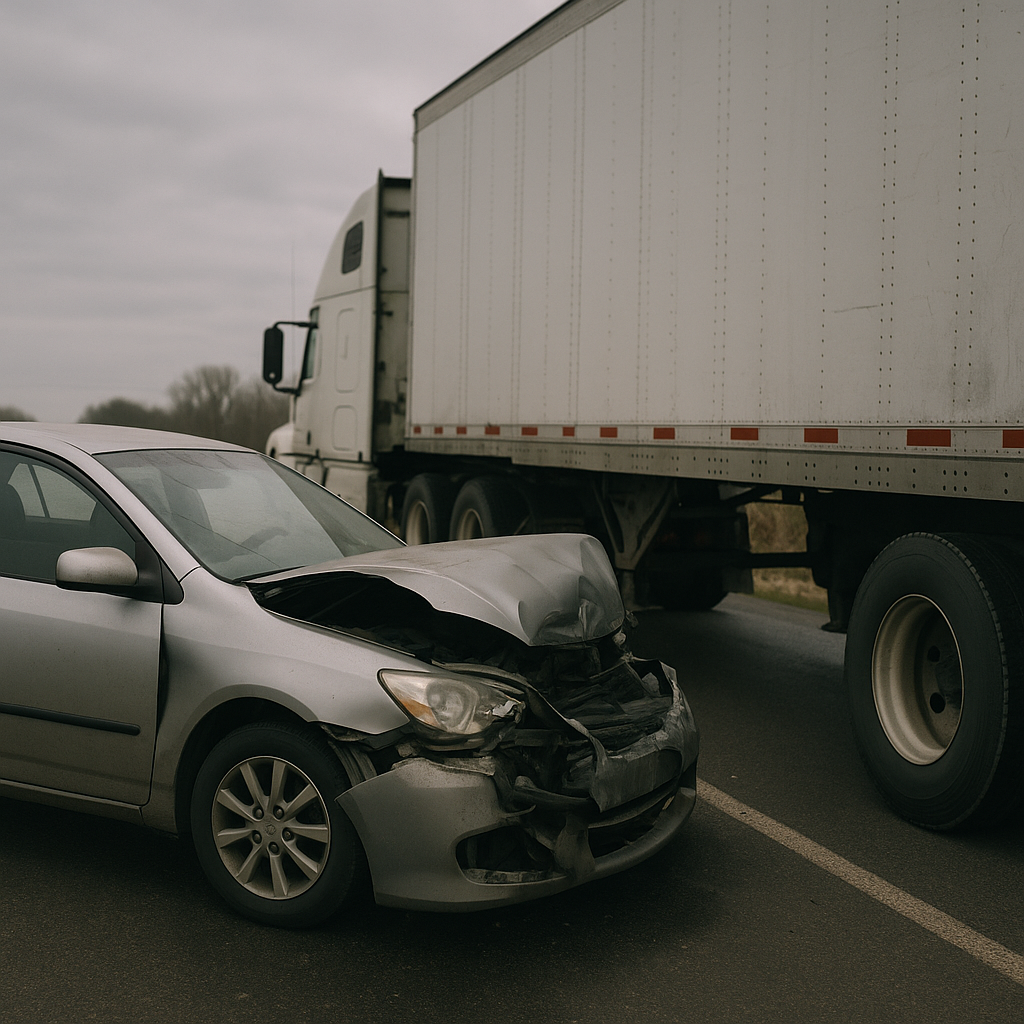
Why Do I Feel Guilty After Being Hit by a Semi Truck?
Being involved in a severe accident, such as being hit by a semi truck, is a deeply distressing experience. For many, surviving such a traumatic event brings not just physical injuries, but also a complicated web of emotional reactions. One feeling that surprises many accident survivors is guilt. If you find yourself grappling with the question “Why do I feel guilty after being hit by a semi truck,” know that you’re not alone. Many individuals struggle with this emotion, even when they logically know the accident was not their fault.
Why This Question Is Common After Severe Accidents
Following a major accident, intense emotions often flood the mind. Survivors may wrestle with shock, confusion, fear, and sadness. Amid this emotional whirlwind, guilt can quietly arise and linger for days, weeks, or even months.
There are several reasons why the question “Why do I feel guilty after being hit by a semi truck?” is so prevalent. Traumatic events challenge our sense of safety and personal control. Some accident survivors instinctively scan their own choices and behaviors, wondering if they somehow contributed to what happened. Others might feel undeserving of sympathy or support, especially if other people were hurt more severely, or if they themselves survived while someone else did not. Guilt, although irrational in most cases, can therefore become an emotional stand-in for the brain’s effort to make sense of a chaotic event.
Severe accidents like those involving semi trucks can also draw significant attention from family, friends, and the community. The support can be reassuring, but it sometimes heightens feelings of guilt—especially if loved ones take on new burdens or stress because of the accident.
Clear Neutral Explanation
Guilt after surviving a traumatic event such as a collision with a semi truck is a well-documented psychological response. While guilt often relates to something a person did wrong, in the context of trauma, it does not necessarily reflect any wrongdoing. This type of reaction is sometimes classified under “survivor guilt” or “trauma-related guilt.”
There are several reasons for these feelings:
– Perceived Responsibility: Even if the accident was unavoidable or not your fault, your mind might search for things you “could have” done differently—driving a different route, leaving earlier, or noticing the truck sooner. The human brain craves explanations, and self-blame can sometimes feel safer than accepting that some events are truly outside anyone’s control.
– The Impact on Others: If other people were involved or affected by the accident, guilt can arise from witnessing their pain or inconvenience. Family members may have to take time off work, friends may offer extra emotional support, and emergency responders may reroute resources. Many survivors feel guilty for “causing trouble” for those around them.
– Survivor Guilt: In tragedies where some people are injured more seriously, or where there are fatalities, some survivors experience guilt simply for having fared “better.” This emotional reaction is common and doesn’t reflect any rational failing or fact about the situation.
It’s important to recognize that these feelings do not mean you were actually responsible for the accident. Instead, the guilt is a complex psychological response to trauma and uncertainty.
Helpful Emotional Context
Emotional responses after an accident are shaped by a combination of psychological, social, and even cultural factors. After a traumatic, uncontrollable event, it’s common for people to look for ways to regain a sense of agency. Guilt can sometimes help construct a false narrative of control: “If I did something wrong, maybe I can prevent this from happening again.” It’s an attempt to protect oneself from the randomness of tragedy.
Additionally, society often holds individuals to high standards around safety and responsibility—especially on the road. Even if the collision with the semi truck was entirely out of your hands, you may subconsciously adopt these standards and judge yourself harshly.
Feelings of guilt can also be intensified by stress, isolation, and disruption to regular routines—common after serious accidents. Recovery, insurance issues, and enduring injuries are constant reminders of the event, reinforcing a cycle of emotional distress.
Common Misconceptions
A few misconceptions about guilt after being hit by a semi truck can make these feelings worse:
– “I must have done something wrong.” Many believe guilt is a sign that they are truly at fault. In reality, guilt after trauma is often detached from factual responsibility.
– “Everyone else would have reacted differently.” Survivors may compare themselves harshly to others, imagining that someone else could have avoided the accident. This belief is rarely based on facts and often ignores the unique, unpredictable circumstances of severe collisions.
– “Feeling guilty means I’m weak.” Experiencing guilt after trauma is a sign of a thoughtful, empathetic person, not a flaw or weakness.
– “I don’t deserve to feel upset.” Some survivors believe their pain or distress is not justified, especially if others were hurt more badly. Every emotional reaction after trauma is valid, regardless of the outcome for others.
Closing Paragraph
If you find yourself feeling guilty after being hit by a semi truck, know these emotions are a natural part of processing trauma. The mind is working to understand what happened and adjust to life’s unexpected changes. While guilt can be confusing and heavy, it does not reflect your true responsibility or worth. Acknowledging these feelings, without judgment, is a meaningful step toward making sense of an incredibly difficult experience.