
Coping with Frustration During Slow Healing
Overview of Daily Coping Challenges After Severe Truck Accidents
The journey toward recovery after a severe truck accident often involves a period of slow healing that can test the patience and resilience of anyone affected. During this time, frustration is a common emotional response. Many individuals find their lives temporarily restricted in ways they never anticipated—facing hurdles both physical and psychological. The gradual nature of the healing process often clashes with the human desire for immediate results, creating a unique set of coping challenges that unfold each day.
Frustration may stem from the sudden loss of independence, the inability to engage in once-routine activities, or the ongoing discomfort associated with injuries. This emotional turbulence is sometimes compounded by uncertainty over recovery timelines. The unpredictability of symptoms, temporary setbacks, and the extended duration of rehabilitation can make progress feel elusive. These circumstances present a host of daily difficulties for those navigating slow healing after trauma.
Common Daily Difficulties
After a severe truck accident, individuals often encounter a variety of recurring challenges as part of their recovery journey. Some of the most common daily difficulties include:
– Worsening of symptoms or slow progress: Many people experience days when pain, swelling, or fatigue intensifies, which may feel like setbacks and cause a dip in morale.
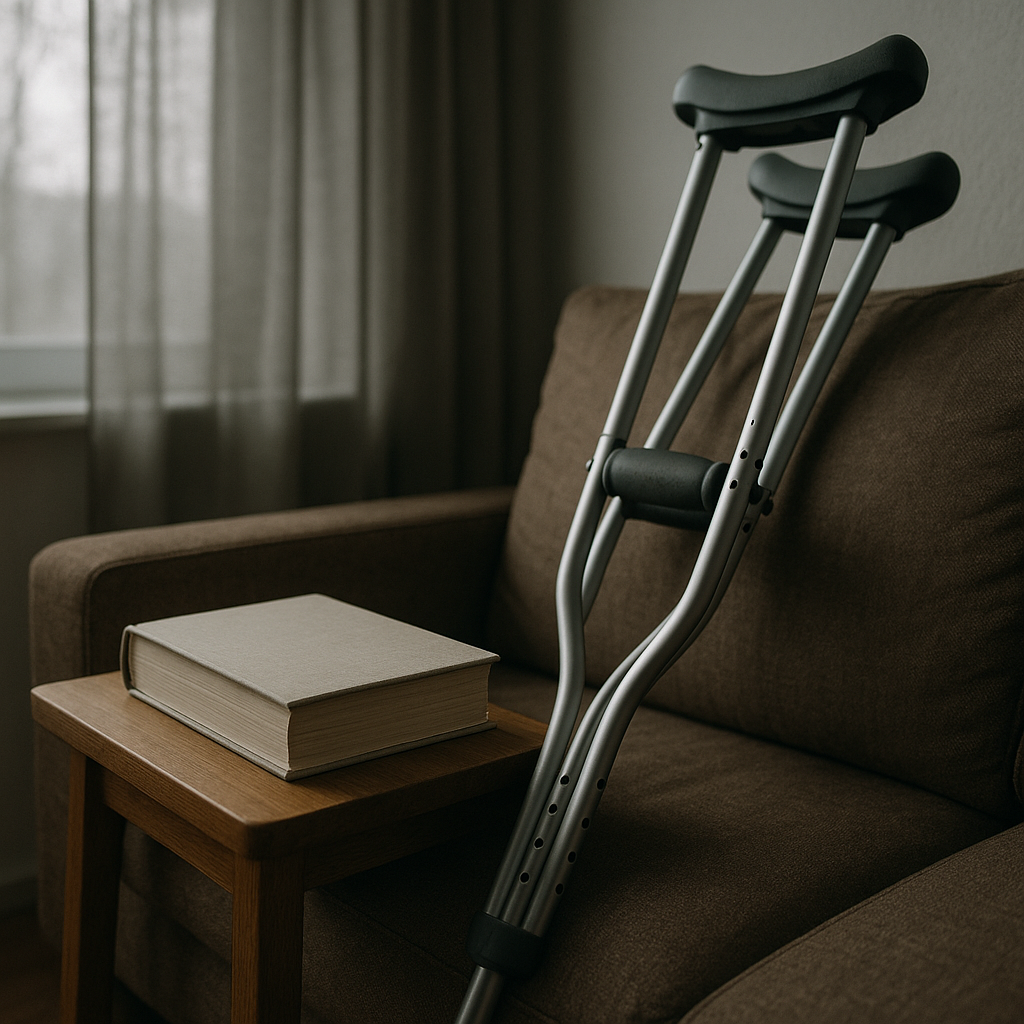
– Physical limitations: Everyday movements such as walking, bending, or lifting objects can become challenging or impossible, disrupting established routines.
– Fatigue and low energy: The body’s resources are often focused on healing, which leaves less energy for work, family obligations, and leisure activities.
– Sleep disturbances: Pain, anxiety, or medications may interfere with the ability to get restful sleep, which in turn impacts mood and energy levels.
– Mood fluctuations: Feelings of irritability, sadness, or anger can become more pronounced as frustration about the slow pace of healing accumulates.
– Dependency on others: Relying on family members, friends, or caregivers for transportation, household tasks, or personal care can create feelings of helplessness or embarrassment.
– Isolation: Limitations in mobility or energy can reduce opportunities for social interaction, which may contribute to loneliness.
– Financial and occupational stress: Concerns about missed work, mounting medical bills, and altered employment prospects may add an additional dimension of stress.
Repeated exposure to these challenges can leave individuals feeling vulnerable and frustrated, sometimes even triggering doubts about the possibility of full recovery.
Practical Coping Systems People Often Use
While each person’s experience is unique, many find that certain practical coping systems help navigate the frustrations associated with slow healing. These approaches, which arise organically or are discovered through personal insight, are often shaped by individual circumstance, personality, and the support available. Some examples include:
– Focusing on achievable goals: Rather than aiming for immediate, dramatic improvement, many set smaller, attainable milestones. A sense of accomplishment from minor progress can help mitigate feelings of stagnation and frustration.
– Seeking connection: Some individuals reach out to loved ones or support groups—sometimes in-person, sometimes online—for encouragement and understanding. Sharing experiences with people who grasp the complexities of recovery can be reassuring.
– Managing expectations: Adjusting internal narratives about what recovery “should” look like may ease self-imposed pressure. Acceptance of a new pace for healing can help reduce frustration when progress seems slow.
– Engaging in distraction activities: Picking up hobbies or activities that accommodate physical limitations offers mental relief from the monotony of recovery. Reading, watching films, or engaging with creative pursuits can serve as welcome distractions.
– Tracking improvements: Some people record progress over time, noting both physical changes and emotional developments. Looking back on documented improvements often fosters a sense of hope and accomplishment.
– Practicing self-compassion: Offering oneself patience and understanding during setbacks can prove grounding. Recognizing that frustration is a valid emotional response also helps to normalize the experience.
– Relying on professional support: Engaging with therapists, counselors, or rehabilitation specialists allows space for emotional processing and skill-building around managing frustration.
– Inviting mindfulness or relaxation: Breathing exercises, meditation, or gentle stretches are often incorporated to help disrupt cycles of rumination and tension, creating moments of calm even during slow healing.
These coping systems are developed, refined, and sometimes abandoned or replaced as individuals learn what best fits their unique experiences with frustration and slow healing.
How Coping Improves Gradually Over Time
Coping with frustration does not usually happen all at once. For most, it is a dynamic process that changes alongside physical healing and emotional adaptation. Early in recovery, frustration may be frequent and overwhelming. As time passes, even small improvements in function or comfort can help build a foundation for greater emotional resilience.
Over weeks and months, the daily practice of using coping systems can lead to increased confidence. Perseverance through periods of slow healing often nurtures patience and adaptability—qualities that tend to grow stronger as one repeatedly overcomes unexpected obstacles. Over time, individuals may discover new strengths or cultivate a different perspective on personal progress. The patience learned through managing frustration sometimes produces a greater appreciation for even minor victories.
Coping often becomes less effortful as routines settle in or as healing progresses, however slowly. Adjustments in coping styles may occur naturally, reflecting shifting needs or changing expectations about recovery. Support systems, both personal and professional, evolve and become more integrated into daily life, helping to create a sense of continuity and reliability.
Overall, the improvement in coping is gradual and individual-specific, with each person finding their balance through personal trial, reflection, and experience.
Neutral Closing Paragraph
The process of coping with frustration during slow healing is complex and deeply personal. Each experience is shaped by a unique combination of physical, emotional, and practical factors. While the challenges can feel daunting and the progress slow, the ongoing adjustment to frustration often fosters growth in patience, flexibility, and self-understanding. For those facing a prolonged recovery, the path is seldom linear; yet, the incremental gains in coping ability make a significant difference in the quality of everyday life during the healing journey.