
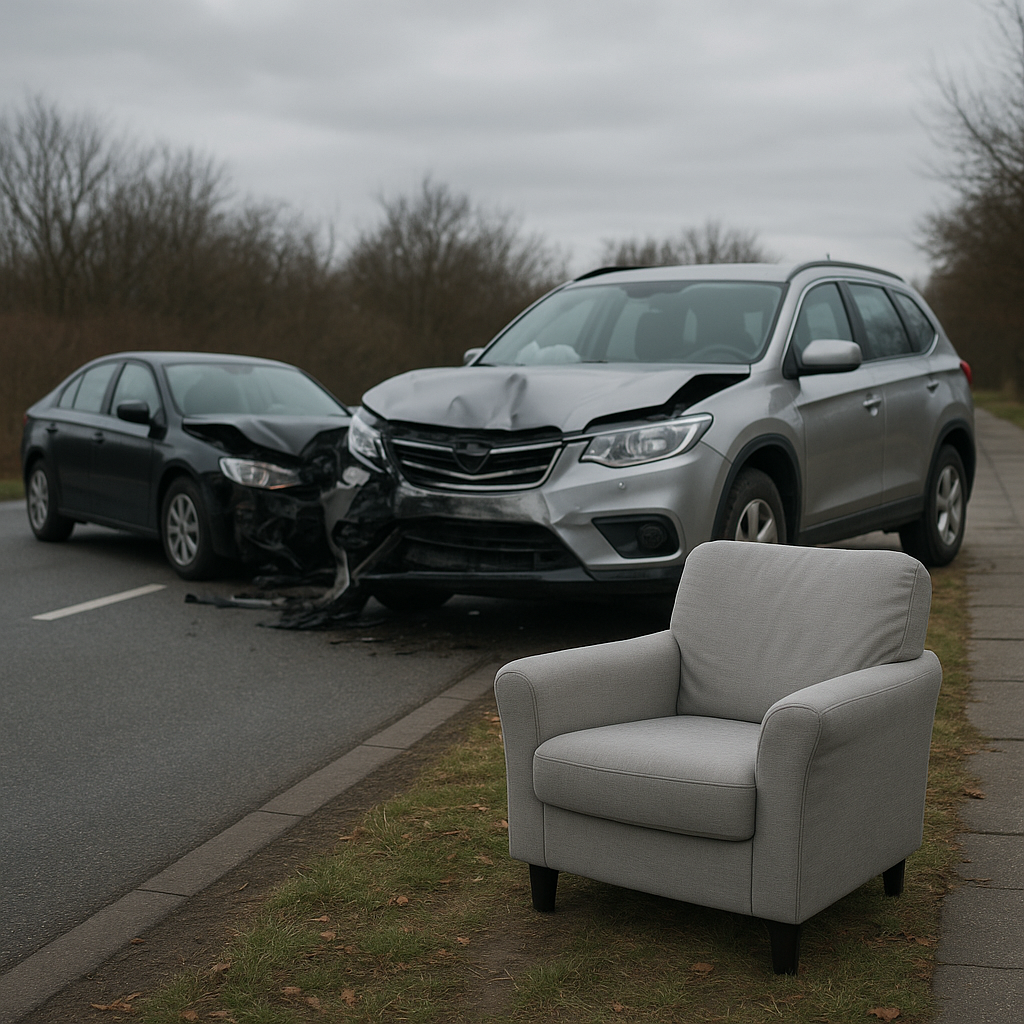
Why Do I Feel Disconnected from My Body After the Crash?
Why This Question Is Common After Severe Accidents
Questions about feeling “disconnected from my body after a crash” are among the most frequently asked by those who have experienced a traumatic accident. It is not unusual for individuals to report sensations of numbness, detachment, or alienation from their physical selves in the aftermath of a serious car accident, motorcycle collision, or similar event.
The experience can be disorienting and unsettling. For some, it is one of the first signs that something is not quite right, prompting them to seek information and understanding. For others, it may arise days or even weeks later, manifesting alongside other symptoms associated with emotional or physical trauma.
Accidents can be sudden and violent, challenging a person’s sense of safety and control. In moments when the body is thrown into harm’s way, there is often an immediate need to protect oneself emotionally and physically. These circumstances set the stage for a variety of post-crash responses, and feeling disconnected or “out of body” is one of them.
Clear Neutral Explanation
The sensation of feeling disconnected from one’s body after a crash is broadly known as “dissociation.” Dissociation refers to a mental process where a person feels detached from their thoughts, feelings, or physical form. This can include feeling like an outside observer of your own actions or experiencing your body as unfamiliar or distant.
Following an accident, several factors can contribute to dissociative sensations:
– Acute Stress: A crash is a highly stressful and sometimes life-threatening event. In response to extreme stress or danger, the brain may temporarily “separate” conscious awareness from physical experience as a protective mechanism.
– Shock and Adrenaline: Immediately after an accident, the body releases stress hormones like adrenaline. These chemicals can dull physical sensations and alter perception, leading to feelings of unreality or numbness.
– Psychological Trauma: Experiencing or witnessing trauma can disrupt the brain’s normal processing of events. This may cause lingering detachment, emotional numbness, or difficulty recalling details clearly.
– Physical Injury or Medication: Injuries, concussions, and medications often used post-accident might also affect awareness and sensory experience.
Dissociation is not uncommon after traumatic events. The mind relies on it as a way to withstand extreme emotional or physical circumstances. While the immediate goal is to help a person cope during and after an overwhelming experience, these sensations can linger and be distressing to those who experience them.
Helpful Emotional Context
Many individuals find themselves questioning their emotional reactions after an accident. There may be confusion or even self-judgment about feeling disconnected from your body after the crash. This reaction is not a sign of weakness or failure; it is a well-documented response to trauma that serves as a kind of mental buffer.
It is also natural to experience a range of emotions—fear, anger, sadness, guilt, or helplessness—alongside dissociative sensations. The feeling of detachment often coexists with intrusive memories, sleep disturbances, or heightened alertness. Each person’s journey through recovery is unique, shaped by their individual experience of the crash as well as their history and support system.
Some may worry that this sense of distance from oneself will never fade or that it signifies permanent change. Others might feel isolated, especially if they believe no one else has gone through the same thing. In reality, many people find these feelings lessen over time as they process what happened and as their bodies and minds heal.
Common Misconceptions
There are several common misconceptions about feeling disconnected from your body after a crash:
– “It means I’m losing my mind.”
Dissociation is not an indicator of madness or permanent psychological damage. It is a natural, short-term reaction that many experience during traumatic events.
– “Only people with severe physical injuries feel this way.”
Disconnected feelings can occur even in the absence of visible injuries. Emotional trauma alone is enough to result in this response.
– “Talking about it will make it worse.”
Some people believe that expressing these sensations will intensify them. In fact, acknowledging these feelings can often reduce anxiety and foster understanding.
– “No one else feels this way.”
The sense of detachment or unreality after trauma is widely reported and documented. It is a shared response among many survivors of accidents.
Dispelling these misconceptions can alleviate unnecessary fear and self-doubt, paving the way for greater compassion for oneself during recovery.
Closing Paragraph
Feeling disconnected from your body after a crash is a recognized response to trauma and stress—a protective mechanism activated by the mind and body in extraordinary circumstances. While it can be unsettling or even frightening, this state is part of the complex range of human reactions to distressing experiences. Understanding the basis for these feelings, alongside the emotional context and common misconceptions, can bring some measure of reassurance. Many people find that, over time, with space to process the event, the sensation of disconnection gradually fades, replaced by a renewed sense of presence within one’s body and life.