
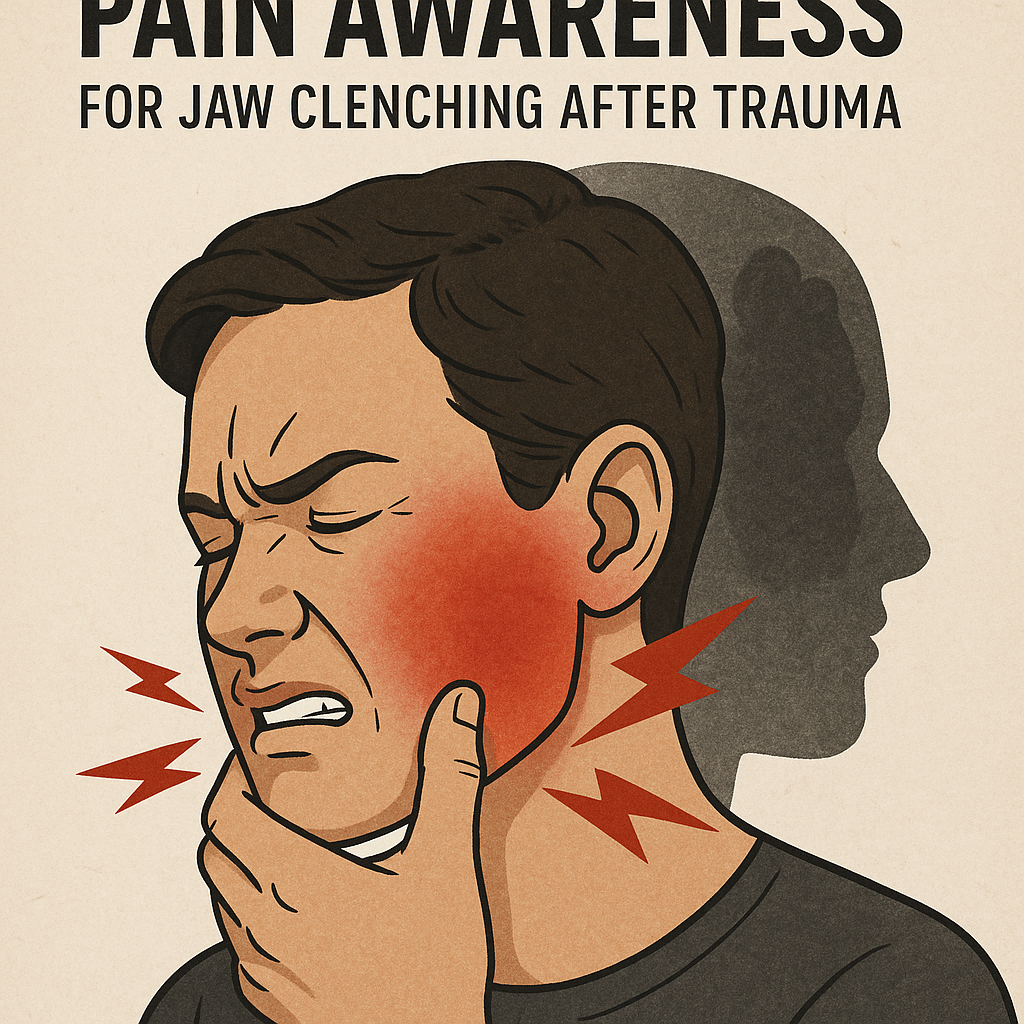
Pain Awareness for Jaw Clenching After Trauma
The aftermath of a traumatic event can leave invisible marks on the body and mind. For many people, jaw clenching—sometimes called bruxism or simply “tightening the jaw”—becomes a notable issue following trauma. Though often overlooked, recognizing patterns and changes in jaw clenching pain after trauma is crucial to understanding how the body responds in the days, weeks, and even months after an incident. This educational article explores pain awareness surrounding jaw clenching after trauma, with special attention to those affected by truck accidents, common symptom patterns, and the shifting nature of symptoms over time.
Why Symptoms Can Appear After Truck Accidents
Trauma, especially from significant events like truck accidents, can trigger a multitude of physical and psychological responses. Jaw clenching pain after trauma is not uncommon, and understanding the reasons behind the symptoms’ appearance can provide valuable context for those who might experience it.
Truck accidents often involve a considerable amount of force and typically result in sudden, intense stress on both the body and the mind. The body’s reaction to this kind of event may include tensing muscles as a natural defense mechanism. The temporomandibular joint (TMJ), which controls jaw movement, is especially sensitive to changes in muscle tension and stress levels. The sudden jolt, bracing for impact, or even emotional shock can all play roles in initiating or amplifying jaw clenching pain following trauma.
In addition, psychological aspects like acute stress, anxiety, and hypervigilance commonly follow truck accidents and other traumatic events. These heightened states of alertness can cause repetitive, unintentional muscle tension—including in the jaw—long after the initial danger has passed. Because trauma influences both body and mind, pain associated with jaw clenching often develops or intensifies in the days and weeks that follow an accident.
Common Symptom Patterns (No Medical Instructions)
People experiencing jaw clenching pain after trauma may notice a variety of symptom patterns. While individual experiences vary, some patterns tend to be more common, offering insight into how trauma shapes our responses:
Delayed Onset
Symptoms don’t always appear right away. For many, the immediate shock and adrenaline surge can mask pain or discomfort. Jaw clenching and related pain may only emerge once these initial responses subside.
Fluctuating Intensity
Jaw clenching pain can come and go, influenced by factors such as sleep, emotional stress, or even changes in weather. Some people might experience more discomfort during the night, upon waking, or during moments of heightened anxiety.
Associated Signs
Other features can accompany jaw clenching pain, including headaches, muscle fatigue in the face, ear discomfort, or even a sensation of clicking in the jaw. Awareness of these patterns can help individuals recognize the connection between trauma and new or changing jaw discomfort.
Bilateral or Unilateral Sensation
Some may notice pain on just one side of the jaw, while others feel discomfort on both sides. The pattern can shift with time or activity.
Symptom Clusters
Jaw clenching pain may appear alongside other post-trauma symptoms, including neck stiffness, back soreness, or sensitivity to light and sound. Recognizing these clusters can provide a clearer picture of how trauma influences the entire musculoskeletal system.
Why Symptoms Can Change Over Time
Pain and discomfort after trauma, such as jaw clenching pain, rarely remain static. Instead, symptoms can evolve, intensify, or even fade with time. Understanding how and why these changes occur helps to foster better awareness and monitoring.
Healing and Adaptation
The body constantly works to heal itself after injury or strain. Sometimes, as tissues begin to recover, pain shifts from acute, sharp discomfort to dull, lingering aches—or vice versa.
Psychological Processing
Emotional responses to trauma can also transform. In the weeks after an accident, initial shock may give way to ongoing anxiety, sleep disturbances, or shifts in mood. These psychological changes can directly influence muscle tension and jaw clenching patterns.
Habits and Responses
As the memory of trauma becomes less immediate, some unintentional behaviors—like jaw clenching—may decrease. Alternatively, if stressors persist, the habit may become more deeply rooted, causing symptoms to worsen or spread.
Delayed Reactions
It’s not unusual for certain symptoms to surface weeks or months after the original trauma. Factors like ongoing stress, new physical activity, or even dental work may bring latent symptoms to the forefront.
When People Typically Start Monitoring Symptoms
Awareness is a crucial first step in managing post-trauma effects like jaw clenching pain. People tend to start paying closer attention to their symptoms at various stages:
Post-Accident Reflection
In the immediate aftermath of an accident, many are focused on acute injuries or visible wounds. As these resolve, subtle issues like jaw clenching may become more noticeable, prompting individuals to monitor their symptoms more closely.
Escalation or Persistence of Symptoms
If jaw pain, headaches, or related discomforts become more frequent, intense, or disruptive, people often become more aware and start tracking when and how symptoms appear.
Disruption of Daily Life
Symptoms that undermine sleep, concentration, or basic activities tend to draw increased attention, leading individuals to monitor and document their experiences more systematically.
Conversations with Professionals
Sometimes, questions from healthcare providers, family, or friends prompt reflection on symptoms that might otherwise be overlooked. Describing when and how jaw clenching pain develops can be an important part of these conversations.
Neutral Closing Paragraph
Pain awareness, especially regarding jaw clenching after trauma, is an empowering process that begins with observation and self-reflection. By understanding how and why symptoms appear, as well as recognizing common patterns and their changes over time, individuals are better equipped to participate in conversations about their well-being. While experiences with jaw clenching pain after trauma can be unique and complex, increased awareness can lay the groundwork for informed decision-making and self-advocacy in the aftermath of significant events.