
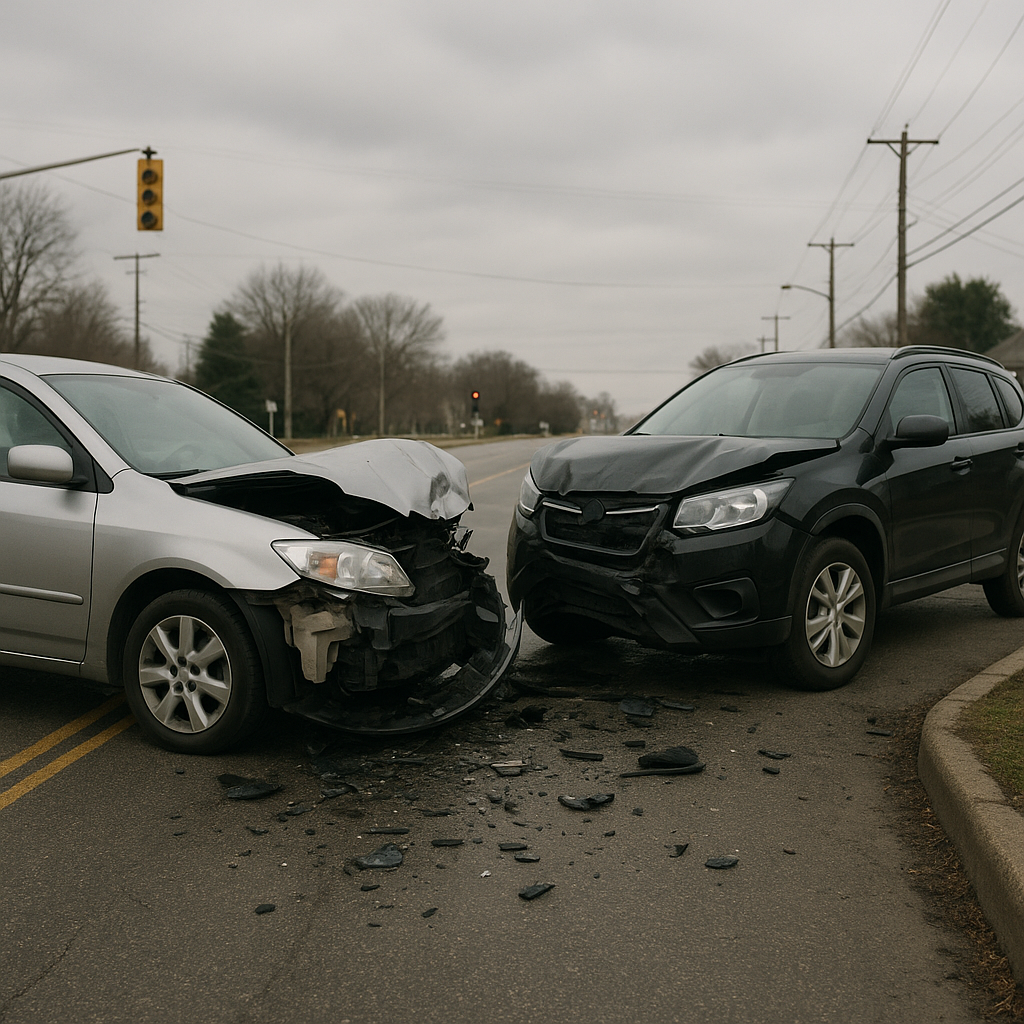
Why Do I Feel Anxious for No Reason After a Crash?
Accidents are moments of sudden, unexpected upheaval. Whether the crash involved a car, a bike, or even a slip and fall, many people find themselves facing a familiar but troubling experience in the days, weeks, or even months that follow: a sense of anxiety that seems to come out of nowhere. This feeling—commonly described as being “anxious for no reason after crash”—can be confusing and overwhelming. Understanding where these feelings come from and why they are so common is an important step in regaining a sense of control and calm.
Why This Question is Common After Severe Accidents
For many, the aftermath of a crash is not just about physical recovery. The emotional and psychological effects can linger long after visible injuries have healed. It’s completely natural to wonder why, even after the event itself is over, uncomfortable feelings like anxiety persist—sometimes appearing without any clear trigger.
There are several reasons why asking “Why do I feel anxious for no reason after a crash?” is so widespread. First, crashes often mark a sudden interruption to daily routine and security. They can be shocking and disorienting, creating a ripple effect that impacts sleep, self-confidence, and the ability to relax. Second, our culture tends to focus on physical recovery, leaving psychological and emotional experiences less acknowledged and less discussed. This can make these feelings seem mysterious or even abnormal, even though they are a common part of post-accident experiences. Third, the aftermath of a crash can bring many new stressors—dealing with insurance, financial concerns, or a temporary loss of independence—which can heighten feelings of anxiety.
Clear Neutral Explanation
In the wake of a crash, the human body and mind respond in a variety of interconnected ways. Anxiety after such an event can feel especially puzzling when it does not seem tied to a specific thought, memory, or ongoing danger. However, this kind of anxiety is a well-documented phenomenon.
The body’s stress response—sometimes called the “fight or flight” response—can remain heightened for a period of time after a traumatic incident. Even when the immediate risk is gone, signals in the brain, such as those from the amygdala and other areas involved in processing threats, may not immediately return to baseline. This means the body might continue to produce stress hormones like adrenaline and cortisol, leading to symptoms such as restlessness, a rapid heartbeat, or a sense of unease with no obvious cause.
Sometimes the mind can form associations between the crash and ordinary moments in daily life—like driving, certain noises, or even just being in a car again—even if these moments aren’t truly dangerous. Other times, anxiety can manifest independently, as the brain and body continue to process and integrate the memory of the accident. It’s also possible for a crash to reignite older, unrelated anxieties, pulling them into the foreground of daily life. This continued state of alertness is not a sign of weakness or irrationality; rather, it is a natural reaction as the brain tries to ensure safety after an unexpected shock.
Helpful Emotional Context
Feeling anxious for no reason after a crash can be bewildering. Many people worry that they are “losing control” or that there is something wrong with them. Yet, it’s important to recognize that the mind and body often operate below the level of conscious awareness, especially after stressful or traumatic events.
Experiencing anxiety following a crash is extremely common, even for those who feel emotionally strong or resilient. It is not an indicator of personal failure or fragility. Human beings are hardwired to scan for danger after a significant threat, sometimes holding onto vigilance longer than seems necessary. This is a safeguard, even if it feels uncomfortable.
Sometimes, anxiety after a crash can be mixed with other feelings: frustration at one’s own reactions, sadness over any losses, anger about the accident, or embarrassment around others. These compounded feelings can make anxiety seem more pronounced or unpredictable.
Common Misconceptions
There are several widely held beliefs about post-crash anxiety that can make the experience harder to navigate.
One misconception is that anxiety should immediately fade once physical injuries have healed or once life appears to return to normal. In reality, emotional and psychological recovery often unfold on a different timeline.
Another misconception is that feeling anxious “for no reason” is not real or valid unless someone can point to a specific trigger. In truth, anxiety can arise from the subconscious mind and the body’s memory systems, without the need for an external prompt.
It’s also sometimes assumed that people who are anxious after a crash are overreacting or not “tough enough.” These ideas can be harmful and misleading. Anxiety is a normal response to trauma and does not reflect on a person’s strength or character.
Closing Paragraph
Experiencing anxiety for what seems like “no reason” after a crash is both common and deeply understandable. The body and mind often need time to adjust and recalibrate after a sudden shock. Recognizing the complex ways in which stress and trauma are processed can make these feelings less mysterious and less isolating. By staying gentle with oneself and acknowledging the impact of a crash beyond the physical, it becomes easier to move through the experience with patience and self-compassion. These feelings are part of a broader process of recovery—one that is as real and significant as physical healing.