
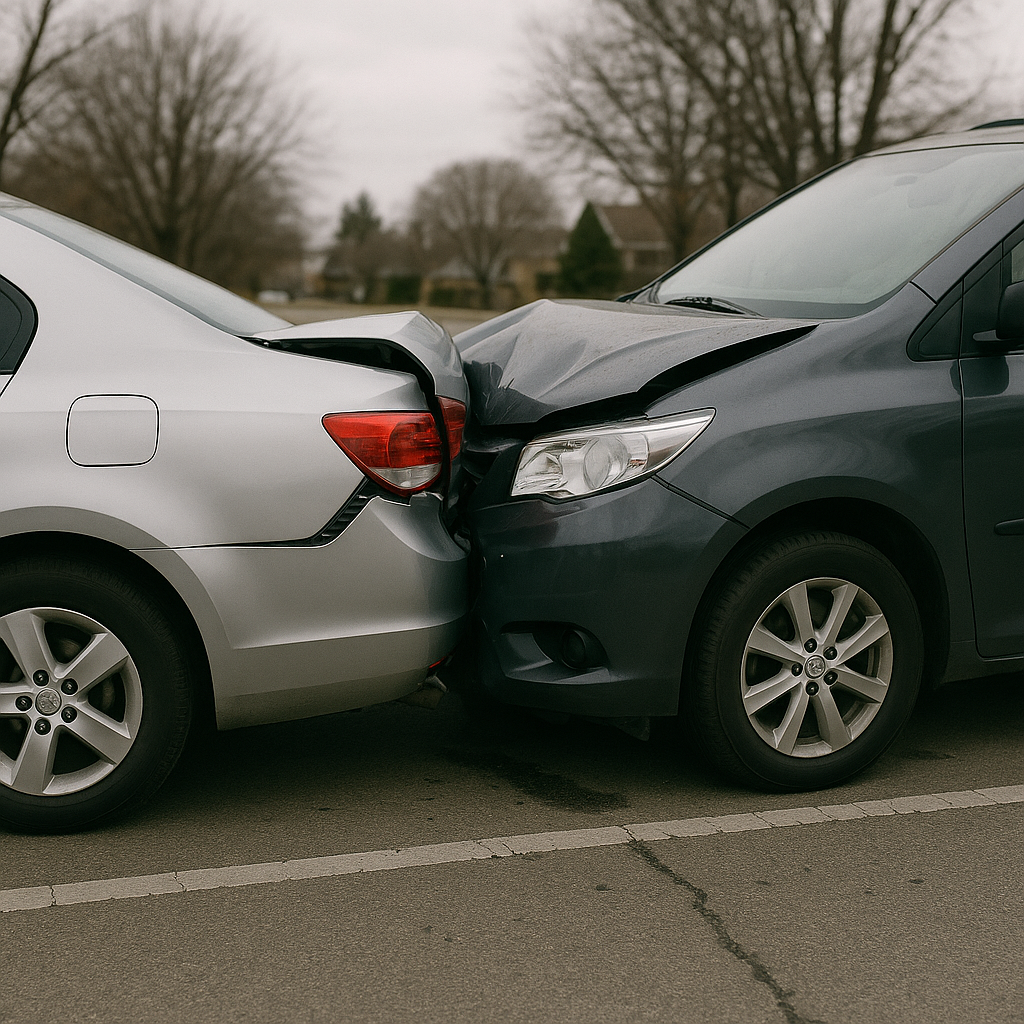
Why am I irritable with my family after the crash?
Why this question is common after severe accidents
After surviving a severe accident—whether car, motorcycle, or another traumatic incident—many people notice changes in their feelings and behavior. It’s not unusual to ask, “Why am I irritable with my family after the crash?” This question comes up often, reflecting a common struggle: regaining emotional balance and navigating family interactions when everything feels different.
Physical injuries, psychological stress, and the disruption of daily routines can all contribute to emotional shifts. The people closest to us, namely family, are both our support system and the ones who may witness the brunt of these changes. As a result, frustration and irritability at home after a crash is a frequently reported experience, leading many to seek understanding about this new dynamic.
Clear neutral explanation
After a serious accident, the body and mind react to trauma in complex ways. The crash itself might result in visible injuries, but the less visible emotional and psychological impacts can be just as significant. Irritability with family after crash events can stem from numerous overlapping factors.
Changes in physiology and stress response
Accidents activate the body’s stress response system. The rush of adrenaline afterward can lead to exhaustion, while lingering stress hormones can cause heightened sensitivity to everyday stimuli. This heightened state means a person who has experienced a recent crash may find ordinary household activities or conversations suddenly overwhelming or difficult to manage.
Emotional processing and adjustment
A crash represents a significant disruption and is often followed by a period of emotional adjustment. Common emotions during this period can include frustration, sadness, anxiety, fear, or helplessness. When a person is processing these feelings, patience may wear thin, making interactions with family members more challenging and often resulting in irritability.
Pain, discomfort, and sleep disturbance
Physical recovery after a crash frequently involves pain or ongoing discomfort. Pain can sap energy and diminish patience, making it harder to cope with minor annoyances. In addition, disrupted sleep, which is common after accidents due to pain or stress, can lower emotional resilience and amplify irritability.
Shifts in independence and routine
Depending on the severity of injuries, daily routines may be upended. Needing help from family members for tasks that were once easy can lead to feelings of vulnerability or frustration. Adjusting to new levels of dependence can be difficult, and these feelings may be unintentionally redirected as irritability toward those offering help.
Helpful emotional context
Understanding the underlying emotions involved can provide clarity. Irritability is often a signal of deeper feelings, such as fear about the future, frustration with the recovery process, or sadness about lost abilities or disrupted routines. It’s common to grieve not just over the accident’s immediate impact, but also over its longer-term consequences.
In family settings, these emotions can be magnified. Loved ones may try to offer comfort, solutions, or reminders about safety, all of which are well-intentioned but sometimes difficult to receive when emotions are raw. The home, usually a place of comfort, can temporarily feel like a space full of unspoken expectations and tension.
Importantly, none of these reactions are a reflection of personal failure or a lack of love for family members. Rather, they are natural responses to exceptional circumstances, demanding patience from everyone involved.
Common misconceptions
Amid these changes, several common misconceptions can make the experience even harder:
1. “Being irritable means the relationship is broken.”
Experiencing irritability does not equate to the breakdown of family bonds. Tension is often temporary and linked to current stressors, not a sign that fundamental relationships have changed irreparably.
2. “Only people with severe trauma or mental health conditions feel this way.”
Irritability after a crash is not reserved for those with formal diagnoses or severe visible injuries. Even relatively minor accidents can provoke stress responses that influence mood and behavior.
3. “Expressing frustration is abnormal or shameful.”
It’s common to believe that becoming short-tempered or easily annoyed is something to hide or feel ashamed of. In reality, these reactions are standard in recovery processes—especially when pain, fatigue, or anxiety are involved.
4. “Family members should always understand the root cause.”
Family members may not immediately recognize the connection between the crash and changes in temperament. Misunderstandings can occur if irritability is mistaken for personal dissatisfaction rather than a byproduct of trauma and adjustment.
Closing paragraph
Many people ask, “Why am I irritable with my family after the crash?” because the change in emotional patterns can feel unsettling and unexpected. This irritability arises from a combination of physiological stress responses, emotional adaptation to traumatic events, physical discomfort, and new challenges within the home environment. Recognizing these influences can bring perspective and reduce feelings of guilt or confusion. Over time, as the recovery process continues, these intense emotional reactions often become more manageable. Throughout this journey, understanding the roots of post-crash irritability can help foster patience and compassion for oneself and one’s family.