
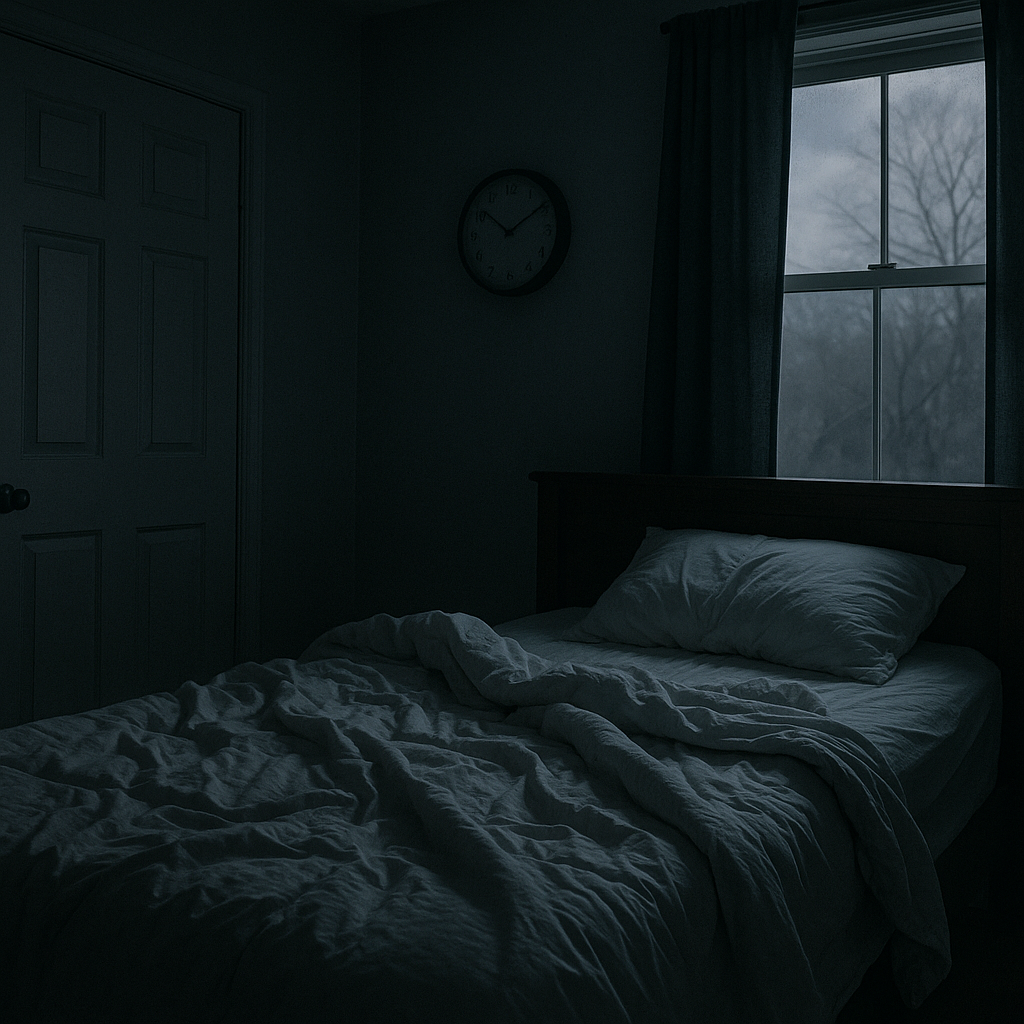
Sleep Disruption and Trauma Anniversaries
Overview of Stress and Sleep Disruption After Trauma
Trauma can cast a long shadow over individuals’ lives, affecting both their emotional well-being and physical health. While every journey through recovery is unique, one common challenge among trauma survivors is sleep disruption. For many people, certain times of year—known as trauma anniversaries—can bring a resurgence of memories, emotions, and stress. These anniversaries are not strictly tied to the calendar date but can also be prompted by sensory cues like sounds, smells, or changes in weather that recall aspects of the traumatic event.
The body’s stress response, triggered by reminders of trauma, can easily disturb sleep. Even when consciously aware that the event is in the past, the brain and body can react as though danger is present. As trauma anniversaries approach, many individuals notice changes in their ability to fall asleep, stay asleep, or wake feeling refreshed—a phenomenon known as trauma anniversaries sleep disruption.
Understanding why this happens requires looking at how trauma impacts the stress response system and how these effects can become particularly intense around significant dates or reminders.
Common Sleep-Related Issues People Report
After a trauma, sleep doesn’t always return to normal quickly. During trauma anniversaries, the following problems are often reported:
1. Trouble falling asleep: Many individuals find their thoughts racing at night as memories and worries resurface around anniversaries, making it challenging to relax into sleep.
2. Frequent waking: Some people wake up multiple times throughout the night, often startled or anxious, which interrupts deep sleep stages necessary for feeling rested.
3. Nightmares and vivid dreams: Recurring dreams, nightmares, or unsettling imagery connected to the trauma may increase in frequency, especially around anniversaries, contributing to sleep disruption and anxiety about bedtime.
4. Early morning awakening: Waking up much earlier than intended—sometimes in a state of panic or distress—is another issue. This can lead to fatigue and low energy later in the day.
5. Sleep avoidance: A fear of nightmares or distressing dreams may cause individuals to avoid going to bed, further compounding sleep deficits.
Each of these issues can happen on their own or, more often, in combination. Even when someone is physically exhausted, emotional upheaval associated with trauma memories can overpower the body’s basic need for sleep.
Stress Cycle Effects on Energy and Focus
The relationship between stress and sleep is circular—stress disrupts sleep, and poor sleep amplifies stress. Trauma anniversaries sleep disruption can perpetuate this cycle, especially when sleep issues are paired with the intense emotions surrounding memories of the traumatic event.
Sleep disturbances have a direct impact on daytime functioning. When sleep is fragmented or inadequate:
– Energy levels drop: Individuals may feel sluggish, less motivated, or physically drained, making it difficult to tackle daily routines or responsibilities.
– Difficulty focusing: It can become harder to concentrate, remember details, or make decisions—mental energy is often used up managing distress, leaving less for other cognitive tasks.
– Increased irritability: Frustration, impatience, and mood swings are common, further affecting relationships and self-confidence.
During trauma anniversaries, even those who have built strong coping skills throughout the year may notice a temporary spike in stress that disrupts their carefully maintained routines. The body’s physiological stress responses—such as increased heart rate or muscle tension—can also keep individuals in an alert state, making deep relaxation and restorative sleep harder to achieve.
How Sleep Patterns Evolve During Recovery
Recovering from trauma is a gradual and highly individual process, and the same is true for sleep. As survivors gain distance from the traumatic event and strengthen coping mechanisms, it’s common for sleep patterns to improve over time—though not always in a linear fashion. Trauma anniversaries may continue to present challenges, but many people notice the intensity or duration of disrupted sleep lessening as recovery progresses.
Some factors that can influence the evolution of sleep after trauma include:
– Increased awareness of triggers: Recognizing personal triggers—such as certain dates, places, or situations—can help individuals anticipate and prepare for anniversary reactions. Over time, this awareness may lessen feelings of helplessness and make the anniversary period less disruptive to sleep.
– Building supportive routines: Establishing regular sleep habits and nurturing activities before bed (for example, quiet reading, gentle stretching, or calming music) can help create a sense of safety and predictability.
– Emotional processing: Finding safe ways to process thoughts and emotions—whether through creative outlets, support groups, or talking with trusted friends—often reduces the “charge” associated with trauma reminders and related sleep disruption.
– Gradual reduction in hypervigilance: As the mind and body learn that the trauma is in the past, the intense physiological responses can diminish, allowing for more restful sleep, even as anniversaries come and go.
While recovery is rarely straightforward, patterns often demonstrate that periods of disrupted sleep become shorter, and the return to restful nights happens more reliably, even if temporary setbacks occur during anniversaries.
Conclusion
Trauma anniversaries sleep disruption is a common and understandable response to challenging reminders of difficult events. While the effects on sleep, energy, and focus can be pronounced, they are not insurmountable. With time, self-awareness, and supportive routines, many people observe positive changes in how their bodies and minds respond to anniversaries. Recovery is a unique journey for each person, and while setbacks may arise, gradual improvement in sleep and overall well-being is possible. Recognizing the rhythms of trauma recovery can foster patience and hope, supporting individuals as they navigate the complex relationship between memory, stress, and sleep.