
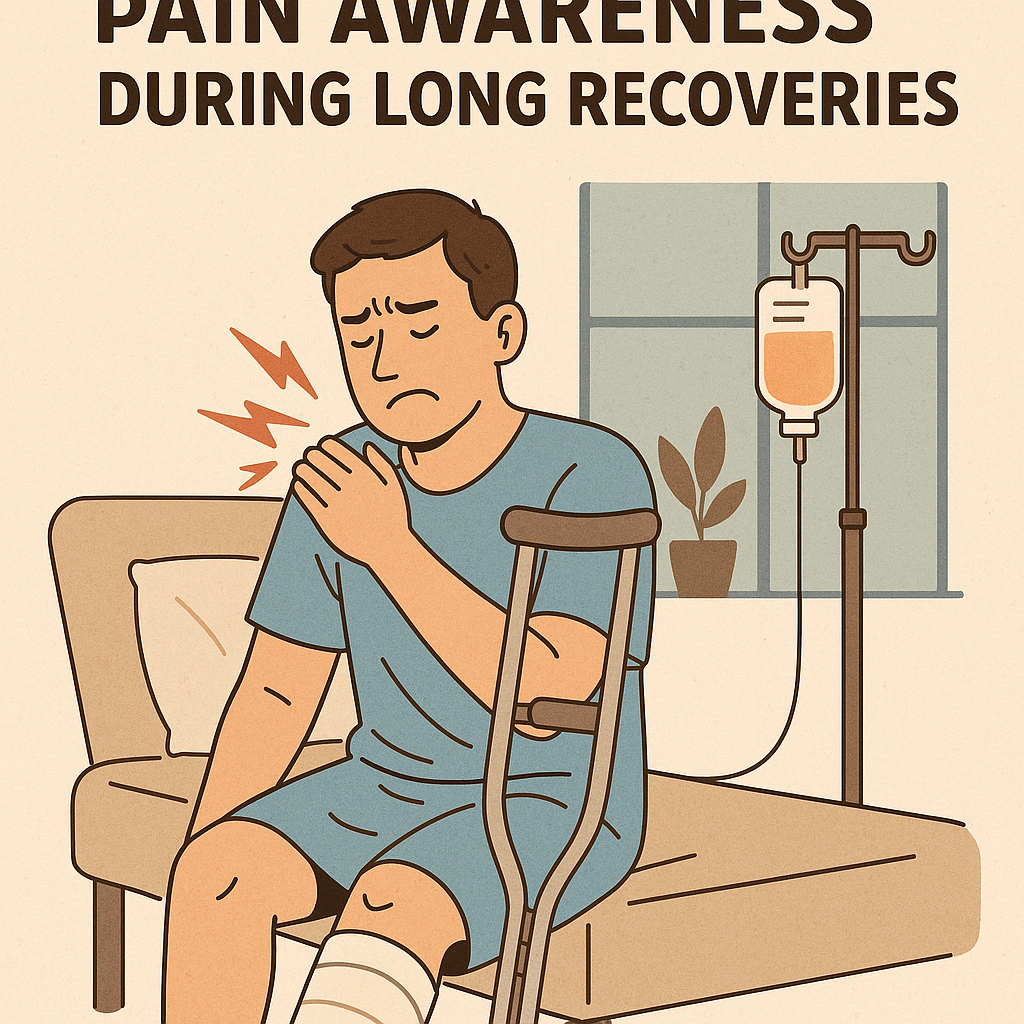
Pain Awareness During Long Recoveries
When recovering from serious injuries, especially after traumatic incidents like truck accidents, understanding and recognizing pain becomes an important part of the healing journey. “Long recovery pain awareness” is about learning to notice and reflect on physical sensations, emotional changes, and patterns in how symptoms emerge or shift. Gaining awareness can empower individuals to communicate more effectively with healthcare providers, manage daily life more comfortably, and ultimately feel more in control during a lengthy recovery.
Why Symptoms Can Appear After Truck Accidents
After a truck accident, the body experiences a range of physical and emotional stress responses. In the immediate aftermath, the body’s natural defenses—such as adrenaline—may temporarily mask some symptoms. As these chemical responses settle, previously unnoticed pain or discomfort can emerge. This delayed onset of symptoms doesn’t necessarily mean new injuries have occurred; rather, the body’s initial focus on survival can sometimes delay the perception of pain.
Additionally, the types of forces involved in truck accidents can lead to complex effects. For example, sudden stops, collisions, or jolts may affect the spine, muscles, joints, and internal organs in ways that are not always obvious in the initial hours or days after the incident. The body might also respond with swelling, stiffness, or bruising that becomes noticeable only as time passes. Thus, long recovery pain awareness begins with an understanding that not all symptoms will appear right away.
Common Symptom Patterns (No Medical Instructions)
During a long recovery, individuals may notice multiple patterns in how symptoms—especially pain—present themselves. These may include:
– Delayed onset: A common experience following traumatic events, where pain or stiffness might only become noticeable hours or days later.
– Fluctuating intensity: Some days may bring sharper or more persistent discomfort, while others might feel easier. This variability can depend on activity levels, weather changes, stress, or rest.
– Radiating sensations: Occasionally, discomfort can travel from the original injured area to nearby regions, such as from the neck to the shoulders or back.
– Emotional responses: Alongside physical pain, individuals often observe emotional fluctuations like frustration, anxiety, or sadness, which can interrelate with physical symptom patterns.
It is important to remember that every person’s recovery is unique. Patterns in symptom appearance or intensity may be influenced by the nature of the initial injury, overall health, or even shifts in daily routines. Noticing these patterns contributes significantly to long recovery pain awareness, helping individuals feel less surprised when symptoms vary.
Why Symptoms Can Change Over Time
Recovery is rarely a linear process. Symptoms can evolve due to several reasons:
1. Healing processes: As tissues repair or inflammation subsides, the sensation of pain can shift. New types of discomfort may surface, such as tingling during nerve healing or aches as stiffness improves, reflecting the complex nature of recovery.
2. Compensatory movements: When one area is sore, the body often compensates by shifting weight or posture, which can place additional strain on other muscles or joints. Over time, these compensations may create new sensations of discomfort elsewhere.
3. Psychological adaptation: Mental and emotional recovery can cause changes as well. Developing coping strategies may help reduce stress-related aches, while ongoing emotional distress might accentuate physical sensations.
4. External factors: Weather, sleep patterns, and changes in daily activities can all contribute to shifts in symptom presentation. Cooler temperatures, for example, are sometimes associated with joint stiffness, while increased movement after a period of rest might bring about temporary soreness.
By understanding that it is normal for symptoms to change and that this does not inherently signal a setback, individuals can approach their recovery with greater patience and self-compassion.
When People Typically Start Monitoring Symptoms
Long recovery pain awareness often grows over time. Many people only begin closely observing their symptoms after the initial urgency of the accident has passed. During the first few days or weeks, attention may be focused on immediate needs such as mobility, rest, or adapting to new routines. As things stabilize, individuals may find themselves noticing patterns, triggers, or specific activities that influence their level of comfort.
People commonly start monitoring their symptoms in various ways:
– Journaling or note-taking: Writing down daily pain levels, emotional states, and significant events can help individuals see trends and identify triggers.
– Using tracking apps or tools: Digital tools designed for health tracking may simplify the process of recording and reviewing symptoms over time.
– Increasing self-reflection: Over the course of a long recovery, individuals often become more attentive to subtle changes in their bodies and moods, leading to deeper self-awareness.
By taking a proactive role in observing their own recovery, individuals can effectively communicate their experience with healthcare professionals or loved ones. This heightened awareness also often serves as a foundation for making informed decisions about daily activities and self-care strategies.
Neutral Closing Paragraph
Navigating pain and other symptoms during a long recovery can be an intricate and sometimes challenging process. Building “long recovery pain awareness” is not only about identifying physical sensations, but also about cultivating patience and understanding for oneself as recovery unfolds. Whether symptoms change, fluctuate, or follow predictable patterns, ongoing observation and self-awareness play meaningful roles in supporting overall well-being throughout the journey. By remaining attentive and informed, individuals can better adapt to the complexities of long-term healing.