
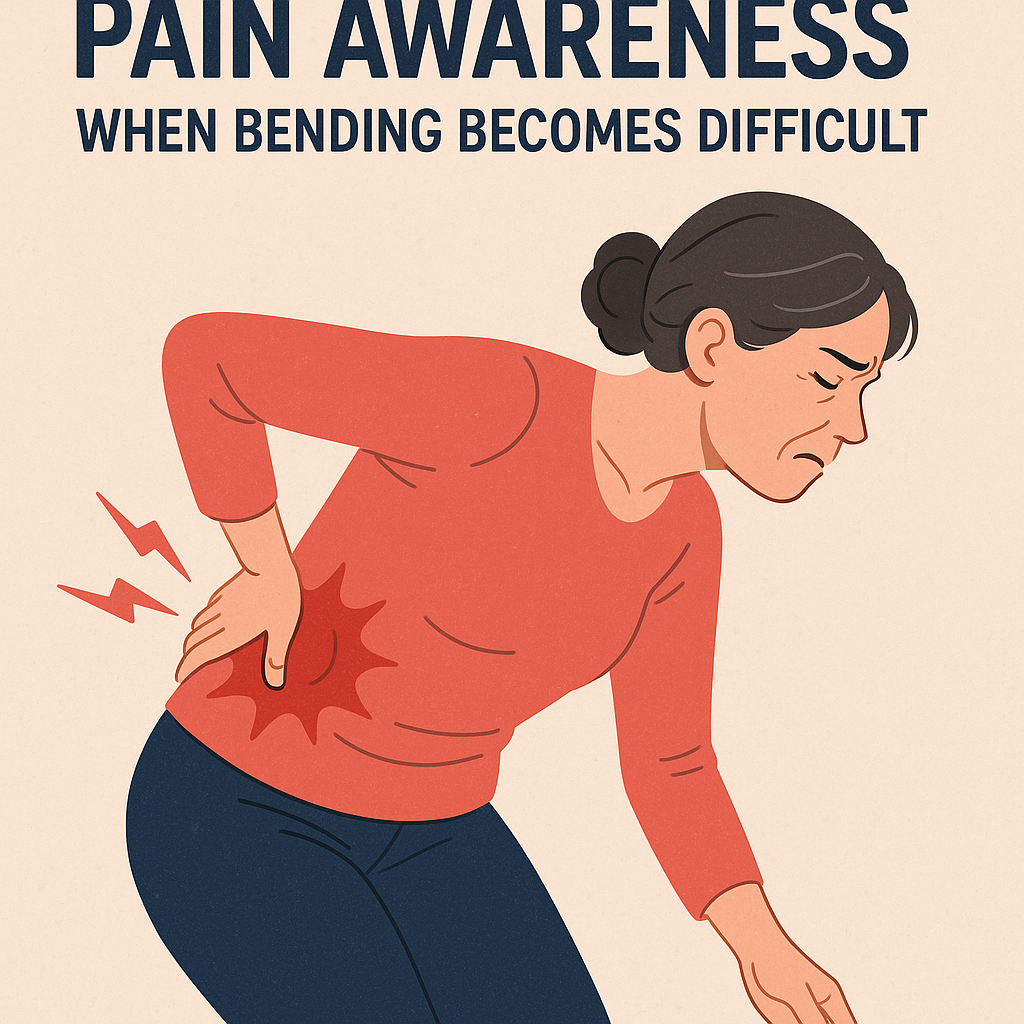
Pain Awareness When Bending Becomes Difficult
Pain awareness—our ability to notice and interpret discomfort—can be life-changing, especially when simple movements such as bending become challenging. Everyday actions like picking up a dropped pen, putting on shoes, or reaching for a low shelf all rely on the ability to bend without distress. For many, bending difficulty pain awareness often surfaces gradually, or sometimes quite suddenly, causing concern and curiosity about its causes and development.
Understanding how and why pain becomes apparent during bending is essential. Whether experienced after a specific incident, such as a truck accident, or through seemingly unexplained changes, increased pain awareness can prompt questions about patterns, timing, and the natural progression of symptoms.
—
Why Symptoms Can Appear After Truck Accidents
A truck accident is a significant event that can impact the body in many ways, even when injuries appear minor at first. During such incidents, forces can transfer through the body quickly, yet the full impact might not be felt immediately. The sudden jolt, bracing motion, or unnatural movement often experienced during a collision can place unusual strain on joints, muscles, and connective tissues.
Bending difficulty pain awareness may emerge as the body reacts to these experiences. It is not uncommon for people involved in truck accidents to walk away feeling relatively fine, only to notice discomfort or reduction in movement hours or days later. This delayed awareness happens because initial adrenaline and stress responses can mask discomfort. As these effects diminish, underlying soreness or stiffness that impacts bending motions may become more noticeable.
Additionally, people might begin to compensate unconsciously—using different movements to avoid discomfort—which can lead to new or increased pain when attempting to bend. The complexity of the body’s response to trauma means that pain awareness can shift and evolve over time, especially after significant events like truck accidents.
—
Common Symptom Patterns
Bending difficulty pain awareness does not present the same way for everyone, but there are some common experiences that individuals may encounter. Understanding these patterns can help people recognize and describe their sensations more accurately in personal tracking or discussions with healthcare professionals.
Some commonly reported symptom patterns include:
– Stiffness on Bending: Many people first notice tightness or a feeling of resistance when they try to bend forward, backward, or sideways. This stiffness can be most obvious after periods of inactivity, such as getting out of bed in the morning, or after sitting for extended periods.
– Localized Discomfort: The sensation is often focused in a specific region, such as the lower back, hips, or knees, but can sometimes radiate to surrounding areas. The pain may feel sharp, dull, or aching, depending on factors like position, duration of movement, or level of activity.
– Increased Awareness During Certain Activities: For some, discomfort becomes more pronounced during activities that require repetitive bending, such as gardening, cleaning, or lifting objects.
– Delayed Onset: Particularly after a significant incident such as a truck accident, pain or discomfort sometimes increases gradually over time rather than appearing instantly. This delayed onset can catch individuals off guard.
– Fluctuating Sensations: The intensity and location of bending-related discomfort can change, growing more or less apparent depending on rest, activity, or other daily variables.
Awareness of these patterns does not replace professional evaluation, but it can help people observe and articulate their experiences effectively.
—
Why Symptoms Can Change Over Time
One of the most puzzling aspects of bending difficulty pain awareness is that symptoms can shift and change. Several factors contribute to this variability:
– Natural Healing Processes: The body continually adjusts as it recovers from acute discomfort. As inflammation decreases or tissues repair, pain sensations may lessen—or, in some cases, seemingly new discomforts may emerge as people become more active.
– Behavioral Adaptation: Sometimes, individuals modify their movements to avoid pain. While these adaptations can provide short-term relief, they might also shift strain to other parts of the body, potentially leading to new pain awareness elsewhere.
– Environmental and Activity Changes: Engaging in new activities, resuming work, or even adjusting daily routines can shape how and when pain is experienced. Weather changes, sleep patterns, and stress levels may also influence symptom patterns.
– Perception Shifts: As initial shock or anxiety after an accident fades, people often become more aware of subtle physical changes that were previously overlooked. Conversely, as pain becomes familiar, individuals may pay less conscious attention unless discomfort intensifies or interferes with vital tasks.
Understanding that symptoms are not always static, and can ebb and flow, may help reduce anxiety and encourage ongoing self-awareness.
—
When People Typically Start Monitoring Symptoms
Heightened bending difficulty pain awareness often prompts individuals to begin actively tracking their symptoms. People may start monitoring their sensations for a variety of reasons:
– Daily Disruption: When discomfort interferes with essential routines—such as dressing, working, or caring for family—people often become more attentive, noting what movements help or worsen their symptoms.
– After a Noteworthy Incident: Significant life events, especially physical ones like a truck accident, tend to increase vigilance. Even delayed pain awareness can lead people to watch for patterns.
– Repeated Episodes: Recurrent or worsening discomfort increases the likelihood that people will keep a mental or written record of when and how symptoms occur.
– Seeking Professional Advice: Consultation with healthcare providers often involves a period of symptom tracking to provide accurate, detailed information about patterns and triggers.
Monitoring symptoms can help individuals recognize trends, identify aggravating or alleviating factors, and make informed decisions about daily activity modifications or when to seek further guidance.
—
Conclusion
Bending difficulty pain awareness is a complex and often evolving experience. While the triggers and sensations can vary between individuals and situations, especially after impactful events such as truck accidents, recognizing and observing the patterns of pain can be empowering. Noticing how discomfort develops, shifts, or diminishes over time can guide individuals toward a better understanding of their own physical responses. Remaining observant and open to change fosters proactive self-care and supports constructive communication with professionals, ensuring individuals remain engaged in their personal well-being journey.