
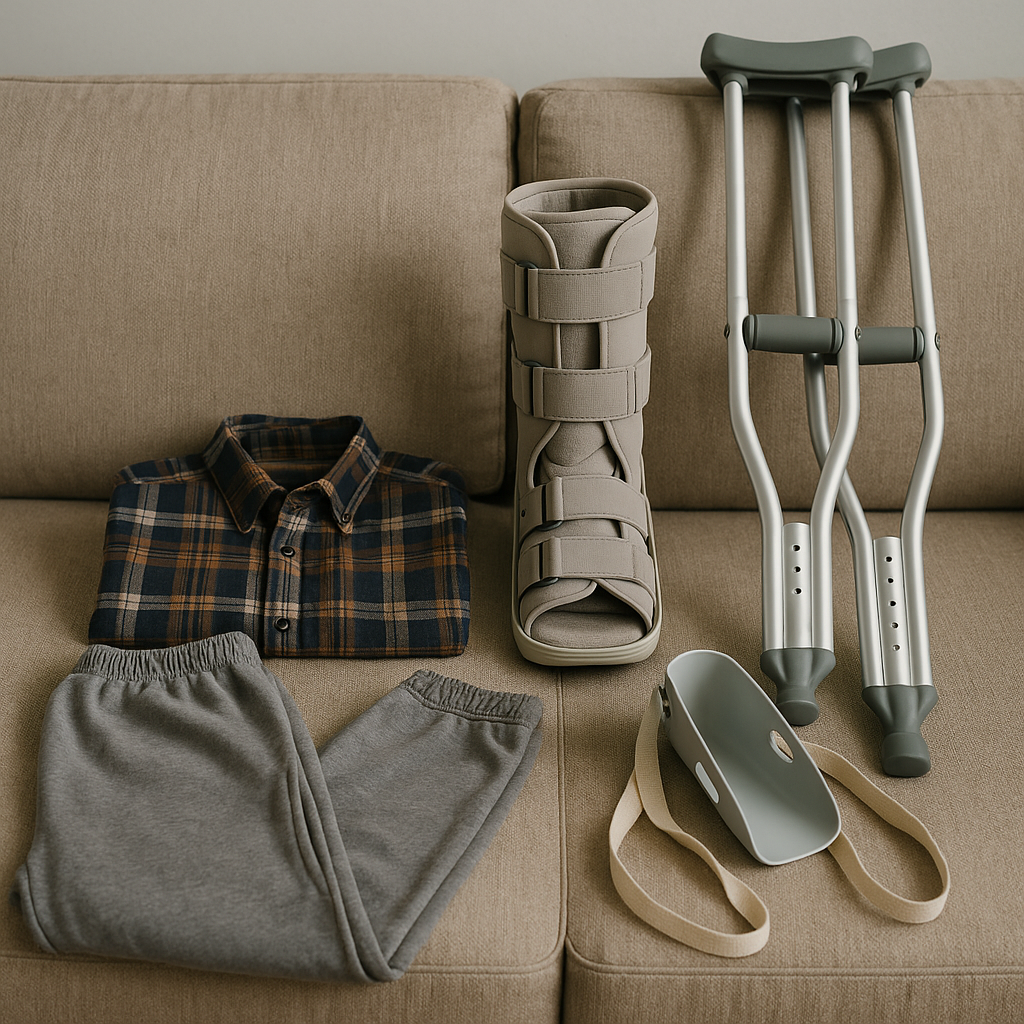
Managing Dressing Challenges After Injuries
Severe truck accidents can result in life-changing injuries, often making familiar daily tasks unexpectedly difficult. Among these, managing dressing challenges after injury emerges as one of the most persistent and personal struggles individuals face during recovery. Dressing—once an unconscious habit—suddenly becomes a complex process requiring adaptation, creativity, and patience. Understanding how these challenges evolve, and the ways in which people cope, can foster greater awareness and empathy for those navigating recovery.
Overview of Daily Coping Challenges After Severe Truck Accidents
Recovering from severe trauma such as a truck accident frequently involves overcoming both visible and invisible barriers. The injuries sustained can be complex, including fractures, amputations, nerve damage, burns, and soft tissue injuries. Each of these physical changes can have a profound impact on mobility, dexterity, sensation, and balance. As a result, an activity as routine and personal as dressing may turn into a physically demanding and emotionally charged ordeal.
The difficulties encountered do not stop with the initial injury. Complications such as restricted range of movement, pain, muscle weakness, and psychological impacts like frustration and lowered self-esteem further complicate the routine of getting dressed each day. Managing dressing challenges after injury is therefore not only a matter of regaining physical abilities, but also adapting emotionally and mentally to new realities.
Many people find that these daily dressing challenges add an extra layer to the ordeal of recovery, often testing patience and resolve. Living with these ongoing challenges requires adjustment, perseverance, and sometimes reliance on new systems or support.
Common Daily Difficulties
While every injury and recovery journey is unique, people who are managing dressing challenges after injury frequently encounter a range of common difficulties, such as:
– Limited Arm or Leg Mobility: Injuries or surgeries may make it hard to move limbs, making it difficult to pull on sleeves, pants, or socks.
– Reduced Hand Dexterity: Nerve damage, swelling, or splints can impair the ability to manipulate buttons, zippers, or fasteners.
– Pain During Movement: Many find that actions like raising arms or bending over to put on clothing cause discomfort or sharp pain.
– Balance Problems: Standing on one foot to pull on pants or step into a garment can be especially challenging, particularly after lower limb injuries.
– One-Handed Dressing: Some individuals must adapt to using only one hand due to fractures, paralysis, or amputation.
– Fatigue and Low Energy: Dressing routines may take significantly longer, causing fatigue or exhaustion, especially in the early weeks of recovery.
– Trouble with Footwear: Swollen feet, braces, or casts can make wearing regular shoes difficult or impossible.
– Difficulties Reaching Behind: Fastening bras, zipping up dresses, or putting on jackets can pose specific challenges due to limited shoulder or arm mobility.
– Skin Sensitivity or Scarring: Burns, surgical incisions, or nerve injuries can create areas of the body that are sensitive to touch or fabric friction.
– Emotional Frustration: Repeated failures or the fear of having to ask for help can lead to emotional distress and reluctance to try dressing independently.
These day-to-day experiences highlight the many ways injuries impact self-care and independence, far beyond what may be externally visible.
Practical Coping Systems People Often Use
Individuals facing dressing difficulties after injury frequently develop personal coping systems and strategies to navigate daily routines, drawing from creativity, resourcefulness, and sometimes a bit of external support. While everyone’s recovery is different, some of the common approaches observed include:
– Selecting Adaptive Clothing: Many opt for garments designed with easier fastenings, such as Velcro closures, magnetic buttons, or elastic waistbands, reducing the need for fine motor skills.
– Wearing Looser and Stretch Fabrics: Clothing that is easy to pull on or remove is often preferred, particularly during times when joint range of motion is restricted.
– Using Dressing Aids: Tools like reachers, shoehorns, button hooks, and long-handled devices are commonly used to compensate for limited movement or dexterity.
– Laying Out Clothing Strategically: Preparing clothing in a specific order or arrangement, such as setting out items within arm’s reach, helps to minimize unnecessary movement.
– Relying on Social Support: Many people involve family, caregivers, or trusted companions to assist with more challenging dressing tasks, at least in the initial weeks or months of recovery.
– Scheduling Ample Time: Factoring in more time for dressing helps reduce pressure and frustration, allowing people to move at a slower, pain-avoiding pace.
– Prioritizing Comfort and Safety: Choices often favor comfort and safety—such as non-slip socks or shoes—even if these options differ from previous preferences.
– Customizing Routines: Adapting dressing routines to specific needs, such as choosing to dress while seated to reduce fall risk, becomes a common practice.
– Experimenting and Adjusting: Many individuals engage in trial-and-error, experimenting with different methods or sequences until finding what feels most manageable.
This ongoing process of adaptation reflects the resilience and ingenuity many people demonstrate while managing dressing challenges after injury.
How Coping Improves Gradually Over Time
With time, most individuals find that their ability to manage dressing challenges improves, even if some difficulties persist. Several interrelated factors often contribute to this gradual progress:
As healing advances, pain generally decreases and mobility—including joint range and muscle strength—often improves, enabling a wider range of movement. Nerve healing and reduction in swelling can also increase dexterity, allowing for more control over small fastenings or accessories.
Practice and familiarity with assistive tools or new routines lead to greater efficiency and confidence. Over the course of weeks or months, what was once a slow and taxing process may become increasingly streamlined. Psychological adjustment also plays a crucial role: as people come to terms with changes in their bodies and abilities, their attitudes and expectations shift. Many rediscover a sense of accomplishment as they regain or adapt dressing skills, even if the methods are different from before.
Social dynamics may evolve as well. Some regain independence fully, while others adapt to a new shared responsibility model with family or caregivers, finding comfort and resilience in these collaborative efforts.
Ultimately, the trajectory of coping with dressing challenges varies greatly. For some, milestones may come quickly; for others, each step represents both a physical and emotional victory. Throughout, the combination of healing, adaptation, and psychological resilience shapes the journey.
Neutral Closing Paragraph
Managing dressing challenges after injury exemplifies the many hurdles individuals face on the path to recovery after a severe truck accident. These daily experiences are shaped not only by the physical aspects of injury but also by ongoing practical adjustments and emotional adaptation. Although the process may be marked by difficulties and setbacks, gradual progress is possible as healing and self-discovery unfold. Awareness of these challenges contributes to a deeper understanding of the lived realities of recovery, highlighting the importance of patience, compassion, and ongoing support.